
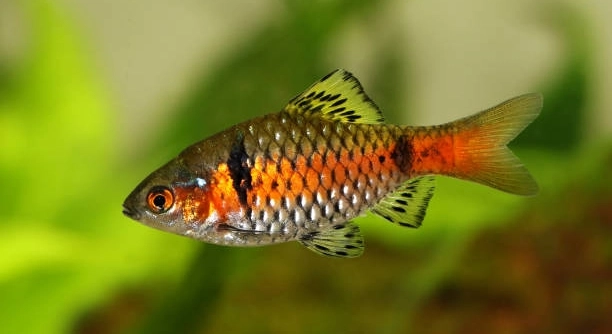
Many aquarium owners enjoy watching their rosy barbs swim gracefully. Sometimes, these colorful fish start pecking at the filter, which can be puzzling. This behavior might cause concern about the fish’s health or the tank environment.
Rosy barbs peck at filters mainly due to curiosity, boredom, or searching for food particles trapped in the filter. This behavior is natural but may also indicate stress or inadequate tank conditions that need attention.
Understanding why your rosy barb behaves this way helps improve its habitat. Knowing what triggers this pecking can protect your fish and keep your aquarium healthy and balanced.
Reasons Rosy Barbs Peck at the Filter
Rosy barbs often peck at the filter because they are naturally curious fish. In a new or changing tank environment, they explore everything, including the filter. Sometimes, food particles get trapped near the filter intake, and the fish try to eat them. Pecking can also happen if the tank is too small or lacks enough stimulation, leading to boredom. Stress from poor water quality or aggressive tank mates may cause similar behavior. It’s important to observe if your rosy barb is showing other signs of discomfort or illness. Regular tank maintenance and providing hiding spots can help reduce this pecking. Adding plants or decorations may also keep your fish entertained and less focused on the filter.
Sometimes, the filter surface provides a rough texture that fish find interesting to nip at. This can become a habit if not managed properly.
Addressing this behavior early helps prevent damage to the fish’s fins or scales. Understanding the tank’s needs and keeping water quality stable are key to healthier fish.
How to Reduce Filter Pecking
Providing a balanced diet and a larger tank space can lessen pecking behavior.
Improving your tank setup to reduce filter pecking starts with ensuring your rosy barbs have enough food and stimulation. Avoid overfeeding so food doesn’t accumulate near the filter. Clean the filter regularly to prevent leftover food and debris. Adding plants or decorations creates hiding spots and areas for exploration, reducing boredom. A larger tank gives your fish more space to swim freely, lowering stress levels. Monitor water quality closely and keep up with water changes to create a healthy environment. If tank mates are aggressive, consider separating them to reduce stress. Sometimes, attaching a protective guard or sponge around the filter intake can prevent pecking while allowing proper water flow. These small adjustments help your fish feel comfortable and secure, improving their behavior and health overall.
Impact of Filter Pecking on Rosy Barbs
Pecking at the filter can cause minor injuries to your rosy barb’s fins or scales. These small wounds might lead to infections if not treated or if water quality is poor. Monitoring your fish closely is important to catch any signs of damage early.
When a rosy barb repeatedly pecks at the filter, the stress can weaken its immune system. Injuries from sharp edges or rough filter parts can make the fish vulnerable to bacterial or fungal infections. If you notice torn fins, discoloration, or unusual behavior, act quickly to improve tank conditions and treat the fish if necessary. Keeping the water clean and stable helps the healing process and reduces the risk of illness. In some cases, reducing stressors like aggressive tank mates or overcrowding also lowers filter pecking and its negative effects.
The constant pecking can also wear down the fish’s natural protective slime coat. This layer is crucial for defending against diseases and parasites. Maintaining good water quality and minimizing stress encourages a healthier slime coat, which supports overall fish health and reduces infection chances.
Signs Your Rosy Barb Needs Attention
If your rosy barb pecks excessively, it might be stressed or uncomfortable. Look for signs like faded colors, clamped fins, or loss of appetite.
Excessive filter pecking is often a symptom rather than a cause. Stress indicators such as dull coloring, hiding, or unusual swimming patterns suggest something in the environment is wrong. Water parameters like ammonia, nitrite, or nitrate levels may be off, so regular testing is essential. Poor water quality stresses fish and weakens their defenses. Make sure your tank is the right size with proper filtration and enough space for all fish. Feeding a balanced diet and providing enrichment can improve your rosy barb’s mood and reduce unhealthy behaviors. If you notice illness signs, isolate the fish and seek advice on treatment quickly to prevent the problem from worsening.
Common Tank Conditions That Cause Pecking
Poor water quality is a major reason fish peck at the filter. High ammonia or nitrite levels stress fish, causing unusual behavior.
Overcrowding in the tank can also lead to boredom and aggression, increasing filter pecking as fish seek stimulation or space.
How to Test and Improve Water Quality
Regular water testing is essential to keep your tank healthy. Use test kits to check ammonia, nitrite, nitrate, and pH levels. Keep ammonia and nitrite at zero, and nitrate below 20 ppm. Frequent partial water changes help maintain good water conditions. Proper filtration and avoiding overfeeding also reduce waste buildup. If water parameters are off, increasing water changes and cleaning the tank and filter can restore balance. Stable water quality lowers stress, which helps stop pecking behavior and improves fish health overall.
Using Tank Decorations to Distract Your Fish
Adding plants, rocks, and hiding spots reduces boredom by giving rosy barbs places to explore and feel safe. This can lessen filter pecking.
FAQ
Why does my rosy barb keep pecking at the filter?
Pecking at the filter is usually caused by curiosity or boredom. Your fish might be exploring or searching for leftover food near the filter intake. It can also be a sign of stress from poor water quality, overcrowding, or an unstimulating environment. Observing other behavior and checking tank conditions can help identify the cause.
Is filter pecking harmful to my rosy barb?
Repeated pecking can damage fins and scales, leading to infections. The filter surface might be rough or sharp, causing small wounds. This behavior can also stress your fish, weakening its immune system. Keeping the tank clean and reducing stress can help prevent harm.
How can I stop my rosy barb from pecking the filter?
Make sure your fish has enough food and enrichment in the tank. Add plants or decorations to create hiding spots and distractions. Regularly clean the filter and maintain good water quality. Increasing tank size or reducing aggressive tank mates can also help.
Could poor water quality cause this behavior?
Yes, poor water quality is a common reason for stress-related behaviors like filter pecking. High ammonia, nitrite, or nitrate levels irritate fish, making them act out. Testing your water regularly and performing water changes is key to preventing this.
Does overcrowding make rosy barbs peck the filter?
Overcrowding can increase stress and boredom, leading to pecking. Rosy barbs need enough space to swim and explore. A crowded tank may also cause aggression, causing fish to act unusually. Make sure your tank size matches the number of fish you keep.
Can filter design affect pecking?
Yes, some filters have rough surfaces or strong suction that attract pecking. Adding a sponge or guard around the filter intake can reduce damage to fish while still allowing good water flow.
Is my rosy barb bored if it pecks the filter?
Boredom is a common cause. Fish need stimulation through plants, decorations, and interaction with other fish. A bare or small tank gives little to explore, so fish may focus on the filter out of curiosity or habit.
Should I be worried if my fish pecks the filter occasionally?
Occasional pecking is normal and not usually harmful. It becomes a concern if the behavior is constant or leads to injury. Keep monitoring your fish for other signs of illness or stress.
Can diet affect filter pecking?
Yes, if your fish is not getting enough food or the right nutrients, it may search for scraps near the filter. Feeding a balanced diet and avoiding overfeeding helps reduce filter pecking caused by hunger.
What signs show my rosy barb is injured from filter pecking?
Look for torn or frayed fins, missing scales, redness, or white patches. These signs may indicate infections or wounds from constant pecking. Early treatment and better tank care help healing.
How often should I clean the filter to reduce pecking?
Cleaning the filter every 2-4 weeks, depending on tank size and fish load, prevents food buildup that attracts pecking. Avoid over-cleaning to preserve beneficial bacteria, which keep the tank healthy.
Can stress from tank mates cause filter pecking?
Yes, aggressive or incompatible tank mates increase stress, leading to abnormal behaviors like filter pecking. Observe interactions and consider separating aggressive fish to reduce stress.
Will adding more rosy barbs help reduce filter pecking?
Sometimes adding more rosy barbs helps by increasing social interaction, but overcrowding can have the opposite effect. Maintain a proper stocking level and ensure the tank is large enough.
Is filter pecking a sign of illness?
It can be, especially if accompanied by other symptoms like lethargy, loss of appetite, or unusual swimming. Stress or discomfort from illness may cause repetitive behaviors such as pecking.
Can changing the filter type stop filter pecking?
Switching to a quieter, less intrusive filter or one with smoother surfaces can help. Ensure the new filter still provides adequate water flow and filtration to keep your tank healthy.
Are there specific tank decorations that help reduce pecking?
Live or artificial plants, caves, and driftwood provide hiding spots and mental stimulation. These reduce boredom and give your fish places to explore away from the filter.
What water parameters are ideal for rosy barbs?
Rosy barbs prefer temperatures between 64-72°F (18-22°C), pH 6.5-7.5, and low ammonia and nitrite levels (0 ppm). Keeping nitrate under 20 ppm helps reduce stress and supports overall health.
How do I know if my fish is stressed?
Signs include rapid breathing, hiding, loss of color, clamped fins, and changes in appetite or swimming patterns. Stress weakens fish and may cause filter pecking or other unusual behaviors.
Can tank lighting affect filter pecking?
Too much or too little light can stress fish. A proper light cycle with 8-12 hours of light daily supports natural behavior and reduces stress-related pecking.
Is it normal for fish to explore the filter?
Yes, exploration is natural. Occasional pecking is a way for fish to interact with their environment, but it should not be excessive or harmful.
What should I do if my fish injures itself on the filter?
Isolate the injured fish if possible, treat wounds with aquarium-safe medicines, and improve tank conditions. Keeping water clean and stable helps prevent infections.
Can stress from moving or new tank setups increase filter pecking?
Yes, changes in environment can stress fish, causing them to peck the filter more often. Give your fish time to adjust and keep water parameters steady during transitions.
Is filter pecking common in other fish species?
Many species show similar behavior when bored or stressed. Providing a good environment reduces this tendency across different fish types.
How can I tell if my fish is getting enough food?
Watch feeding times and your fish’s body condition. If they seem constantly hungry or thin, increase feeding slightly. Avoid overfeeding, which causes water quality issues.
Does water temperature influence filter pecking?
Extreme temperatures can stress fish. Keep water within the recommended range to support normal behavior and reduce pecking caused by discomfort.
When your rosy barb pecks at the filter, it can be confusing or worrying at first. This behavior is often a natural response to curiosity, boredom, or environmental stress. It is important to understand that pecking does not always mean something is seriously wrong, but it does point to areas in your tank setup or care routine that might need improvement. Keeping an eye on your fish and the tank conditions will help you catch any problems early before they become more serious. Simple changes in the tank environment, like adding plants or improving water quality, can make a big difference in your fish’s comfort and reduce unwanted behavior.
Maintaining good water quality is one of the most effective ways to keep your rosy barbs healthy and less likely to peck at the filter. Regular water testing, cleaning the tank, and performing partial water changes help create a stable environment. Fish are sensitive to poor water conditions, and even small increases in ammonia or nitrite can cause stress. Stress weakens their immune systems and makes them more likely to act out, including pecking at the filter. Ensuring your tank is the right size and not overcrowded also plays a key role in reducing stress. When your fish have enough space to swim and places to hide, they feel more secure and behave more naturally.
Finally, providing stimulation through decorations, plants, and proper tank mates can prevent boredom, which is another common cause of filter pecking. Rosy barbs are active fish that enjoy exploring their surroundings. A bare tank leaves them with little to do, making the filter an easy target for pecking. Adding a mix of live or artificial plants, rocks, and caves gives your fish areas to explore and hide. This helps keep them engaged and less likely to focus on the filter. Remember, every tank is different, so observe your fish’s behavior and make changes as needed to keep them happy and healthy over time.

Hello,
If you enjoy the content that we create, please consider saying a "Thank You!" by leaving a tip.
Every little bit helps us continue crafting quality advice that supports the health, happiness, and well-being of pets around the world, for pets of all shapes, sizes, and species.
We really appreciate the kindness and support that you show us!