
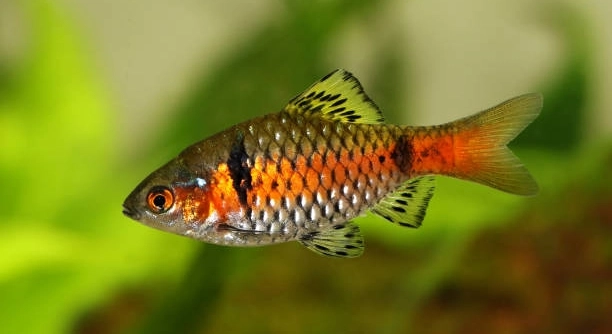
Is your rosy barb nudging gravel in its tank? This behavior can be puzzling for many aquarium owners who want to understand their fish better. Observing this action may reveal important details about your fish’s environment and health.
Rosy barbs nudge gravel primarily to search for food, explore their surroundings, or create a comfortable resting spot. This natural behavior helps them interact with their habitat, but it can also indicate issues like poor water quality or insufficient nutrition if done excessively.
Recognizing why your fish act this way helps improve their care and environment. Learning about these behaviors supports a healthier and happier aquarium for your rosy barbs.
Reasons Rosy Barbs Nudge Gravel
Rosy barbs often nudge gravel to search for food particles hidden beneath the substrate. This behavior is natural since these fish like to explore their environment closely. Gravel stirring can help them find leftover flakes, pellets, or small invertebrates. Sometimes, the fish move gravel to create a small resting area or hide eggs if breeding. However, frequent gravel nudging might indicate that the fish are hungry or that the tank environment is lacking stimulation. A clean tank with balanced feeding usually reduces this behavior. If gravel is disturbed too much, it can cloud the water and stress the fish. Observing the tank setup and feeding habits helps in understanding why your rosy barb acts this way.
Excessive gravel nudging could also be a sign of boredom or stress. Providing more plants or decorations can help reduce this.
Adjusting the tank environment and feeding routine can calm your rosy barb and prevent damage to the substrate. Keeping water quality high also encourages healthier behavior.
How Tank Conditions Affect Behavior
Tank conditions play a big role in how often rosy barbs nudge gravel. Poor water quality can make fish restless and increase digging behavior. Uneven substrate or too little hiding space may also cause them to stir the gravel more often. Providing a clean, well-planted tank with plenty of swimming space helps reduce unnecessary digging. It is important to check water parameters like ammonia, nitrite, and nitrate levels regularly. A stable environment with proper filtration supports calm and natural behavior. If water conditions are not ideal, fish may act more anxiously, leading to excessive gravel nudging or other stress signs. Keeping the tank stable improves overall fish health and reduces unwanted behaviors. Proper tank maintenance and a balanced setup are essential for your rosy barb’s wellbeing.
Feeding Habits and Gravel Nudging
Rosy barbs often nudge gravel while searching for food. This natural behavior helps them find small bits of uneaten flakes or pellets hidden under the substrate.
If your rosy barb is nudging gravel frequently, it may mean they are not getting enough food or the feeding routine needs adjustment. Feeding smaller amounts multiple times a day can prevent excessive digging. Offering a varied diet with flakes, pellets, and occasional live or frozen foods keeps them satisfied. Overfeeding can also cause leftover food to settle in the gravel, encouraging digging. Watching their feeding habits closely helps balance their needs and reduces gravel disturbance.
Using sinking pellets or feeding at different tank levels can minimize the need for gravel searching. Keeping the feeding consistent supports healthier behavior and less substrate disruption.
Tank Setup and Environment
A well-planted and structured tank reduces gravel nudging. Plants and decorations provide hiding spots and areas to explore, which distracts fish from digging too much.
Using smooth gravel or sand can also affect how much your rosy barb nudges the substrate. Some fish prefer finer substrates for digging, while rough or large gravel may discourage this behavior. Creating zones with plants, rocks, and open swimming areas gives your fish a more natural environment that meets their needs. Regularly cleaning the substrate prevents buildup of waste and uneaten food, which helps reduce digging. A balanced tank setup not only improves fish health but also keeps their behavior calm and natural.
Stress and Its Impact on Gravel Nudging
Stress can make rosy barbs nudge gravel more than usual. Changes in tank conditions, sudden noises, or aggressive tank mates may cause this behavior.
Providing a calm, stable environment with plenty of hiding spaces reduces stress. Avoid overcrowding and maintain consistent water parameters to keep your fish comfortable.
Signs to Watch For
Watch for other signs of stress like faded colors, hiding, or erratic swimming. These may show that gravel nudging is linked to discomfort or illness.
Addressing these issues quickly helps your rosy barbs return to normal behavior and stay healthy.
When to Consult a Specialist
If gravel nudging is extreme or paired with signs of illness, it’s wise to seek advice from a fish care expert. Early intervention can prevent serious problems.
FAQ
Why does my rosy barb keep nudging the gravel even after feeding?
Sometimes, rosy barbs continue nudging gravel after feeding because they are naturally curious and enjoy exploring their environment. They may also be searching for tiny leftover food particles missed during feeding. If this behavior persists excessively, it could indicate that the fish aren’t satisfied with their current diet or portion sizes. Adjusting feeding frequency or offering a more varied diet can help reduce this. Additionally, ensure the tank is clean and free of debris that might attract the fish’s attention.
Is it harmful if my rosy barb stirs up gravel frequently?
Frequent gravel stirring can cause the water to become cloudy, which might stress your fish and affect filtration efficiency. It can also disturb beneficial bacteria living in the substrate, impacting the tank’s nitrogen cycle. However, occasional nudging is normal behavior and usually harmless. If the gravel disturbance is constant, it’s worth evaluating the tank setup, feeding habits, and water quality to prevent any long-term negative effects.
Can poor water quality cause my rosy barb to dig in the gravel?
Yes, poor water quality often makes fish restless and can increase gravel digging. High levels of ammonia, nitrites, or nitrates can stress rosy barbs, prompting them to act unusually. Regular water testing and maintenance are essential to keep these parameters within safe limits. Proper filtration, timely water changes, and substrate cleaning help maintain a healthy environment that reduces stress-related behaviors like gravel nudging.
Will changing the substrate stop my rosy barb from nudging gravel?
Changing to a finer substrate like sand can reduce digging behavior, as some fish prefer softer materials. However, substrate alone may not eliminate gravel nudging entirely because it’s partly natural exploration and feeding behavior. Adding plants, hiding spots, and decorations can better distract your fish and reduce substrate stirring. Choosing a substrate that suits your fish’s habits while maintaining good tank hygiene offers the best results.
How often should I feed my rosy barb to prevent gravel nudging?
Feeding rosy barbs small amounts two to three times daily usually keeps them satisfied and reduces excessive gravel nudging. Overfeeding can cause leftover food to accumulate, encouraging digging, while underfeeding leads to searching behavior. Observe your fish during feeding to ensure they eat all the food quickly. Adjust the quantity and frequency based on their appetite and tank conditions to maintain balance.
Are there specific foods that help reduce gravel nudging in rosy barbs?
A varied diet including high-quality flakes, pellets, and occasional live or frozen foods like brine shrimp or bloodworms satisfies nutritional needs and reduces constant searching. Sinking pellets can help because they fall to the bottom, minimizing food scatter on the gravel. Avoid overfeeding and remove uneaten food promptly to prevent accumulation that encourages digging.
Can tank mates influence my rosy barb’s gravel nudging?
Yes, aggressive or overly active tank mates can stress rosy barbs, leading to increased gravel nudging as a coping behavior. Ensure tank mates are compatible in temperament and size to create a peaceful environment. Providing ample space and hiding spots reduces competition and stress, promoting calmer behavior.
Does breeding behavior cause rosy barbs to nudge gravel?
During breeding, rosy barbs may move gravel to prepare spawning sites or protect eggs. This behavior is natural and temporary. If you observe gravel nudging along with other breeding signs like chasing or color changes, it is likely related to reproduction. Providing appropriate conditions supports healthy breeding without excessive substrate disturbance.
How can I tell if my rosy barb’s gravel nudging is a sign of illness?
If gravel nudging is paired with symptoms like lethargy, loss of appetite, clamped fins, or unusual swimming patterns, it could indicate illness or parasites. In such cases, prompt water testing and consultation with an aquatic veterinarian or experienced fish keeper are necessary. Early diagnosis helps prevent worsening health issues.
What maintenance steps reduce gravel nudging behavior?
Regular water changes, substrate vacuuming, and tank cleaning remove excess waste and uneaten food, limiting the fish’s reason to dig. Monitoring water parameters and maintaining proper filtration ensures a stable environment. Adding live plants and decorations provides enrichment that distracts from gravel nudging. Balancing feeding and tank setup offers the best control over this behavior.
Rosy barbs nudging gravel is a common behavior that often reflects their natural instincts. They use this action to search for food, explore their surroundings, and sometimes prepare areas for resting or breeding. While this behavior is normal, paying attention to how often and why it happens can give important clues about your fish’s needs. If gravel nudging becomes excessive, it might point to issues like hunger, stress, or problems with the tank environment. Understanding these reasons helps in providing better care and creating a healthier home for your rosy barbs.
Keeping your tank clean and well-maintained is key to managing gravel nudging. Uneaten food and waste trapped in the substrate can encourage your fish to dig more, which can cloud the water and disrupt beneficial bacteria. Regular water changes, gravel vacuuming, and checking water quality keep the tank balanced and reduce the fish’s need to search for food in the gravel. Adding live plants and decorations also helps by giving your rosy barbs places to hide and explore, which lowers stress and boredom. Providing a varied and balanced diet ensures they get the nutrients they need without having to dig constantly.
Monitoring your rosy barbs closely will help you notice any changes in their behavior or health early on. If gravel nudging is paired with signs of stress or illness, it’s important to take action quickly. Making adjustments to feeding, tank conditions, or even consulting a fish care expert can improve your fish’s well-being. Remember that every fish is different, so observing your rosy barbs over time will give you the best understanding of what they need. A calm and stable environment will support their natural behavior and keep them happy in your aquarium.

Hello,
If you enjoy the content that we create, please consider saying a "Thank You!" by leaving a tip.
Every little bit helps us continue crafting quality advice that supports the health, happiness, and well-being of pets around the world, for pets of all shapes, sizes, and species.
We really appreciate the kindness and support that you show us!