
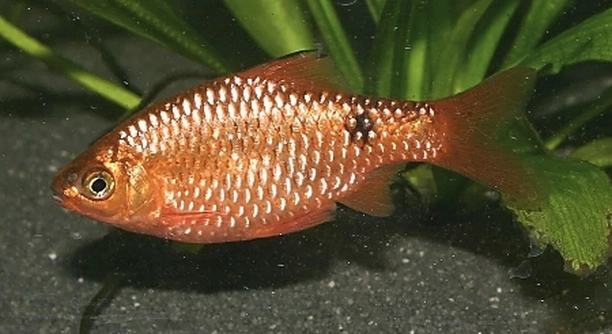
Are your rosy barbs starting to lose their bright color? This can be concerning for any fish keeper who enjoys vibrant, healthy-looking fish in their aquarium. Changes in color may signal underlying issues that need attention.
Rosy barbs lose color primarily due to stress, poor water quality, inadequate diet, or illness. Addressing these factors promptly helps restore their natural coloration and supports their overall health and well-being in the aquarium environment.
Understanding these causes and solutions can help you maintain your fish’s vivid appearance and prevent future color fading. The following information will guide you through simple yet effective fixes.
Poor Water Quality and Its Impact on Color
Water quality is one of the most important factors affecting your rosy barb’s color. When the water is dirty or contains high levels of toxins like ammonia or nitrites, fish become stressed and their colors start to fade. Regular water changes are essential to keep the environment clean. Testing water parameters such as pH, ammonia, nitrites, and nitrates helps ensure safe conditions. If these levels are off, the fish’s immune system weakens, making it harder to maintain bright coloration. Also, water temperature plays a role; too cold or too hot water can affect their metabolism and pigment expression. Maintaining stable, clean water conditions supports your fish’s health and keeps their colors vibrant. Proper filtration and avoiding overcrowding can also reduce stress. Overall, monitoring and improving water quality is a simple but effective step to bring back your rosy barbs’ beautiful colors.
Testing water quality regularly helps you catch problems early and prevent long-term damage to your fish’s appearance.
Water conditions directly affect the ability of rosy barbs to display their natural colors. Clean, stable water encourages strong pigment expression and reduces stress, which can dull colors. A balanced aquarium environment promotes overall health and vitality. Avoiding sudden changes and maintaining consistent water parameters will help your rosy barbs keep their bright hues over time.
Diet and Nutrition Effects on Color
Feeding your rosy barbs a balanced diet rich in nutrients influences their color. Foods high in carotenoids, such as shrimp flakes, spirulina, and certain vegetables, enhance red and orange pigments naturally. Poor diet or feeding only basic flakes without variety can lead to duller colors and lower energy levels. Including live or frozen foods occasionally adds protein and vitamins needed for healthy growth. A varied diet supports immune function and pigment retention, which improves the fish’s appearance over time. Avoid overfeeding, which can cause water quality issues and stress. A nutrient-rich feeding plan is a key factor in restoring and maintaining your rosy barb’s bright color and overall health. Consistency and quality in feeding habits will produce the best results.
Providing a varied diet helps support vibrant coloration and promotes long-term well-being.
Balanced nutrition with adequate pigments is essential for rosy barbs to show their true colors. Feeding different types of food prevents nutritional deficiencies and helps your fish look their best. Proper feeding practices work together with good water quality to keep your fish healthy and colorful.
Stress and Its Role in Color Loss
Stress is a common cause of color fading in rosy barbs. Factors like sudden changes in water temperature, overcrowding, or aggressive tank mates can increase stress levels. Reducing stress is essential for restoring their natural colors.
Chronic stress weakens the immune system of rosy barbs, making them more susceptible to diseases. When stressed, their bodies divert energy away from maintaining bright pigmentation to survival functions. Environmental stability, such as keeping water temperature steady and providing plenty of hiding spots, helps reduce stress. Avoid placing aggressive fish with rosy barbs, as bullying can cause persistent stress. Proper tank size and social grouping also play roles in minimizing tension among fish. Addressing these elements promotes calm behavior and supports color recovery.
Maintaining a peaceful and stable aquarium environment is key to reducing stress-related color loss. Small changes like improving tank conditions and choosing compatible tank mates can make a noticeable difference in your fish’s vibrancy and health.
Illness and Parasites Affecting Color
Illness and parasites can cause rosy barbs to lose their bright coloration quickly. Symptoms may include lethargy, spots, or unusual behavior alongside fading color. Identifying and treating infections early is crucial.
Common diseases such as ich, fungal infections, or bacterial illnesses weaken fish and dull their appearance. Parasites often irritate the skin and scales, disrupting pigment cells. Quarantining new fish before adding them to the main tank reduces the risk of spreading infections. Maintaining clean water and providing a nutritious diet also support the immune system. Treatments like medicated baths or antibiotics can be necessary but should be used carefully following guidelines. Monitoring your fish daily allows you to catch health problems before they affect their color permanently.
Addressing illness promptly can restore your rosy barb’s color and prevent more serious health issues. Prevention and good tank management are the best defenses against disease-related fading.
Lighting Conditions and Color Vibrancy
Insufficient or poor-quality lighting can cause rosy barbs to lose their vibrant colors. Fish rely on proper light exposure to maintain healthy pigmentation.
Too much direct light or very dim lighting can stress fish or cause fading. Using a full-spectrum aquarium light on a regular schedule helps support natural color.
Tank Environment and Decorations
The environment inside the tank affects how your rosy barbs display their colors. Natural plants and subdued backgrounds help reduce stress and enhance their appearance.
Bright, harsh backgrounds or bare tanks can make fish feel exposed and stressed, dulling their colors. Adding plants, rocks, or hiding spots creates a more comfortable setting that encourages healthy coloration.
Age and Natural Color Changes
As rosy barbs grow older, their colors may naturally fade. This is a normal process and does not always indicate health problems.
You can still support their color with good care, but some dulling over time is expected as the fish ages.
FAQ
Why is my rosy barb’s color fading even though the water looks clean?
Water may look clear but still have invisible toxins like ammonia or nitrites harming your fish. Testing water regularly is essential because these chemicals can build up unnoticed. Stress from sudden temperature changes or improper pH can also dull colors despite clear water.
How often should I change the water to maintain my rosy barb’s color?
A weekly water change of 20-30% is usually recommended to keep the environment healthy. Frequent partial changes help remove waste and toxins that affect fish color. Avoid full water changes as they can shock your fish and cause stress.
Can adding live plants help improve my rosy barb’s color?
Yes, live plants improve water quality by absorbing nitrates and provide hiding spots, reducing stress. This creates a more natural environment where fish feel secure, which supports brighter coloration.
What foods are best to enhance rosy barb coloration?
Foods rich in carotenoids like shrimp flakes, spirulina, and certain vegetables boost red and orange hues. Including live or frozen foods adds protein and vitamins, supporting pigment development and overall health.
Is it normal for rosy barbs to lose color during breeding?
Yes, some rosy barbs lose color temporarily during breeding due to hormonal changes and energy use. Their colors usually return once breeding is over and stress decreases.
How can I reduce stress for my rosy barbs?
Keep the tank environment stable with consistent temperature and water parameters. Avoid overcrowding and aggressive tank mates. Provide hiding places and maintain a calm atmosphere to lower stress levels.
Can illness cause rosy barbs to lose their color?
Yes, diseases and parasites weaken fish and dull their colors. Watch for additional signs like lethargy or spots. Early diagnosis and treatment improve chances of full recovery and color return.
Does tank size affect the color of rosy barbs?
A tank that is too small causes stress and poor water quality, both of which lead to faded color. Providing enough space for swimming and socializing promotes healthier, more vibrant fish.
Will changing the lighting schedule help restore color?
Yes, using a full-spectrum light for about 8-10 hours daily helps maintain pigment. Avoid excessive or too dim lighting, as both can negatively impact fish coloration and behavior.
Can rosier barbs regain lost color?
If fading is caused by stress, poor diet, or water quality, their colors can improve once the conditions are fixed. However, color lost due to age or severe illness may not fully return.
Should I quarantine new fish to protect my rosy barbs’ color?
Quarantining new fish for at least two weeks prevents spreading diseases that cause color loss. It’s a good practice to keep your existing fish healthy and vibrant.
Does water temperature directly affect rosy barb coloration?
Yes, temperatures outside the ideal range (68-77°F or 20-25°C) can stress fish and reduce pigment intensity. Stable, appropriate temperature supports bright coloration and overall health.
Can stress from tank mates affect rosy barb color?
Aggressive or overly active tank mates cause stress and hiding behavior, which leads to faded colors. Choosing peaceful companions and ensuring enough space helps maintain vibrant fish.
Is color fading a sign of poor health in rosy barbs?
Often, yes. While some color change is natural, persistent dullness can indicate stress, poor diet, illness, or environmental issues. Monitoring other behaviors helps determine if health is at risk.
How does overcrowding impact rosy barb coloration?
Too many fish increase waste, reduce oxygen, and create competition for resources. This leads to stress and weaker immune systems, causing colors to fade. Keeping an appropriate number of fish is essential for vibrant colors.
What role does pH play in rosy barb color?
Rosy barbs thrive in a pH range of 6.5 to 7.5. Values outside this range stress fish and can dull their coloration. Regular pH testing and adjustments maintain a healthy environment for bright colors.
Can medication cause temporary color loss?
Certain medications may cause temporary fading as a side effect. Always follow instructions and monitor your fish closely during treatment. Colors typically return after recovery and water stabilization.
Is it better to keep rosy barbs in groups for color health?
Yes, rosy barbs are social fish and feel safer in groups of at least five. Group living reduces stress and encourages natural behavior, helping maintain vibrant colors.
How long does it take for rosy barbs to regain color after fixing issues?
Improvement can be seen within a few days to weeks depending on the cause and how quickly conditions improve. Consistent care and patience are key to restoring color fully.
Final Thoughts
Maintaining the bright color of rosy barbs requires consistent attention to several key factors. Water quality stands out as one of the most important elements. Even if the water appears clear, testing regularly for toxins like ammonia and nitrites is essential. Clean, stable water helps reduce stress and supports healthy pigmentation. Along with water quality, proper diet plays a critical role. Feeding foods rich in natural pigments and providing a balanced variety of nutrients helps your fish display their vibrant colors. Overfeeding or poor nutrition can lead to dulling, so portion control and food quality matter.
Stress is another major factor that impacts rosy barb coloration. Stress can come from many sources, including aggressive tank mates, sudden changes in water temperature, or overcrowding. Creating a calm, stable environment with plenty of hiding spaces and compatible fish lowers stress levels. Stress reduces immune function and diverts energy away from maintaining color, so managing these conditions is necessary for your fish to look their best. Additionally, lighting and tank setup contribute to their appearance. Proper lighting helps pigment expression, while natural decorations and plants make the fish feel secure and comfortable.
It is normal for rosy barbs to lose some color as they age or during certain life stages, such as breeding. However, persistent or rapid color loss often signals issues that need to be addressed. Illness and parasites are also common causes of fading and require prompt treatment. Quarantining new fish and maintaining good tank hygiene help prevent health problems. Overall, restoring and keeping your rosy barbs’ colors bright involves a combination of good water care, balanced nutrition, stress management, and a suitable environment. Paying attention to these factors will ensure your fish remain healthy and colorful for a long time.

Hello,
If you enjoy the content that we create, please consider saying a "Thank You!" by leaving a tip.
Every little bit helps us continue crafting quality advice that supports the health, happiness, and well-being of pets around the world, for pets of all shapes, sizes, and species.
We really appreciate the kindness and support that you show us!