
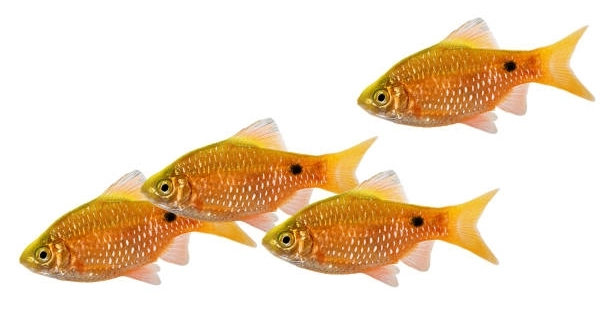
Is your rosy barb swimming past food like it isn’t even there, leaving you unsure of what’s going wrong in your tank?
The most common reason your rosy barb is ignoring food is due to stress, illness, or poor water conditions. These factors can affect appetite and behavior, making it essential to monitor your fish’s environment and health closely.
Several small changes in their surroundings can lead to noticeable feeding issues, but understanding these cues can help you respond the right way.
Common Reasons Your Rosy Barb Won’t Eat
Rosy barbs may ignore food for several reasons, and it’s often tied to stress or a sudden change in their environment. Moving to a new tank, fluctuating temperatures, or aggressive tank mates can all make your fish feel uneasy. When stressed, fish tend to hide or become less active, which leads to a loss of appetite. Poor water quality is another common factor—high ammonia, nitrite, or nitrate levels can make fish sick. If the tank hasn’t been cleaned recently or the filter isn’t working well, this could be the cause. Illness is also a possibility. Rosy barbs may suffer from internal parasites or infections that make eating painful or uncomfortable. Lastly, if the food itself is old, spoiled, or unfamiliar, they may reject it altogether. Paying attention to these details can help you pinpoint the exact reason and make the necessary changes quickly.
Watch for clamped fins, cloudy eyes, or rapid breathing—these are signs something is wrong.
If your rosy barb is healthy but still ignoring food, try changing the type or form of what you’re offering. Sometimes fish simply get bored with pellets or flakes and prefer live or frozen options like bloodworms or brine shrimp. Try offering small amounts and watch closely to see how they respond. Feeding at the same time daily also helps set a routine. If your fish usually eats in groups, make sure the others aren’t eating everything first. When trying new foods, remove leftovers within ten minutes to keep the water clean. A varied diet with fresh, properly stored food is best. It’s also important to match the food size to their mouth, as anything too large may be ignored. If nothing changes after adjusting their meals, it’s best to test the water and rule out health problems with a closer inspection or consultation with a vet.
Fixing Tank Conditions
Clean water and a stable tank environment are essential for healthy feeding habits in rosy barbs.
Start by checking your water parameters—ammonia and nitrite should be at zero, and nitrate under 40 ppm. Use a reliable testing kit weekly. If the water quality is poor, do a partial water change right away. Replace 25–30% of the water, using dechlorinated and temperature-matched water to avoid shocking the fish. Make sure your filter is running smoothly and replace filter media as recommended. Temperature should stay between 64°F and 72°F for rosy barbs. Drastic shifts outside this range can affect their metabolism and cause stress. Avoid overfeeding, as it leads to waste and cloudy water. Keep the tank peaceful—no overcrowding or aggressive species. Provide hiding spots like plants or caves to help them feel secure. Also, turn tank lights off at night to mimic a natural day-night cycle. With the right care, your rosy barb can feel safe enough to eat again.
Feeding Tips That Actually Work
Offer food at the same time every day to create consistency. Start with small portions and remove anything uneaten after ten minutes. This keeps the tank clean and encourages your fish to eat promptly.
Try using a mix of foods to stimulate appetite—alternate between flakes, pellets, frozen, and live options. Rosy barbs tend to respond better to varied textures and scents. Thaw frozen food before feeding to avoid temperature shock. Cut up any large food pieces so they’re easy to eat. Don’t feed them leftovers from previous meals, and store all food in a dry, cool place. If your fish usually eats in a group, watch closely to see if one fish is dominating the feeding. You may need to separate them during feeding time to make sure each one gets enough.
If they continue ignoring food, consider a fasting day to reset their appetite. It’s safe and sometimes effective. Make sure to clean the tank thoroughly before offering food again. Reduce noise and foot traffic around the tank to create a calmer environment. Stick to feeding only once or twice daily to avoid overwhelming them. Also, turn off the filter briefly during feeding if it’s too strong, as a strong current can make it harder for them to catch food. Consistency, clean water, and the right food types all make a difference.
When to Worry About Illness
If your rosy barb hasn’t eaten for more than two days and shows other symptoms like clamped fins or lethargy, illness might be the cause. Watch closely for white spots, bloating, or changes in swimming behavior.
Internal parasites or bacterial infections can stop them from eating. You might notice weight loss or long, stringy waste. If symptoms worsen, isolate the fish and consider a vet visit or appropriate treatment. Acting early gives them the best chance of recovery.
Importance of Observing Behavior
Keep an eye on how your rosy barb acts throughout the day. If it stays in one spot, hides all the time, or looks like it’s gasping at the surface, that means something is off. Healthy rosy barbs are active, curious, and responsive. Behavior can often tell you more than physical signs, especially early on. Make note of any changes, even small ones. A sudden loss of appetite combined with odd swimming could mean it’s time to test water levels or treat for illness. Daily observation helps catch problems early and prevent bigger issues later.
What Not to Do
Avoid overfeeding to tempt them—this just pollutes the tank. Don’t keep changing foods too quickly either. It adds stress.
FAQ
Why is my rosy barb hiding and not eating?
Hiding and skipping meals usually means your rosy barb is stressed or unwell. Stress can come from poor water quality, sudden tank changes, or aggressive tank mates. Illness can also cause this behavior, especially if paired with dull colors or clamped fins. Test the water, check for other symptoms, and observe tank dynamics. Sometimes it’s environmental, other times it’s health-related. Giving them a calm space and improving water conditions can help them feel secure enough to come out and eat.
Can water temperature affect appetite?
Yes, water temperature affects how your rosy barb digests food. If the tank is too cold, their metabolism slows down and they stop eating. If it’s too warm, oxygen levels drop, which can cause stress and reduce appetite. Keep their water between 64°F and 72°F for ideal feeding behavior. Sudden changes in temperature also trigger stress, so always adjust gradually. Use a reliable heater and thermometer to avoid spikes and drops, and check both regularly.
Is it normal for new rosy barbs to not eat right away?
Yes, it’s common. New fish often need a day or two to adjust. They may be scared or overwhelmed by their new surroundings, unfamiliar tank mates, or different water parameters. During this period, avoid tapping on the glass or making loud movements. Offer small amounts of easy-to-eat food once or twice daily. After they settle in, their appetite usually returns. If they’re still not eating after three days, it’s time to review water quality and potential stress sources.
What should I feed my rosy barb to encourage eating?
Rosy barbs enjoy a variety of foods. Start with high-quality flakes or pellets, then try frozen or live foods like brine shrimp, daphnia, or bloodworms. Sometimes they ignore one type but eagerly eat another. Thaw frozen foods first and cut larger items into small bits. Try soaking dry food briefly to soften it. Mix up their meals a few times a week to keep their interest. Keep portions small to avoid leftovers and dirty water. A diverse diet supports health and keeps feeding time more engaging.
Can overfeeding cause them to stop eating?
Yes, overfeeding leads to poor water quality and even digestive issues. If they’re constantly full, they may ignore food altogether. Excess food breaks down in the tank, raising ammonia levels and stressing the fish. Uneaten food also fuels algae growth. Stick to small portions, no more than they can eat in two minutes. Skip feeding once a week to give their digestive system a break. If they’ve been overfed recently, fast them for a day and clean the tank before offering food again.
How long can a rosy barb go without food?
A healthy adult rosy barb can go up to a week without food, though it’s not ideal. They shouldn’t skip meals regularly, but short fasts can be safe. If you’re going away, use an automatic feeder or ask someone to feed them every other day. Avoid leaving vacation blocks in the tank—these often dirty the water. Young or sick fish shouldn’t go more than a day or two without food. Always plan ahead if you’ll be away for more than a couple of days.
Should I isolate a rosy barb that isn’t eating?
Only isolate them if they show signs of illness or are being bullied. A separate tank helps you monitor behavior, prevent the spread of disease, and make feeding easier. Set up the isolation tank with clean, conditioned water, a heater, and some hiding spots. Don’t move them just because they miss one meal. Watch them for a day or two first. If you do isolate, keep conditions similar to the main tank to reduce stress and make it easier for them to settle in.
Final Thoughts
Feeding issues in rosy barbs can feel frustrating, especially when you’re doing your best to care for them. But in most cases, there is a clear reason behind the behavior. Stress, illness, and water quality problems are the most common causes. Once you begin checking the basics—like water temperature, ammonia levels, and tankmates—you often find small issues that are easy to fix. Taking a slow and steady approach helps. Give your fish time to adjust, avoid changing too many things at once, and watch for signs that their appetite is returning. A peaceful environment, consistent feeding times, and a clean tank go a long way in helping your rosy barb feel secure enough to eat again.
It’s also helpful to keep track of their behavior daily. Even small changes in how they swim, where they rest, or how they respond to food can be early signs of a bigger issue. Having a routine makes it easier to spot when something seems off. Feeding your fish is more than just dropping in flakes—it’s about creating the right environment so they feel safe and healthy enough to eat. Try rotating food types a few times each week, and make sure their diet is well-balanced. Overfeeding is a common mistake, so keeping portion sizes small and removing uneaten food can prevent future problems. If they do skip a meal once in a while, it’s usually not a cause for concern.
Sometimes, even with the right care, your rosy barb may still ignore food for a short period. If that happens, don’t panic. Stay patient, check your setup, and take simple steps to improve their comfort. A clean, stable tank and gentle attention to their needs are often all it takes to bring back their appetite. If you’re ever unsure, reaching out to a vet who understands fish health or a trusted aquarium specialist can give you peace of mind. With time and observation, your rosy barb can return to healthy eating habits and continue to thrive in your care. Keeping things calm, consistent, and clean is often the best approach.

Hello,
If you enjoy the content that we create, please consider saying a "Thank You!" by leaving a tip.
Every little bit helps us continue crafting quality advice that supports the health, happiness, and well-being of pets around the world, for pets of all shapes, sizes, and species.
We really appreciate the kindness and support that you show us!