
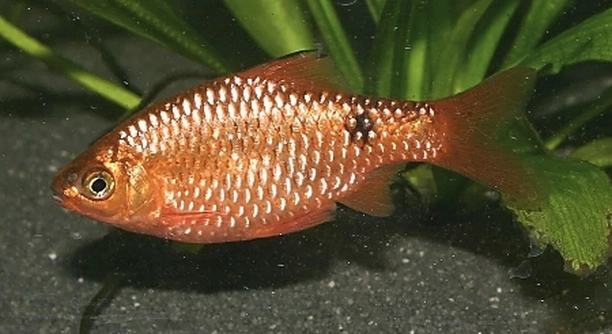
Is your Rosy Barb spending a lot of time hovering under a leaf in your aquarium? This behavior can be common and often signals something important about your fish’s environment or health. Understanding the cause helps maintain a healthy tank.
Rosy Barbs often hover under leaves to seek shelter, reduce stress, or avoid bright light. It can also indicate water quality issues or the need for more hiding spots, as these fish prefer calm, shaded areas to feel secure in their habitat.
Knowing why your Rosy Barb chooses this spot can improve its well-being and your aquarium’s overall balance. This article explains common reasons and offers practical solutions for happier fish.
Reasons Your Rosy Barb Hovers Under a Leaf
Rosy Barbs often hover under leaves to find shelter from bright lights or to feel safer in their environment. In the wild, they tend to stay near plants and shaded areas to avoid predators. In your aquarium, the same instinct applies. If the tank lighting is too strong, the fish may seek shade under leaves. Stress can also cause this behavior, whether from aggressive tank mates or sudden changes in water conditions. Another reason can be poor water quality. If ammonia or nitrate levels rise, the fish may try to escape uncomfortable conditions by staying near plants. Additionally, hovering under leaves might be a way to rest or conserve energy, especially if the current in the tank is strong. Finally, lack of hiding spots might lead your Rosy Barb to cling to the few available shaded areas for comfort and security.
This behavior is usually a sign the fish is adapting to its environment or facing mild discomfort.
Observing your tank conditions carefully can help you identify if your Rosy Barb’s behavior indicates a problem or natural preference. Adjust lighting, improve water quality, and provide more plants to support your fish’s well-being.
Improving Tank Conditions for Rosy Barbs
Proper tank conditions are essential for your Rosy Barb’s health and comfort.
Maintaining clean water, moderate lighting, and plenty of plants can encourage more natural behavior. Rosy Barbs thrive in slightly shaded tanks with stable water parameters. Regular water changes reduce toxins that might stress your fish. Plants not only offer shade but also create hiding spaces that reduce anxiety. Keep an eye on tank mates to avoid aggression, as stress can cause your fish to hide more often. Monitor temperature and pH levels to stay within suitable ranges for Rosy Barbs. Making these changes can reduce hovering under leaves and promote more active swimming and social behavior.
Keeping your aquarium balanced is key. Regularly test water quality and provide a calm environment. Introducing floating plants or broad-leafed species adds shade naturally, helping your fish feel secure. Avoid sudden changes in water parameters and keep feeding consistent. A healthy Rosy Barb will explore the tank more freely and spend less time hiding. By addressing these factors, you ensure your fish remain comfortable and display their vibrant colors and lively personality.
Common Signs of Stress in Rosy Barbs
Stress in Rosy Barbs often shows through changes in behavior and appearance. They may hide more, lose color, or stop eating. Excessive hiding under leaves is a key sign that something in the tank may be bothering them.
When Rosy Barbs are stressed, they can become less active and avoid swimming in open areas. Stress can weaken their immune system, making them prone to illness. Causes include poor water quality, aggressive tank mates, or sudden changes in temperature or pH. Stress may also cause erratic swimming or gasping at the water surface. Watching these signs closely helps identify and correct problems early to protect your fish’s health.
Stress can sometimes be subtle but persistent. Providing a calm environment with stable water parameters, plenty of hiding spots, and peaceful companions will help your Rosy Barbs feel secure and reduce the need to hide under leaves.
How to Provide Proper Shelter in Your Aquarium
Providing proper shelter is crucial for Rosy Barbs to feel safe and reduce stress. Plants with broad leaves offer natural hiding spots and shade, replicating their natural habitat. Floating plants also help filter light and create shaded areas.
In addition to live plants, decorations like caves or smooth rocks can give your fish more choices for refuge. Avoid overcrowding the tank to prevent territorial disputes, which increase stress. Ensure the shelter spots are easily accessible but not so cramped that the fish feel trapped. Creating a balance between open swimming space and shaded retreats promotes natural behavior and overall well-being in your aquarium.
Lighting and Its Impact on Rosy Barbs
Too much light can stress Rosy Barbs, causing them to hide under leaves or plants. They prefer moderate lighting that mimics natural conditions.
Adjusting the lighting to reduce brightness helps your fish feel more comfortable and less exposed in the tank environment.
Monitoring Water Quality
Clean water is essential for Rosy Barbs’ health and comfort. Regularly test for ammonia, nitrites, and nitrates to keep levels safe. Poor water quality often leads to stress and hiding behavior. Maintaining stable parameters encourages active swimming and vibrant colors in your fish.
Feeding Habits to Watch
Changes in feeding behavior can signal discomfort or stress. Rosy Barbs may eat less when they feel unsafe or unwell.
Monitoring their appetite helps catch potential issues early, allowing for timely care adjustments.
FAQ
Why is my Rosy Barb hiding under a leaf so much?
Your Rosy Barb is likely seeking shelter due to stress, bright lighting, or a need for security. Hiding under leaves gives them a shaded, safe spot that feels like a natural refuge. It can also be a response to water quality issues or aggressive tank mates. Providing more plants and improving tank conditions can reduce this behavior.
Is it normal for Rosy Barbs to hover under leaves sometimes?
Yes, occasional hovering under leaves is normal behavior. Rosy Barbs use shaded areas to rest or escape strong currents. If they only spend some time under leaves but are active otherwise, it’s usually not a concern. Watch for changes in appetite or color to ensure they are healthy.
Can poor water quality cause my Rosy Barb to hide?
Absolutely. Poor water quality with high ammonia, nitrites, or nitrates can stress fish, making them seek shelter. Regular testing and water changes help keep parameters stable. Clean water reduces stress and encourages natural, active behavior in your Rosy Barb.
How much lighting is too much for Rosy Barbs?
Rosy Barbs do best under moderate lighting. Too bright or prolonged light can cause stress and make them hide. Use a timer to provide about 8-10 hours of light daily and include plants or decorations to create shaded areas. This balance helps them feel secure.
What are signs my Rosy Barb is stressed?
Signs include hiding excessively, faded colors, loss of appetite, erratic swimming, and gasping at the surface. Stress weakens their immune system and can lead to illness. Addressing tank conditions, reducing aggression, and improving water quality can relieve stress.
Can tank mates affect my Rosy Barb’s behavior?
Yes, aggressive or territorial fish can cause your Rosy Barb to hide more. They prefer peaceful companions and can become stressed by bullying. Choose compatible species and ensure the tank is spacious enough for all fish to establish their territories comfortably.
How do I provide good shelter for Rosy Barbs?
Use live plants with broad leaves, floating plants, and decorations like caves or smooth rocks. These create hiding spots and shaded areas. Avoid overcrowding the tank and maintain a balance between open swimming space and shelters. Proper shelter reduces stress and encourages natural behavior.
Should I be worried if my Rosy Barb loses color while hiding?
Color loss can be a sign of stress or poor health. If your fish loses color while hiding, check water quality, lighting, and tank mates. Improving these factors usually helps restore vibrant colors. If the problem persists, consult a specialist or consider possible illness.
Can feeding affect my Rosy Barb’s tendency to hide?
Yes, if your Rosy Barb is stressed or unhealthy, it may eat less and hide more. Proper feeding with a balanced diet supports their immune system and overall well-being. Avoid overfeeding and provide varied food to keep them healthy and active.
How often should I test the water to prevent hiding behavior?
Testing the water weekly for ammonia, nitrites, nitrates, pH, and temperature is ideal. Frequent checks help catch issues early before they stress your fish. Keeping the water clean and stable reduces hiding and supports your Rosy Barb’s comfort and health.
What is the best temperature range for Rosy Barbs?
Rosy Barbs thrive between 64°F and 72°F (18°C–22°C). Temperatures outside this range can stress them and cause unusual behavior, including hiding. Use an aquarium heater or cooler to maintain a steady temperature within this range.
Can sudden changes in the tank cause my Rosy Barb to hide?
Sudden changes like water parameter shifts, new tank mates, or rearranged decorations can stress Rosy Barbs. They respond by seeking shelter. Introduce changes slowly, monitor their behavior, and maintain stable conditions to keep them calm and comfortable.
Is it harmful if my Rosy Barb spends all day under a leaf?
If your fish hides all day and shows other signs like loss of appetite or faded colors, it indicates stress or illness. Long-term hiding can weaken them. Investigate tank conditions, water quality, and possible health problems. Taking action early is important for their well-being.
How can I encourage my Rosy Barb to swim more freely?
Improve water quality, reduce stressors, provide ample hiding spots, and keep tank mates peaceful. Adjust lighting to moderate levels and ensure temperature and pH are stable. A comfortable environment encourages your Rosy Barb to explore and swim actively.
Can live plants improve my Rosy Barb’s health?
Yes, live plants improve water quality by absorbing toxins and providing oxygen. They also create natural hiding spots and shade, reducing stress. Healthy plants make the tank environment closer to their natural habitat, promoting better behavior and health in Rosy Barbs.
What should I do if my Rosy Barb refuses to leave under the leaves?
Check for water quality issues, tank mate aggression, or environmental stress. Test and adjust water parameters, add more hiding spots, and ensure peaceful companions. If the fish remains withdrawn, consult a veterinarian experienced with aquarium fish to rule out illness.
Rosy Barbs are lively and colorful fish that add charm to any aquarium. When they spend a lot of time hovering under leaves, it is usually a sign that they are trying to find comfort or protect themselves from stress. This behavior can be caused by several factors such as bright lighting, water quality issues, aggressive tank mates, or a lack of proper shelter. Understanding these reasons helps in creating a better environment for your fish. Addressing these conditions early is important because it improves their health and encourages natural, active behavior.
Creating a balanced aquarium setup is key to reducing your Rosy Barb’s need to hide. Moderate lighting and plenty of plants or decorations offer the shaded areas they prefer. Regular water testing and maintenance keep harmful toxins low, which reduces stress. Peaceful tank mates help your fish feel safe, as aggressive fish can cause hiding and fear. Watching your Rosy Barb closely for signs like loss of appetite or faded colors can help catch problems before they worsen. Small changes in the tank environment can make a big difference in how comfortable and happy your fish feels.
Maintaining a healthy aquarium is a continuous effort. By keeping the water clean, the lighting balanced, and providing enough hiding spots, you support your Rosy Barb’s well-being and natural instincts. Remember that some hiding behavior is normal, but if it becomes excessive, it’s a signal to review your tank conditions. Providing a calm, stable habitat will encourage your fish to swim freely and display their best colors. Taking the time to understand and meet their needs leads to a more enjoyable experience for both you and your Rosy Barb.

Hello,
If you enjoy the content that we create, please consider saying a "Thank You!" by leaving a tip.
Every little bit helps us continue crafting quality advice that supports the health, happiness, and well-being of pets around the world, for pets of all shapes, sizes, and species.
We really appreciate the kindness and support that you show us!