
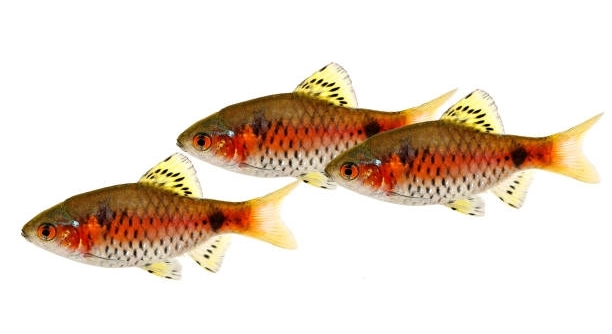
Many Rosy Barb owners notice their fish spending time near the filter, which can be puzzling. This behavior often raises concerns about the fish’s health or the tank’s condition. Understanding why this happens helps keep the aquarium environment balanced.
Rosy Barbs often stay near the filter due to higher oxygen levels and better water circulation. The area around the filter provides a comfortable environment with more movement, which suits their active nature. Sometimes, this behavior indicates stress or water quality issues.
Knowing the reasons behind this behavior can improve your fish care routine and maintain a healthier tank environment for your Rosy Barbs.
Reasons Rosy Barbs Stay by the Filter
Rosy Barbs often gather near the filter because it offers higher oxygen levels. The filter’s movement helps circulate water, creating areas rich in oxygen that attract these fish. Since Rosy Barbs are active swimmers, they enjoy swimming in currents. The filter also helps remove waste and debris, so the water near it tends to be cleaner. If your Rosy Barb spends most of its time here, it might be seeking comfort or relief from poor water quality elsewhere in the tank. Sometimes, overcrowding or a lack of hiding spots can make the filter area feel like a safer space. Observing other behaviors alongside this can help determine if there is an underlying problem with tank conditions or fish health. Regular water tests and tank maintenance can improve your fish’s overall comfort and reduce its need to stay near the filter.
Fish gather near the filter mainly for oxygen and comfort. It can also point to tank conditions needing attention.
Watching your Rosy Barb closely helps you spot changes in behavior early. Poor water quality or lack of space may cause stress. Overcrowded tanks lead to competition and may push fish to stay by the filter. Sometimes, the filter’s flow mimics their natural environment, making it attractive. Adding plants or decorations offers hiding spots to reduce stress. Maintaining regular water changes keeps the tank clean and oxygen-rich. If the fish continue to cling to the filter, check for illness signs such as lethargy or discoloration. Keeping your aquarium balanced ensures your Rosy Barb enjoys a healthier, more natural environment.
How to Improve Your Rosy Barb’s Environment
Adding plants and decorations creates hiding spots and reduces stress for your Rosy Barbs. These elements break up the tank space and offer places to rest away from strong currents. It’s also important to check your filter’s flow rate. If it’s too strong, some fish may seek refuge in calmer areas nearby. Using a flow diffuser or adjusting the filter can help balance water movement. Proper tank size and avoiding overcrowding are essential. Larger tanks with fewer fish lower stress and improve water quality. Keeping water parameters stable—like temperature, pH, and ammonia levels—supports your fish’s health. Monitoring and making gradual adjustments keeps your Rosy Barb comfortable and encourages more natural behavior throughout the tank.
Tank setup affects fish comfort and behavior. Proper plants, decorations, and water flow help keep Rosy Barbs calm.
Ensuring the tank environment suits your Rosy Barb involves a few simple steps. Start by adding live plants, which improve water quality and provide natural cover. Decorations should create hiding spots without overcrowding the tank. Next, adjust your filter flow if it’s too strong, as excessive current can stress fish. A calm yet well-oxygenated environment suits Rosy Barbs best. Regular water testing and partial water changes keep water parameters stable. Finally, avoid overcrowding by following recommended stocking levels for your tank size. These changes promote healthier, less anxious fish that explore all parts of the aquarium, not just the area near the filter.
Common Water Quality Issues
Poor water quality often causes Rosy Barbs to stay near the filter. Ammonia, nitrite, or nitrate levels may be too high, stressing the fish. Testing the water regularly helps identify these problems early.
Water parameters need careful monitoring to keep your fish healthy. Ammonia and nitrite are toxic even at low levels and must remain at zero. Nitrate should be kept below 20-40 ppm to avoid long-term stress. Overfeeding and insufficient tank cleaning often increase these harmful chemicals. A strong filter helps but doesn’t replace regular water changes. Using a reliable test kit provides accurate readings, making it easier to act quickly. Adjust feeding habits, clean the tank gravel, and replace part of the water weekly. This routine supports balanced water quality and reduces the fish’s need to seek oxygen near the filter.
Other factors like pH and temperature also impact water quality. Rosy Barbs prefer a pH between 6.5 and 7.5 and temperatures around 74-78°F (23-26°C). Sudden changes or extremes can cause stress and abnormal behavior. Consistency in tank maintenance is key to avoiding these problems.
Signs of Stress in Rosy Barbs
Stress in Rosy Barbs can show through changes in behavior or appearance. Common signs include hiding near the filter, loss of appetite, or dull coloration.
Stress weakens the immune system and makes fish prone to illness. Crowded tanks, poor water quality, and aggressive tank mates increase stress levels. Notice if your Rosy Barb isolates itself or swims erratically. These symptoms suggest discomfort or disease. Checking for fin damage, spots, or unusual marks can help identify infections early. Reducing stress involves improving water conditions, adjusting tank mates, and providing hiding places. A calm environment encourages natural behavior and better health. Regular observation helps you catch problems before they worsen.
Importance of Proper Filtration
A good filter keeps the tank water clean and well-oxygenated. It removes waste and harmful chemicals that build up over time, supporting your Rosy Barb’s health.
Filters also create water movement, which Rosy Barbs enjoy. However, too strong a flow can stress them, so balance is important for comfort and safety.
Adjusting Filter Flow
If the filter flow is too strong, use a flow diffuser or reposition the outlet. This helps create calmer areas in the tank where fish can rest.
Too much current may tire the fish or force them to stay in one spot near the filter for relief.
Tank Size and Stocking
Rosy Barbs need at least a 20-gallon tank to thrive. Smaller tanks limit swimming space and reduce water quality stability, causing stress.
Avoid overcrowding by keeping no more than one inch of fish per gallon. Proper space improves behavior and health.
Providing Hiding Places
Plants and decorations give Rosy Barbs places to hide and feel safe. This reduces stress and encourages natural behaviors.
FAQ
Why does my Rosy Barb stay near the filter all the time?
Your Rosy Barb likely stays near the filter because it prefers the higher oxygen levels and water movement there. The filter creates currents that many active fish enjoy swimming in. However, if your fish remains there constantly, it may also be stressed by poor water quality, overcrowding, or lack of hiding spots. Regular water testing and tank maintenance can help reduce this behavior.
Is it normal for Rosy Barbs to hang out by the filter?
Yes, it is quite common for Rosy Barbs to spend time near the filter. They are naturally active and enjoy swimming in areas with water flow. The filter also tends to have cleaner, more oxygen-rich water, making it a comfortable spot for them. If the fish otherwise appears healthy, this behavior is usually normal.
Can strong filter flow harm my Rosy Barb?
Yes, a filter that creates a very strong current can tire out your Rosy Barbs or cause stress. These fish prefer moderate water flow. Too much movement can push them to seek calmer areas or hide. Using a flow diffuser or adjusting the filter output can help create a better balance.
How often should I clean my filter to keep my Rosy Barb healthy?
Cleaning your filter every 2 to 4 weeks is generally recommended, but it depends on tank size and stocking levels. Over-cleaning can remove beneficial bacteria, so rinse filter media gently in tank water instead of tap water. Keeping the filter clean ensures good water quality and reduces harmful buildup.
What water parameters are best for Rosy Barbs?
Rosy Barbs thrive in water with a temperature between 74-78°F (23-26°C), pH of 6.5-7.5, and low ammonia, nitrite, and nitrate levels. Regular testing helps maintain these parameters. Stable conditions prevent stress and disease, supporting healthy behavior.
How many Rosy Barbs should I keep in one tank?
It’s best to keep Rosy Barbs in groups of at least six. They are schooling fish and feel safer in groups. However, avoid overcrowding by following the rule of one inch of fish per gallon of water. Proper stocking prevents stress and aggressive behavior.
What are common signs of stress in Rosy Barbs?
Signs of stress include hiding, loss of appetite, faded colors, rapid breathing, and erratic swimming. Stress weakens the immune system, making fish more vulnerable to illness. Identifying and fixing tank conditions, such as water quality or tank mates, can help reduce stress.
Can poor water quality cause my Rosy Barb to stay near the filter?
Yes, poor water quality often causes fish to seek out better oxygenated areas near the filter. High ammonia, nitrite, or nitrate levels can stress fish and make them behave abnormally. Regular water changes and testing are necessary to maintain a healthy environment.
What can I add to my tank to make Rosy Barbs feel safer?
Adding live plants, rocks, or decorations provides hiding places and reduces stress for your fish. These offer refuge from strong currents and create a more natural environment. A well-decorated tank encourages Rosy Barbs to explore rather than stay near the filter.
Is it necessary to adjust the filter flow in my Rosy Barb tank?
Adjusting filter flow is important if the current is too strong or too weak. A moderate flow suits Rosy Barbs best. Too strong a flow stresses them, while too weak a flow reduces oxygen levels. Using flow diffusers or changing filter settings helps maintain the right balance.
How do I know if my Rosy Barb is sick or just stressed?
Look for physical signs like clamped fins, spots, discoloration, or swelling. Stress affects behavior but may not show visible symptoms immediately. If your fish shows unusual behavior and physical signs, illness might be the cause. Quarantining new fish and keeping water clean lowers disease risk.
Can overcrowding make my Rosy Barb stay by the filter?
Overcrowding causes stress and competition for space and oxygen. Fish pushed out of prime areas may cluster near the filter for comfort. Keeping stocking levels appropriate ensures your Rosy Barbs have enough room to swim freely and reduces aggressive interactions.
How often should I test my aquarium water?
Testing water weekly is ideal, especially in new or heavily stocked tanks. Frequent testing catches problems early, allowing prompt corrections. Use test kits to measure ammonia, nitrite, nitrate, pH, and temperature for the best results.
What is the best diet for Rosy Barbs to keep them healthy?
A balanced diet of high-quality flakes, pellets, and occasional live or frozen foods supports their health. Feeding small amounts 1-2 times daily prevents overfeeding and reduces waste buildup. Proper nutrition boosts immunity and encourages natural activity.
Should I be concerned if my Rosy Barb hides near the filter after introducing new fish?
Yes, new tank mates can cause stress or territorial behavior. Your Rosy Barb might hide near the filter seeking safety. Monitor interactions and provide enough space and hiding spots. If aggression continues, consider separating fish to prevent harm.
How can I encourage my Rosy Barb to explore more of the tank?
Improving tank conditions helps. Add plants and decorations to create interest and shelter. Adjust filter flow to avoid overly strong currents. Maintaining good water quality and stocking proper numbers reduces stress and encourages natural swimming behavior.
Can temperature fluctuations cause my Rosy Barb to stay near the filter?
Temperature changes stress fish and may make them seek areas with better conditions. The filter’s movement sometimes stabilizes temperature slightly. Keeping the tank temperature consistent within the recommended range avoids this issue.
What should I do if my Rosy Barb constantly sticks to the filter despite changes?
If behavior continues after improving water quality, adjusting flow, and adding hiding spots, check for illness. Consult a vet or aquatic specialist. Persistent filter-clinging can indicate underlying health problems requiring treatment.
How important is tank maintenance for preventing filter-sticking behavior?
Regular maintenance is crucial. Cleaning the tank, changing water, and monitoring parameters keep the environment healthy. Good maintenance reduces stress and discourages fish from staying in limited areas like near the filter.
Can lighting affect my Rosy Barb’s behavior?
Yes, too bright or harsh lighting can stress fish. Dimming lights or adding floating plants can create a more comfortable environment. Proper lighting mimics natural conditions and supports healthy activity patterns.
Rosy Barbs are lively and colorful fish that add beauty to any aquarium. Their habit of staying near the filter can be concerning but usually has simple explanations. Often, they are drawn to the oxygen-rich water and the gentle current created by the filter. This behavior is natural for active swimmers like Rosy Barbs, who enjoy moving through flowing water. At the same time, it can be a sign that something in their environment needs attention, such as water quality, space, or stress levels. Observing their behavior alongside regular tank care helps ensure they remain healthy and comfortable.
Maintaining good water quality is essential for Rosy Barbs to thrive. Poor water conditions often cause them to linger near the filter, where oxygen levels are higher. Regular testing for ammonia, nitrites, nitrates, and pH balance is necessary to keep the water safe. Partial water changes and filter cleaning support a clean environment. Besides water quality, the tank setup plays a big role. Providing enough space, hiding spots, and moderate water flow can prevent stress and encourage natural behavior. Balancing these factors helps reduce the need for Rosy Barbs to stick close to the filter and promotes overall well-being.
Paying close attention to your Rosy Barb’s habits and tank conditions will make a difference in their health and happiness. Small changes, like adjusting filter flow or adding plants, can improve comfort and reduce stress. Keeping a proper group size and avoiding overcrowding further supports their social needs. When fish behave unusually, such as staying near the filter constantly, it’s important to check for any signs of illness or environmental issues. With consistent care and observation, you can create a thriving aquarium where your Rosy Barbs feel safe and active.

Hello,
If you enjoy the content that we create, please consider saying a "Thank You!" by leaving a tip.
Every little bit helps us continue crafting quality advice that supports the health, happiness, and well-being of pets around the world, for pets of all shapes, sizes, and species.
We really appreciate the kindness and support that you show us!