
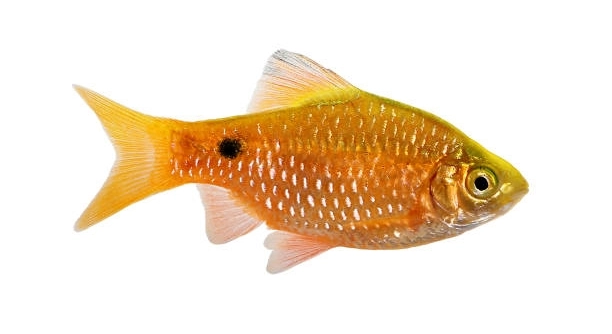
Is your Rosy Barb constantly stirring up the substrate in your aquarium, making you wonder what’s really going on beneath the surface?
Rosy Barbs dig at the substrate primarily due to natural foraging behavior, spawning instincts, or environmental stress. This activity can indicate they are searching for food, preparing to breed, or responding to unsuitable tank conditions such as poor water quality.
Understanding this behavior helps you respond appropriately and maintain a healthier environment for your fish.
Why Your Rosy Barb Might Be Digging
Digging is a natural behavior in Rosy Barbs and can stem from several simple reasons. One common cause is foraging—Rosy Barbs instinctively sift through substrate in search of leftover food or edible particles. In some cases, the behavior is tied to breeding. Males and females may clear a space in the gravel for spawning, especially if conditions in the tank mimic their natural habitat. Stress can also play a role. Poor water quality, lack of hiding spaces, or sudden changes in the environment may trigger anxious or restless digging. This behavior shouldn’t be ignored as it often points to something your fish is reacting to. Observing what time of day they dig, how frequently, and whether it’s accompanied by other changes can help pinpoint the reason. Understanding what drives your Rosy Barb to dig allows you to make small but meaningful changes that keep your aquarium balanced and your fish at ease.
Rosy Barbs are active fish and use their environment to interact and stay engaged. Digging can simply be their way of exploring and staying stimulated.
Providing smooth gravel or fine sand allows them to dig safely without damaging their delicate barbels. This gives them a natural outlet without risking injury or stress.
Environmental Factors to Consider
Tank conditions play a major role in how your Rosy Barb behaves. Water quality, temperature, and pH levels all affect their comfort and health.
If the water isn’t properly maintained, your fish may dig excessively out of discomfort. Test your tank regularly for ammonia, nitrites, and nitrates, and make sure the temperature stays between 64°F and 72°F. Sudden fluctuations in these parameters can lead to unwanted behaviors like aggressive digging or hiding. Lighting also affects mood—too much brightness may cause them to seek shelter in the gravel. Consider adding floating plants or dimming the light slightly. Tank mates can be another source of stress. If your Rosy Barb is being harassed, it may dig to escape or claim a hiding spot. Creating enough open space along with dense planting areas gives your fish options and keeps them calm. When all elements of the environment work together, your Rosy Barb is more likely to behave naturally and stay active in a healthy way.
Substrate Choice Matters
The type of substrate in your tank can influence how much your Rosy Barb digs. Coarse gravel can be uncomfortable, while soft sand or smooth pebbles let them dig without harm or stress on their barbels or fins.
If your substrate is too rough or sharp, it can lead to injuries and discourage natural behavior. Rosy Barbs enjoy soft, fine textures that allow them to sift and explore. Avoid large, jagged rocks or rough gravel as it limits their comfort and movement. If switching substrates, do it gradually to avoid shocking your fish. Replace a small portion at a time during water changes to help them adjust slowly. Adding live plants rooted in the substrate also helps—plants give a sense of stability and reduce excessive digging. They also offer natural shelter and reduce stress in community tanks. Creating a safe substrate setup helps your fish stay healthy and active.
Watching your fish interact with the substrate is helpful. If they avoid digging altogether, or seem irritated when they do, the substrate might be the issue. Look for signs like torn fins, missing scales, or erratic swimming near the bottom. A gentle, well-rinsed substrate encourages more natural behaviors and keeps your tank visually clean too. When your Rosy Barb is able to dig comfortably, it adds both activity and balance to your aquarium. It’s not just about decoration—it directly affects their health. Take the time to set up a tank floor that supports their behavior, and you’ll notice a difference in how relaxed and engaged they seem.
Behavioral Patterns to Watch
Frequent digging paired with aggressive or erratic movement can signal a larger problem. Sometimes Rosy Barbs act out due to stress, and that stress can build up quietly over time without obvious signs at first.
If your Rosy Barb is digging non-stop, even when fed and not near other fish, it’s worth checking your tank setup. Look for overcrowding, poor filtration, or sharp noise levels around the aquarium. These small triggers can stress the fish, making them restless. Watch for behavior like staying too close to the bottom, rubbing against surfaces, or losing appetite. These are often clues something’s off. Rosy Barbs also respond to changes in light or temperature, and a minor shift in the room environment might be enough to cause agitation. Try adjusting one thing at a time and track how they react. Keep notes if needed. Small behavioral shifts can tell you a lot about their needs.
Spawning Behavior and Territory
Rosy Barbs may dig when preparing to spawn. They clear small spaces in the substrate to lay eggs or to attract a mate. This behavior is more common when the tank conditions support breeding.
Males often become more territorial during spawning and may chase other fish away. Digging helps them claim a spot.
Reducing Unwanted Digging
If digging becomes excessive, try rearranging the tank layout. Adding more plants, caves, or decorations can reduce stress and provide mental stimulation. A well-structured tank helps redirect their energy into exploration instead of constant digging.
When to Monitor Closely
If the digging is paired with frayed fins, clamped posture, or loss of color, it may signal illness or severe stress. Watch closely and test your water.
FAQ
Why does my Rosy Barb dig more at certain times?
Rosy Barbs tend to dig more during feeding or spawning periods. When they’re hungry, digging helps them find leftover food in the substrate. During breeding, digging creates a clean spot to lay eggs. Environmental changes like lighting or water temperature shifts can also trigger increased digging.
Is digging harmful to my Rosy Barb?
Generally, digging is a natural behavior and not harmful if the substrate is soft and safe. However, rough or sharp substrates can injure their barbels or fins. Excessive digging might also stress the fish if it’s caused by poor tank conditions. Always ensure the substrate is suitable and water parameters are stable.
Can digging damage my aquarium setup?
While digging doesn’t usually damage the tank, it can disturb plants and decorations. If your Rosy Barb uproots plants frequently, consider using heavier pots or anchoring plants better. Rearranging decorations can help create secure spots where digging won’t cause disruption.
How do I know if digging means stress?
If digging is constant and combined with signs like hiding, loss of appetite, or erratic swimming, stress is likely. Poor water quality, overcrowding, or aggressive tank mates often cause this. Regular water tests and observing behavior help catch problems early.
What substrate is best for Rosy Barbs?
Fine sand or smooth gravel is ideal because it’s gentle on their barbels and encourages natural digging. Avoid sharp or large gravel pieces that can cause injury. A clean substrate also helps reduce harmful bacteria growth.
Should I add plants to reduce digging?
Yes, live plants help create hiding places and reduce boredom. Plants can calm Rosy Barbs by providing natural cover and breaking sightlines from other fish. This can decrease restless digging and promote natural behavior.
Does tank size affect digging behavior?
Smaller tanks often increase stress, leading to more digging. Rosy Barbs are active swimmers and need space to explore. A tank at least 20 gallons with open swimming areas and planted zones helps keep them balanced and less likely to dig excessively.
Can digging be a sign of illness?
Sometimes. If digging is paired with unusual symptoms like clamped fins, discoloration, or lethargy, it could indicate illness. Parasites or bacterial infections might cause discomfort, making them dig or rub against surfaces. In such cases, water quality and veterinary advice are important.
How can I safely change substrate without stressing my fish?
Replace the substrate gradually during water changes—about 20-30% at a time. This helps fish adjust without sudden changes to their environment. Clean the new substrate thoroughly to avoid clouding the water or introducing contaminants.
Will my Rosy Barb stop digging if properly fed?
Feeding adequately can reduce foraging digging but won’t eliminate all digging since it’s also a natural behavior. Ensure a balanced diet with quality flakes, pellets, and occasional live or frozen foods to satisfy their nutritional needs.
Can other fish cause my Rosy Barb to dig more?
Yes, aggressive or territorial tank mates can stress Rosy Barbs, triggering digging as an escape or defense mechanism. Keeping peaceful, compatible fish together reduces stress and helps maintain normal behavior.
Is digging related to water temperature?
Temperature changes can affect activity levels. If water gets too warm or cold outside their preferred range (64°F–72°F), Rosy Barbs may become restless and dig more. Stable temperature control helps maintain calm behavior.
Are there tools to discourage digging?
Instead of discouraging digging completely, provide safe outlets like fine substrate and plenty of plants. Avoid harsh deterrents. Enrichment items like smooth rocks and floating plants can redirect their energy productively.
Can digging clean the tank substrate?
Digging can help stir the substrate and prevent debris buildup but doesn’t replace regular cleaning. Uneaten food and waste still need to be removed through water changes and vacuuming to keep the environment healthy.
Does Rosy Barb digging affect water clarity?
Yes, digging can stir up substrate particles, temporarily clouding the water. This is normal but if it persists, it may indicate the substrate is too fine or the tank needs more frequent maintenance.
How long does digging behavior last during spawning?
Spawning-related digging usually lasts a few days to a week while eggs are laid and fertilized. Afterward, the behavior often decreases unless the fish continue to prepare more sites or care for eggs.
Final thoughts on your Rosy Barb digging at the substrate focus on understanding the behavior as a natural part of their life in the aquarium. Digging is often linked to instincts like searching for food, preparing a place to spawn, or responding to changes in their environment. While it might seem disruptive at times, this activity is usually a sign that your fish are active and interacting with their surroundings. Recognizing when digging is normal and when it signals a problem helps you maintain a healthy tank and happy fish. Paying attention to the type of substrate, tank setup, and water quality can reduce unnecessary digging caused by stress or discomfort.
It’s important to provide a suitable environment that supports your Rosy Barb’s natural behaviors. A soft, fine substrate like sand or smooth gravel allows them to dig safely without injury. Adding plants, decorations, and hiding spaces offers mental stimulation and reduces boredom. When the tank is well-maintained with stable water parameters, your fish will feel secure and less likely to dig excessively out of stress. Changes in tank conditions, such as water temperature or tank mates, can affect behavior, so monitoring your aquarium regularly is key. Adjusting small factors can have a big impact on your Rosy Barb’s comfort and activity.
If digging becomes too frequent or is accompanied by signs like damaged fins, loss of appetite, or unusual behavior, it’s a signal to investigate further. Testing water quality, reviewing tank conditions, and checking for aggressive tank mates should be your first steps. Sometimes, digging reflects health issues that need attention. Keeping your aquarium clean and balanced not only reduces unwanted digging but also supports the overall well-being of your fish. By understanding and responding to your Rosy Barb’s digging behavior, you create a better environment where they can thrive and show their natural charm.

Hello,
If you enjoy the content that we create, please consider saying a "Thank You!" by leaving a tip.
Every little bit helps us continue crafting quality advice that supports the health, happiness, and well-being of pets around the world, for pets of all shapes, sizes, and species.
We really appreciate the kindness and support that you show us!