
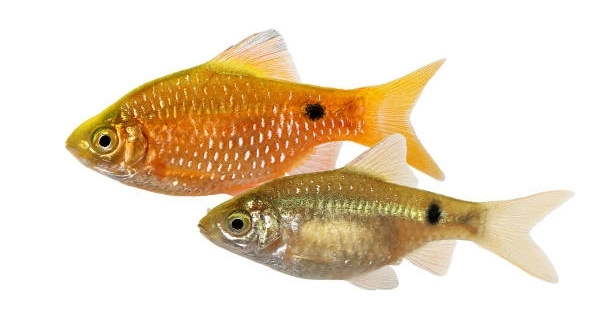
Is your rosy barb swimming in circles over one spot more than usual? This behavior can be puzzling for fish owners who want to ensure their pet’s well-being. Understanding why your fish acts this way is important for maintaining a healthy aquarium.
Rosy barbs may circle a specific spot due to territorial behavior, stress, or irritation caused by environmental factors such as water quality or tank layout. These behaviors can signal discomfort or an attempt to establish dominance within their habitat.
Recognizing these signs early helps you create a better environment for your fish and prevents potential health issues.
Common Reasons for Circling Behavior in Rosy Barbs
Rosy barbs often circle a specific spot because they are marking their territory or responding to stress. In aquariums, limited space can lead to territorial disputes, especially among males. These fish may repeatedly swim over one area to assert dominance or protect their place. Another reason for this behavior is irritation from parasites or poor water conditions, which can cause restlessness. Sometimes, the fish are simply exploring or reacting to a change in their environment, such as new decorations or tank mates. Monitoring water quality and tank setup is essential to prevent discomfort that leads to unusual swimming patterns. Understanding the cause can help in adjusting care routines to improve the fish’s comfort and reduce stress-related behaviors. Providing ample space, clean water, and compatible companions can minimize circling behavior and promote a calmer environment for your rosy barbs.
Tank layout and water quality are often key factors affecting this behavior. Keeping the tank clean and well-structured is important.
Proper care and an appropriate environment greatly reduce circling behavior. Regular checks on water parameters and careful observation will support your fish’s health.
How to Adjust Your Aquarium Setup
Adjusting your aquarium setup can help lessen your rosy barb’s circling behavior. First, ensure the tank is large enough to provide ample swimming space. Crowded tanks increase stress and territorial behavior. Adding plants and hiding spots creates a natural environment, reducing anxiety and aggressive swimming. Make sure decorations do not block swimming paths, as this can cause frustration. Regular water testing is necessary to maintain ideal conditions for temperature, pH, ammonia, nitrite, and nitrate levels. Poor water quality often causes discomfort and restlessness. Additionally, keep tank mates compatible; overcrowding or aggressive fish can increase stress for rosy barbs. Maintaining a stable environment with consistent lighting and feeding schedules also helps reduce erratic behavior. Paying attention to these factors supports your fish’s well-being and encourages more natural swimming patterns.
Taking these steps will improve your fish’s comfort and reduce their need to circle repeatedly.
Signs of Stress in Rosy Barbs
Stress in rosy barbs can show through unusual swimming patterns, including circling a specific spot. They may also appear lethargic or lose appetite. Changes in color and frequent hiding are other common signs indicating discomfort or poor health.
Stress often results from sudden changes in the tank environment or poor water quality. Overcrowding, aggressive tank mates, or improper water temperature can also contribute. When stressed, fish become more vulnerable to illness and may display erratic behavior such as repetitive circling. Observing these signs early is crucial to prevent further health problems. Creating a calm and stable environment by avoiding sudden changes helps keep stress levels low.
Behavioral changes like rubbing against objects or gasping at the surface also signal stress. Monitoring these symptoms allows you to address the cause promptly and support your fish’s recovery.
Improving Water Quality for Your Rosy Barb
Maintaining high water quality is essential to keep rosy barbs healthy and calm. Regular water changes help remove toxins and waste that build up over time. Test water parameters frequently, focusing on ammonia, nitrite, nitrate, and pH levels. These must be kept within safe ranges for rosy barbs. Use a reliable filter and clean it regularly to ensure proper water circulation and filtration.
Temperature stability is also important. Sudden fluctuations cause stress and affect behavior. Aim for a consistent range between 64°F and 72°F. Avoid overcrowding, as this increases waste and reduces oxygen levels. Balanced feeding practices prevent excess food from polluting the tank. Clear water and stable conditions reduce irritation, helping your fish swim normally without circling or other stress behaviors.
Tank Size and Space Requirements
Rosy barbs need enough space to swim freely without feeling crowded. A small tank often causes stress and repetitive behaviors like circling.
Providing at least a 20-gallon tank for a small group helps reduce territorial disputes and keeps your fish comfortable.
Impact of Tank Mates on Behavior
Tank mates influence rosy barb behavior significantly. Aggressive or overly active fish can increase stress, causing unusual swimming patterns. Choose peaceful species that tolerate similar water conditions and swim at compatible levels to create a harmonious environment.
Feeding Habits and Circling Behavior
Overfeeding or poor diet can lead to discomfort, making rosy barbs swim erratically or circle. Feeding small, balanced portions and high-quality food supports healthy digestion and reduces stress-related behavior.
Monitoring Your Fish’s Health
Regular observation of your fish’s behavior and appearance helps catch early signs of illness or stress. Prompt action can prevent worsening problems.
FAQ
Why is my rosy barb swimming in circles only at certain times?
Rosy barbs may circle more during feeding, mating, or when they feel threatened. These moments increase activity and territorial behavior. Changes in light or tank conditions can also trigger temporary circling. Monitoring when the behavior occurs helps identify triggers and make adjustments to the environment or routine.
Can poor water quality cause my rosy barb to circle a spot?
Yes, poor water quality is a common cause. High levels of ammonia, nitrites, or nitrates irritate fish, making them restless or agitated. Circling a spot can be a sign they are uncomfortable. Regular water testing and maintenance improve water conditions and reduce this behavior.
Is circling a sign of illness in rosy barbs?
Circling can indicate illness, especially if accompanied by other symptoms like clamped fins, lethargy, or loss of appetite. Parasites, infections, or swim bladder problems may cause unusual swimming. Early detection and treatment are important to avoid serious health issues.
How does tank size affect rosy barb behavior?
Smaller tanks limit swimming space and increase territorial stress, which often causes circling and other repetitive actions. Providing at least 20 gallons for a group helps reduce stress and allows natural swimming patterns. Overcrowded tanks worsen aggressive and anxious behavior.
Can tank mates cause my rosy barb to circle excessively?
Aggressive or dominant tank mates may stress rosy barbs, leading to circling or hiding. Fish that compete for territory or food increase stress levels. Choosing peaceful, compatible species reduces conflicts and helps your rosy barbs swim calmly.
What role does feeding play in circling behavior?
Overfeeding or poor diet may cause digestive discomfort or stress, which can lead to repetitive swimming patterns. Feeding small, balanced portions of high-quality food supports digestion and overall health, reducing erratic behavior.
How can I improve my rosy barb’s environment to stop circling?
Increase tank size if possible, add plants and hiding spots to reduce stress, and maintain excellent water quality. Avoid overcrowding and aggressive tank mates. Stable temperature and lighting also promote calm behavior and reduce circling.
When should I worry about my rosy barb’s circling?
If circling is persistent, intense, or combined with other signs like loss of appetite, discoloration, or erratic swimming, it’s time to act. These may indicate stress, illness, or poor tank conditions requiring immediate attention.
Can changing the tank layout help reduce circling?
Yes, rearranging decorations or plants can reduce territorial disputes and provide new stimulation. Creating more hiding places and open swimming areas helps fish feel secure and lowers repetitive behaviors.
Is it normal for rosy barbs to swim in circles sometimes?
Occasional circling or repetitive swimming can be normal exploration or part of social behavior. However, frequent, focused circling usually signals an underlying issue with health, environment, or stress that needs addressing.
Final Thoughts
Observing your rosy barb swimming in circles over a specific spot can be concerning, but it is often a signal that something in their environment needs attention. Fish show behaviors like circling to communicate discomfort, stress, or health issues. Understanding these signs helps in creating a better living space for your fish. Taking time to monitor water quality, tank size, and tank mates can make a significant difference. Small adjustments in care and environment often reduce these repetitive behaviors and promote a healthier, more natural lifestyle for your rosy barb.
Maintaining proper tank conditions is essential for preventing circling behavior. Clean water, stable temperature, and adequate space allow fish to feel secure and comfortable. Stress is a common trigger, so reducing overcrowding and choosing peaceful companions are important steps. Feeding balanced portions and watching for any changes in your fish’s behavior will help you spot problems early. Consistency in care routines also contributes to the overall well-being of your rosy barbs, making their behavior more predictable and less erratic.
Paying close attention to your rosy barb’s habits gives you insight into their health and happiness. While circling may seem like a small issue, it often points to bigger needs. Responding quickly with changes to the tank setup or care can prevent illness and reduce stress. Keeping a calm and stable environment supports your fish in showing natural, relaxed behavior. By providing proper care and understanding the reasons behind their actions, you create a peaceful aquarium where rosy barbs thrive.

Hello,
If you enjoy the content that we create, please consider saying a "Thank You!" by leaving a tip.
Every little bit helps us continue crafting quality advice that supports the health, happiness, and well-being of pets around the world, for pets of all shapes, sizes, and species.
We really appreciate the kindness and support that you show us!