
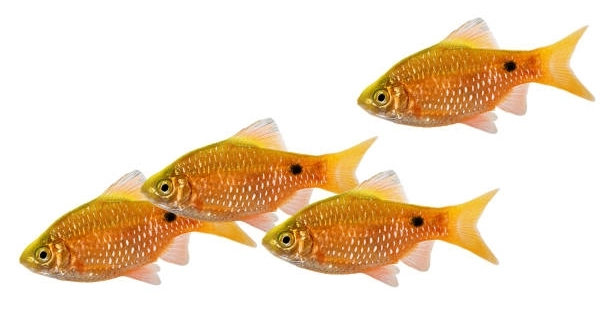
Is your rosy barb nibbling on the decorations in its tank? Many fish owners notice this behavior and wonder what it means. Understanding why your fish chews on these objects can help keep your aquarium environment healthy and balanced.
Rosy barbs chew on decorations primarily due to curiosity and natural foraging instincts. This behavior is not aggressive but rather a way for the fish to explore their surroundings and find potential food sources. It is also a sign of environmental enrichment needs.
Recognizing this habit allows you to create a better habitat for your fish. Adjustments to tank setup and diet can reduce decoration chewing and promote healthier fish behavior.
Reasons Behind Decoration Chewing
Rosy barbs often chew on decorations because they are naturally curious fish. In the wild, they spend much time exploring and nibbling on plants or small objects. When kept in an aquarium, they may treat decorations like natural items to investigate. Sometimes, chewing happens because their environment lacks stimulation or hiding spots, which can cause boredom. Additionally, if the fish is not receiving enough food or the right nutrients, it may try to find alternative sources by chewing. Soft or plastic decorations are easy targets, especially if they resemble natural plants. Understanding these reasons helps in creating a better environment that suits your fish’s needs and encourages healthier behaviors.
Tank decorations should be chosen carefully to avoid materials that can be harmful if chewed. Providing a varied diet can also reduce this behavior.
Creating an enriched environment with live plants or safe, chew-resistant decorations helps keep rosy barbs occupied. Feeding them a balanced diet ensures they are less likely to seek out non-food items. Regularly changing the tank setup slightly can maintain their interest and prevent boredom. Monitoring their chewing can also indicate if any health or dietary changes are needed, helping maintain their well-being and your aquarium’s appearance.
How to Manage Chewing Behavior
Removing or replacing soft decorations can help prevent damage.
Offering more natural options, like live plants or sturdy ornaments, can reduce chewing.
Live plants not only provide natural surfaces to explore but also improve water quality. Sturdy decorations made from safe materials resist damage and prevent ingestion risks. Feeding rosy barbs regularly with a varied diet rich in proteins and vitamins reduces their need to chew non-food items. Environmental enrichment like hiding spots and open swimming areas keeps the fish engaged. Sometimes, increasing tank size or adding tank mates with compatible behavior helps distribute activity, reducing stress-related chewing. Regular observation ensures early detection of any changes in behavior or health, allowing prompt adjustments to care. This approach supports both the fish’s health and the longevity of your aquarium setup.
Common Signs of Stress in Rosy Barbs
Stress often causes unusual chewing behavior. Signs include rapid gill movement, hiding frequently, and loss of appetite.
Stress can result from poor water quality, overcrowding, or sudden changes in the environment. These factors affect a rosy barb’s comfort and health. Constant stress lowers their immune system and increases harmful behaviors, including chewing on decorations more aggressively.
To reduce stress, maintain clean water, avoid overstocking, and provide a calm environment. Regular water tests help detect harmful chemicals or improper pH. Using gentle lighting and stable temperatures also creates comfort. Observing fish daily for changes in behavior is crucial to prevent prolonged stress, ensuring they remain healthy and less likely to damage decorations.
Choosing the Right Decorations
Selecting durable and non-toxic decorations minimizes chewing damage and health risks.
Avoid decorations made of soft plastics or materials that can break apart easily. Instead, choose items made from resin, ceramic, or natural stones. Live plants are excellent additions, offering natural texture and safe nibbling options. Decorations with smooth surfaces and no sharp edges prevent injury. Make sure ornaments have no small parts that could be swallowed. Regularly inspect tank decorations to remove any damaged pieces before they become a hazard. Prioritizing safety and durability ensures a better environment for rosy barbs, reducing their need to chew destructively.
Feeding Tips to Reduce Chewing
Providing a balanced diet keeps rosy barbs satisfied and less likely to chew decorations.
Include a mix of flakes, pellets, and occasional live or frozen foods to meet their nutritional needs.
Tank Setup Adjustments
Adding hiding spots and open swimming areas helps reduce boredom and chewing. Use plants, rocks, and caves to create a stimulating environment that feels safe and engaging.
Monitoring Fish Behavior
Watch for changes in chewing frequency or intensity, as this can signal health or environmental issues needing attention.
When to Consult a Specialist
If chewing worsens despite changes, seek advice from a vet or aquarium expert to rule out illness or stress-related problems.
FAQ
Why is my rosy barb chewing on plastic decorations?
Rosy barbs often chew on plastic decorations because they mistake them for plants or food. Their natural instinct to explore and forage drives them to nibble on anything that looks interesting. Plastic items that are soft or flexible are especially tempting, but chewing these can be harmful if ingested. Replacing soft plastics with safer, harder decorations or live plants can reduce this behavior.
Can chewing decorations harm my rosy barb?
Yes, chewing on decorations can be harmful. Small pieces from broken decorations might be swallowed, leading to digestive problems or injury. Sharp edges can cause cuts or infections. It’s important to provide safe, sturdy decorations and regularly check for damage to avoid risks.
How can I stop my rosy barb from chewing decorations?
Improving your tank setup helps. Introduce live plants or sturdier decorations, offer a balanced diet, and add hiding spots to reduce boredom. Regularly changing the environment keeps fish engaged and less likely to chew out of curiosity or stress.
Is chewing a sign of stress in rosy barbs?
Chewing can be a stress sign, especially if it increases suddenly or becomes aggressive. Stress factors include poor water quality, overcrowding, and sudden changes. Monitoring your fish’s behavior and tank conditions helps identify stress early.
What should I feed my rosy barb to reduce chewing?
Feed a varied diet of flakes or pellets designed for tropical fish, supplemented with live or frozen foods like brine shrimp or bloodworms. This mix provides essential nutrients, keeping your fish satisfied and less interested in chewing decorations.
Are live plants better than artificial ones for rosy barbs?
Live plants are often better because they provide natural surfaces for nibbling, improve water quality, and create a more stimulating environment. They also reduce boredom, which can lower chewing behavior. However, some plants may be uprooted or eaten, so choose hardy species.
Can the size of the tank affect chewing behavior?
Yes, a small or overcrowded tank can increase stress and boredom, leading to more chewing. Rosy barbs need enough space to swim and explore. A larger, well-decorated tank with proper filtration supports their natural behavior and reduces unwanted chewing.
How often should I check my tank decorations?
Inspect decorations weekly for signs of wear or damage. Replace or remove any broken pieces to prevent injury or ingestion. Regular checks help keep the tank safe and reduce the risk of your fish chewing dangerous fragments.
Will adding more fish reduce decoration chewing?
Adding compatible tank mates can reduce boredom but only if the tank is spacious enough. Overcrowding leads to stress, which may increase chewing. Introduce new fish carefully and ensure the environment meets all species’ needs.
Can poor water quality cause my rosy barb to chew more?
Poor water quality stresses fish and may increase destructive behaviors, including chewing. Regular water changes, testing, and filtration maintain a healthy environment, reducing stress and keeping your fish comfortable.
What decorations should I avoid?
Avoid soft plastics, painted items that may peel, and decorations with sharp or small detachable parts. These can break apart and cause harm if swallowed or cause injuries. Choose sturdy, non-toxic materials designed for aquarium use.
How do I know if my fish is chewing due to boredom?
If chewing increases when the tank environment is unchanged or fish appear restless, boredom may be the cause. Adding new decorations, plants, or rearranging the tank can stimulate activity and reduce chewing.
Can changing the tank layout help reduce chewing?
Yes, rearranging decorations and plants can renew your fish’s interest and reduce boredom-related chewing. Frequent changes create a more dynamic environment and encourage exploration without damaging decorations.
Is chewing behavior common in other fish species?
Yes, many fish species chew or nip decorations, especially those with strong foraging instincts. Understanding each species’ behavior helps in designing suitable habitats that minimize destructive habits.
When should I consult a veterinarian about chewing behavior?
If chewing is excessive, causes injury, or is accompanied by other signs like lethargy or weight loss, consult a vet. Health issues or infections can sometimes underlie behavioral changes, requiring professional care.
Rosy barbs chewing on decorations is a common behavior that many fish owners notice. This action is often driven by the fish’s natural instincts to explore and forage. While it may seem troubling at first, chewing on decorations usually does not indicate a serious problem. Instead, it can be a sign that the fish is curious, bored, or searching for food. Understanding why your rosy barb behaves this way is important for creating a healthy and comfortable environment. Making adjustments to the tank setup, diet, and decoration choices can help reduce this chewing behavior and improve your fish’s well-being.
Providing a balanced diet and a well-decorated tank plays a key role in minimizing chewing. When rosy barbs receive proper nutrition and have enough stimulation in their environment, they are less likely to chew on objects unnecessarily. Adding live plants, sturdy decorations, and hiding spots offers natural textures and places to explore, which can satisfy their curiosity. Regularly cleaning the tank and monitoring water quality also helps reduce stress, which may contribute to unwanted behaviors. Small changes can make a big difference in keeping your fish comfortable and healthy.
Finally, paying attention to your fish’s behavior is important for spotting any changes that might signal stress or illness. If chewing becomes more frequent or aggressive, it may be necessary to review tank conditions or consult an expert. Choosing safe decorations and avoiding materials that can harm your fish will protect them from injury. With the right care and environment, your rosy barbs can thrive without causing damage to their home. Maintaining a balanced approach will ensure both your fish’s happiness and the long-term beauty of your aquarium.

Hello,
If you enjoy the content that we create, please consider saying a "Thank You!" by leaving a tip.
Every little bit helps us continue crafting quality advice that supports the health, happiness, and well-being of pets around the world, for pets of all shapes, sizes, and species.
We really appreciate the kindness and support that you show us!