
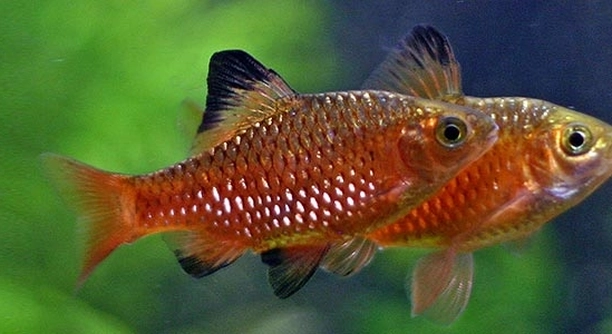
Is your rosy barb suddenly bumping into things in its tank? This unusual behavior can be worrying for any fish owner. Understanding the possible causes helps to keep your fish healthy and comfortable in its environment.
Rosy barbs may bump into objects due to poor water quality, vision problems, stress, or disease. These factors can impair their swimming ability and spatial awareness, causing disorientation and collisions with tank decorations or glass.
Knowing the reasons behind this behavior will help you improve your fish’s living conditions and prevent further issues.
Common Causes of Rosy Barb Bumping Behavior
When rosy barbs start bumping into things, several common factors may be responsible. Water quality is often the first to check. High levels of ammonia, nitrites, or nitrates can affect their health and behavior. Poor lighting or sudden changes in light can also confuse them. Vision problems are another reason. If their eyes are cloudy or injured, they may have trouble seeing obstacles. Stress plays a big role too, caused by overcrowding, aggressive tank mates, or sudden changes in environment. Lastly, diseases such as infections or parasites can impact their coordination and balance. Keeping a close eye on these aspects helps you identify what might be affecting your fish.
Water conditions and tank setup directly influence your rosy barb’s comfort and behavior.
Maintaining clean water with stable parameters is essential. Frequent water changes and testing will keep toxins low. Ensuring enough space and compatible companions reduces stress. Regularly observe your fish for any signs of illness, such as unusual swimming patterns or physical changes. By addressing these factors early, you can prevent worsening conditions and keep your rosy barb healthy and active.
Diagnosing Vision Problems in Rosy Barbs
Vision issues in rosy barbs are not always easy to spot. Cloudy eyes or unusual swimming patterns may indicate trouble seeing.
Eye problems can stem from infections, injuries, or poor water quality. Bacterial and fungal infections can cause swelling or cloudiness. Physical damage from sharp decorations or aggressive tank mates may harm their eyes. Consistent poor water conditions increase susceptibility to these issues. If vision is impaired, your rosy barb may bump into tank objects while trying to navigate. Treating eye infections promptly with appropriate medication helps prevent permanent damage. Improving water quality and removing sharp objects can also protect their eyesight. Observing how your fish interacts with its environment is key to spotting vision problems early and ensuring proper care.
Stress and Its Impact on Rosy Barbs
Stress can greatly affect a rosy barb’s behavior, causing it to bump into things. Changes in environment, aggressive tank mates, or overcrowding often trigger stress.
Stress weakens their immune system and disrupts normal swimming patterns. When stressed, rosy barbs may dart suddenly or become disoriented, leading to collisions. Overcrowded tanks limit swimming space and increase competition for food, which adds to stress. Aggressive fish nearby create an unsafe atmosphere, forcing the rosy barb to hide or swim erratically. Sudden changes such as moving the tank or altering water temperature also contribute. Reducing these stressors improves their overall health and helps prevent bumping behavior.
To reduce stress, maintain a calm environment with peaceful tank mates and enough space. Avoid sudden changes in lighting or water conditions. Providing hiding spots helps rosy barbs feel secure. Regular observation is important to catch signs of stress early and respond quickly. A stable and comfortable tank environment keeps your fish active and less prone to bumping accidents.
Identifying Disease and Infection
Diseases and infections often cause disorientation in rosy barbs, making them bump into objects. Symptoms include lethargy, loss of appetite, and unusual swimming patterns.
Common diseases such as ich, fin rot, or swim bladder issues can impair balance and vision. Ich appears as white spots and causes irritation, while fin rot leads to damaged fins and reduced swimming ability. Swim bladder disorders affect buoyancy, causing difficulty in controlling movement. These conditions require prompt treatment with appropriate medications and water changes. Early diagnosis prevents worsening symptoms and helps restore normal behavior.
Routine tank maintenance minimizes disease risk. Quarantining new fish before introduction prevents spreading infections. Maintaining clean water and good nutrition supports your fish’s immune system. Watching for early signs and acting quickly improves recovery chances and reduces the risk of collisions caused by illness.
Water Quality and Its Effects
Poor water quality is a major reason rosy barbs bump into things. High toxin levels cause discomfort and disorientation.
Ammonia, nitrites, and nitrates build up quickly without regular water changes. These chemicals irritate fish and affect their nervous system. Clean, stable water is essential for healthy behavior.
Tank Setup and Decorations
Sharp or crowded decorations increase the chance of collisions. Rosy barbs need open space to swim freely.
Overcrowding the tank with plants or ornaments limits movement and causes stress. Proper arrangement reduces injury risks and creates a safer environment.
Monitoring Your Rosy Barb’s Behavior
Observe your fish daily for changes in swimming or physical appearance. Early detection of issues helps with quick action.
Regular monitoring allows you to spot problems like bumping early, making it easier to maintain a healthy tank and fish.
FAQ
Why is my rosy barb swimming erratically and bumping into the glass?
Erratic swimming and bumping into the glass often point to stress or poor water quality. High ammonia or nitrite levels irritate fish and can cause disorientation. Stress from overcrowding, aggressive tank mates, or sudden environmental changes can also disrupt normal swimming behavior.
How can I improve water quality for my rosy barbs?
Regular water changes are essential. Test the water weekly for ammonia, nitrites, and nitrates. Use a good water conditioner and avoid overfeeding. Proper filtration helps maintain clean water, which reduces toxins and supports fish health.
Can vision problems cause my rosy barb to bump into things?
Yes. Eye infections, injuries, or poor water conditions can cause cloudiness or damage to their eyes. Impaired vision makes it difficult for rosy barbs to navigate, leading to collisions.
How do I treat eye infections in rosy barbs?
Eye infections often need antibacterial or antifungal medication. First, improve water quality and isolate the affected fish if possible. Follow treatment instructions carefully and maintain clean water throughout recovery.
Is my tank too crowded if my rosy barb is bumping into things?
Overcrowding is a common cause of stress and limited swimming space. Rosy barbs need room to swim freely. Too many fish or decorations can lead to bumping behavior and increased aggression.
What tank size is ideal for rosy barbs?
A minimum 30-gallon tank is recommended for a small group of rosy barbs. This provides enough swimming space and helps reduce stress from overcrowding.
Can diseases cause my rosy barb to bump into objects?
Certain diseases, like ich or swim bladder disorders, affect swimming and balance. These conditions can cause disorientation and bumping. Prompt treatment is important to prevent complications.
How do I recognize swim bladder disorder?
Swim bladder disorder causes difficulty maintaining buoyancy. Fish may float sideways, sink, or struggle to swim properly. Bumping into things often accompanies these symptoms.
What should I do if my rosy barb shows signs of illness?
Quarantine the affected fish if possible. Test water parameters and improve water quality. Use appropriate medication based on the diagnosis. Monitor closely and adjust care as needed.
Are sudden changes in the tank environment harmful to rosy barbs?
Yes. Sudden changes in temperature, lighting, or water chemistry stress fish. This can lead to erratic behavior, including bumping into tank objects.
How can I reduce stress in my rosy barbs?
Keep tank conditions stable and avoid overcrowding. Choose peaceful tank mates and provide hiding spots. Maintain consistent lighting and avoid sudden environmental shifts.
Why is my rosy barb bumping only at night or in low light?
Poor lighting can impair vision and disorient fish. In low light, rosy barbs may struggle to see tank boundaries and decorations, leading to bumps.
What tank decorations are best to prevent bumping?
Smooth decorations with rounded edges are safer. Provide open swimming areas and avoid overcrowding the tank with sharp or bulky objects.
Can poor diet cause bumping behavior?
While diet mainly affects overall health, poor nutrition can weaken fish and make them more vulnerable to stress and disease, indirectly causing bumping.
How often should I check my tank water?
Testing water at least once a week is ideal. Frequent checks help catch problems early, preventing issues that may cause bumping or other behavior changes.
What is the role of tank mates in rosy barb behavior?
Aggressive or overly active tank mates can stress rosy barbs, causing them to bump or swim erratically. Select compatible, peaceful species to maintain harmony.
Can age affect a rosy barb’s ability to navigate?
Older fish may experience declining vision or health issues, which can lead to bumping. Regular care and observation become more important as fish age.
How can I help my rosy barb recover from bumping behavior?
Address water quality, reduce stress, treat any illnesses, and ensure proper tank setup. Consistent care and observation will support recovery and return to normal behavior.
Is bumping behavior always a sign of a serious problem?
Not always. Occasional bumps may occur as fish explore or interact with their environment. Persistent or worsening bumping, however, signals a need for attention.
Can changing the tank location cause my rosy barb to bump into things?
Yes. Moving the tank can stress fish and cause temporary disorientation. Allow time for adjustment and maintain stable conditions during and after the move.
What signs should I watch for besides bumping to detect problems?
Look for changes in appetite, color fading, lethargy, abnormal swimming, or visible injuries. These can indicate underlying health issues needing attention.
How important is regular tank maintenance to prevent bumping?
Very important. Cleaning the tank, changing water, and monitoring parameters keep fish healthy and reduce causes of disorientation or stress.
Can lighting adjustments help reduce bumping?
Yes. Consistent, adequate lighting supports fish vision and orientation. Avoid sudden bright lights or prolonged darkness to maintain stability.
Are there specific medications safe for treating common rosy barb illnesses?
Medications for bacterial, fungal, or parasitic infections designed for aquarium fish are generally safe if used as directed. Consult aquarium care resources or a vet for recommendations.
How do I know if my rosy barb is stressed?
Signs include hiding, rapid breathing, loss of appetite, color changes, and unusual swimming behavior like bumping or darting.
What steps can I take if my rosy barb is stressed?
Improve water quality, reduce tank population if overcrowded, provide hiding places, and avoid sudden environmental changes. Patience and consistency aid recovery.
Final Thoughts
Rosy barbs bumping into things can be unsettling to notice, but it is usually a sign that something in their environment or health needs attention. Whether it’s water quality, vision problems, stress, or illness, identifying the cause is the first step toward helping your fish. Keeping a clean and stable tank environment reduces many common issues that lead to this behavior. Regular water testing and changes are essential, as poor water conditions affect fish health in many ways. Proper filtration and avoiding overcrowding help maintain a peaceful space for your rosy barbs to swim freely without obstacles.
Taking care of your rosy barb’s tank setup also plays a big role in preventing bumping. Sharp decorations or cramped spaces increase the chance of injury and stress. Providing enough room and smooth, rounded objects lets your fish move easily and safely. Stress can come from many sources, including aggressive tank mates or sudden changes in temperature and lighting. Minimizing these factors makes your rosy barbs feel secure and comfortable, reducing erratic swimming and collisions. Regularly observing your fish helps you notice early signs of stress or illness so you can act quickly.
Finally, monitoring your rosy barb’s health closely is important. Diseases and infections often cause disorientation and poor coordination, leading to bumping behavior. If you see signs like cloudy eyes, unusual swimming, or loss of appetite, it’s best to test water conditions and consider treatment. Quarantining sick fish and maintaining good tank hygiene support recovery and prevent spread to other fish. While occasional bumping can happen during normal activity, persistent or worsening behavior needs attention. By providing a clean, calm environment and watching for health changes, you can help your rosy barb stay healthy and active for years to come.

Hello,
If you enjoy the content that we create, please consider saying a "Thank You!" by leaving a tip.
Every little bit helps us continue crafting quality advice that supports the health, happiness, and well-being of pets around the world, for pets of all shapes, sizes, and species.
We really appreciate the kindness and support that you show us!