
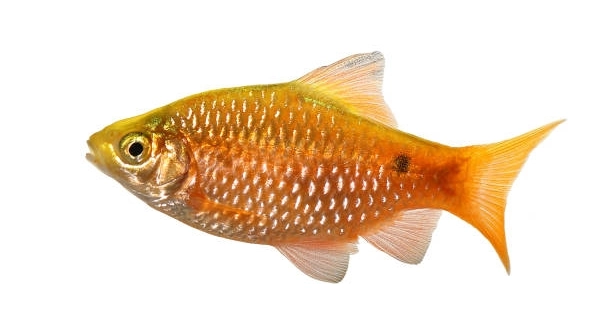
Many aquarists enjoy keeping rosy barbs for their lively colors and peaceful nature. Sometimes, these fish act differently around equipment in the tank, such as the air stone. Understanding this behavior helps maintain a healthy aquarium environment.
Rosy barbs often avoid air stones because of the strong water movement and bubbles they produce, which can stress the fish. Additionally, the noise and vibrations from the air stone may cause discomfort or fear, prompting them to stay clear.
Knowing why your rosy barb avoids the air stone can help improve its comfort and well-being. Small changes in tank setup may make a big difference for your fish’s behavior.
Reasons Rosy Barbs Avoid the Air Stone
Rosy barbs may stay away from the air stone because the bubbles and water flow create an environment that feels too strong or unfamiliar. These fish prefer calmer waters and can get stressed when the air stone agitates the surface too much. The constant movement from the bubbles can make it hard for them to swim comfortably or rest. Some fish find the noise and vibration disturbing, which adds to their desire to avoid the area. Water quality near the air stone may also differ slightly, with more oxygen and circulation, but the physical effects often outweigh this benefit for the rosy barb. Understanding these reasons can help you set up your tank in a way that balances oxygenation and your fish’s comfort.
In many cases, lowering the air stone’s output or relocating it can help the fish feel more at ease and encourage them to explore the tank more freely.
Adjusting the air stone’s position or reducing its power helps create a more comfortable environment. This simple step can improve your rosy barb’s behavior and reduce stress, making your aquarium a calmer place for all its inhabitants.
How to Make Your Rosy Barb More Comfortable
Moving the air stone to a less active area in the tank can reduce water turbulence and bubbles in places where your fish prefer to swim. You can also lower the air pump’s intensity to create gentler bubbles that won’t bother the fish as much. Another option is to use plants or decorations to block or diffuse the bubbles and water flow from the air stone. This setup can create calm zones for your rosy barb to rest or swim without feeling pressured by strong currents.
Besides adjusting the air stone, keeping stable water conditions is important. Regular water changes and testing for ammonia, nitrites, and nitrates help maintain a safe environment. A well-maintained tank with proper temperature and pH balance supports your rosy barb’s health and comfort. Adding hiding spots like caves or dense plants gives your fish places to feel secure, reducing their stress. Small changes like these can make a big difference, encouraging your rosy barb to explore the tank more and be more active around the air stone area over time.
Signs Your Rosy Barb Is Stressed by the Air Stone
If your rosy barb avoids the air stone, it may show signs of stress like hiding more often or swimming erratically. You might notice a loss of appetite or faded colors. These behaviors suggest discomfort linked to the air stone’s presence in the tank.
Stress can weaken your fish’s immune system, making it more prone to illness. Watch for rapid gill movement or heavy breathing, which could indicate difficulty coping with the increased water movement. Sometimes, fish may also become lethargic, spending more time near the bottom or hiding spots.
Addressing these signs quickly is important. Adjusting the air stone’s position or lowering its output can help reduce stress. Keeping an eye on your rosy barb’s behavior ensures it stays healthy and comfortable in its environment.
Alternatives to Using an Air Stone for Oxygenation
Using plants that produce oxygen naturally is a good alternative to air stones. Live aquatic plants help keep oxygen levels balanced and provide shelter, creating a peaceful environment for rosy barbs. They also absorb harmful substances, improving overall water quality.
You can also rely on surface agitation created by a filter to increase oxygen exchange. Proper water movement helps oxygen enter the tank without creating strong currents that bother the fish. Choosing a filter with adjustable flow rates lets you control water movement, balancing oxygen needs with your rosy barb’s comfort. This way, your fish enjoy clean, oxygen-rich water without the stress caused by air stones.
Adjusting Air Stone Placement
Placing the air stone near the tank’s surface can create more gentle bubbles, reducing stress for rosy barbs. Avoid positioning it where your fish spend most of their time resting or hiding.
Experiment with different spots in the tank to find where the air stone disturbs the fish the least. This simple change can improve their comfort and encourage normal behavior.
Monitoring Water Quality
Maintaining good water quality is essential for your rosy barb’s health. Test water parameters regularly, including ammonia, nitrites, and pH levels, to prevent harmful conditions. Clean the tank and perform water changes as needed to keep the environment stable and safe for your fish.
Choosing the Right Air Pump
Selecting an air pump with adjustable flow settings allows you to control the air stone’s bubble output. Lower flow rates produce softer bubbles, which are less likely to stress your rosy barb. This makes the tank environment more comfortable and reduces avoidance behavior.
FAQ
Why does my rosy barb swim away from the air stone?
Rosy barbs tend to avoid the air stone because the strong bubbles and water movement can be stressful. The constant flow disturbs their usual swimming patterns and resting spots. Noise and vibrations from the air stone may also cause discomfort, leading them to swim away and seek calmer areas in the tank.
Can an air stone harm my rosy barb?
While an air stone itself is not harmful, excessive water movement and noise can stress rosy barbs. Stress weakens their immune system, making them more vulnerable to diseases. It’s important to keep air flow gentle and monitor your fish for signs of distress to prevent long-term harm.
Is it necessary to use an air stone in my rosy barb tank?
An air stone is not always required if you have adequate surface agitation or live plants that oxygenate the water naturally. Many tanks maintain good oxygen levels with proper filtration and healthy plants. However, in some setups, an air stone helps increase oxygen and improves circulation, so it depends on your tank’s conditions.
How can I make the air stone less stressful for my rosy barb?
Lower the air pump’s power to reduce bubble size and flow strength. Place the air stone in a corner or near the surface where bubbles won’t interfere with your fish’s favorite resting places. Adding plants or decorations near the air stone can help diffuse bubbles and calm water movement.
What signs show my rosy barb is stressed by the air stone?
Watch for hiding behavior, reduced appetite, or erratic swimming near the air stone. Faded colors and rapid breathing are also indicators of stress. If your fish spends most of its time away from the air stone or appears lethargic, it may be uncomfortable with the current setup.
Can I replace an air stone with other equipment?
Yes, filters with adjustable flow rates can create surface agitation that oxygenates the water without strong currents. Live plants also help increase oxygen naturally while providing shelter and reducing stress. Combining these options may eliminate the need for an air stone in your tank.
How often should I clean the air stone?
Air stones can clog over time with algae or mineral buildup, reducing their efficiency. Clean or replace the air stone every few months, or sooner if you notice reduced bubble output. Regular cleaning helps maintain proper oxygen flow and keeps the tank environment stable for your fish.
Will lowering the air stone’s output affect my tank’s oxygen levels?
Reducing air stone output lowers water movement and bubbles but may slightly decrease oxygen exchange. Compensate by ensuring your filter creates surface agitation or by adding live plants. Keeping water quality stable and performing regular water changes will also support good oxygen levels.
Can stress from the air stone cause illness in rosy barbs?
Chronic stress weakens the immune system, making rosy barbs more susceptible to infections like ich or fin rot. Minimizing stress factors, including strong water flow from air stones, is key to preventing illness. Always monitor your fish closely and adjust tank conditions as needed.
What is the best way to introduce an air stone to a new rosy barb tank?
Start with low air flow and place the air stone where fish can avoid it if needed. Observe your rosy barbs closely for any signs of discomfort. Gradually adjust the air stone’s position or output to find a balance that maintains oxygen without stressing the fish.
Rosy barbs are lively and colorful fish that bring life to many home aquariums. Their comfort and well-being depend a lot on the environment you create for them. The air stone is often used to improve oxygen levels and water circulation, but it can sometimes cause stress for rosy barbs. Understanding why your fish avoids the air stone helps you make small adjustments that can greatly improve their quality of life. Paying attention to their behavior and tank setup is key to keeping your rosy barbs healthy and happy.
Many factors influence how a rosy barb reacts to an air stone. The strength of water movement, noise, and vibrations are common reasons these fish avoid the area near the air stone. While the bubbles are beneficial for oxygen exchange, too much agitation can make fish feel unsafe. Simple solutions like lowering the air stone’s output, moving it to a less active part of the tank, or adding plants to diffuse bubbles often solve the problem. It’s important to balance oxygen needs with the fish’s comfort rather than focusing solely on equipment use.
Finally, monitoring your rosy barbs regularly helps catch any signs of stress early. Changes in swimming patterns, appetite, or color can point to discomfort related to the air stone or other tank conditions. Regular water testing, proper tank maintenance, and thoughtful placement of equipment create a stable and pleasant environment for your fish. Taking time to adjust and observe your setup will reward you with a more peaceful tank and healthier, more active rosy barbs.

Hello,
If you enjoy the content that we create, please consider saying a "Thank You!" by leaving a tip.
Every little bit helps us continue crafting quality advice that supports the health, happiness, and well-being of pets around the world, for pets of all shapes, sizes, and species.
We really appreciate the kindness and support that you show us!