
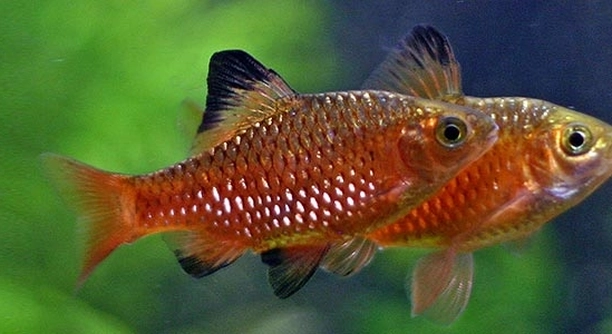
Rosy barbs are lively fish that usually enjoy swimming in open water. When they suddenly avoid open space, it can be concerning for their caretakers. Understanding their behavior helps ensure their well-being in a home aquarium.
Rosy barbs avoid open space primarily due to stress or perceived threats. Factors such as sudden changes in environment, poor water quality, or aggressive tank mates cause them to seek shelter and stay near hiding spots for safety and comfort.
Recognizing these signs early can improve your fish’s environment and reduce their stress, leading to a healthier and more active Rosy barb.
Common Reasons Rosy Barbs Avoid Open Space
Rosy barbs often avoid open spaces when they feel unsafe or uncomfortable. Changes in water temperature, poor water quality, or the presence of aggressive tank mates can make them nervous. They may also hide if the tank lacks enough plants or decorations to create safe zones. Rosy barbs rely on these shelters to feel secure, so a bare tank can lead them to stay close to the edges or corners. Additionally, sudden loud noises or frequent disturbances near the aquarium might cause stress, making them avoid open swimming areas. Proper tank maintenance, stable water conditions, and providing hiding spots can help them feel more at ease and encourage normal swimming behavior.
Keeping water clean and stable is key to preventing stress and avoiding hiding behavior in rosy barbs.
Providing adequate space and natural decorations improves your Rosy barb’s comfort and reduces their fear of open areas.
How to Improve Your Rosy Barb’s Comfort
Monitoring water quality is essential for the health of Rosy barbs. Ammonia, nitrite, and nitrate levels should be regularly tested to keep them within safe limits. Frequent water changes help maintain good conditions and reduce stress. Also, check the water temperature and keep it consistent, ideally between 64 and 72°F (18-22°C). Introducing plants, rocks, and other decorations creates hiding spots that make the fish feel protected. Avoid overcrowding the tank since it increases stress and aggressive behavior. If aggressive tank mates are present, consider separating them. Creating a calm environment with minimal noise and vibrations is beneficial. All these steps contribute to a happier and more active Rosy barb that will feel safe exploring open areas again.
Tank Setup and Environment
A crowded or poorly arranged tank can cause Rosy barbs to avoid open spaces. They need enough room to swim comfortably.
When the tank is overcrowded or lacks enough hiding spots, Rosy barbs feel insecure and tend to stay near decorations or plants. Proper spacing between decorations is important to provide open swimming areas while still offering shelter. A tank size of at least 20 gallons is recommended for a small group of Rosy barbs. Arranging plants and rocks strategically creates a balanced environment where fish can explore without feeling exposed. Bright lighting can also influence their comfort, so a moderate light level is ideal.
Tank cleanliness plays a crucial role in fish behavior. Regular gravel vacuuming and filter maintenance ensure a healthy habitat. Avoid placing the aquarium in direct sunlight or near noisy areas to reduce stress. These adjustments encourage your Rosy barbs to swim openly and enjoy their environment.
Recognizing Signs of Stress
Stress in Rosy barbs can cause hiding and avoidance of open spaces. Watch for changes in behavior or appearance.
Stress signs include clamped fins, rapid breathing, loss of appetite, and unusual swimming patterns such as darting or hiding more than usual. These behaviors indicate discomfort or poor health. Addressing stress promptly can prevent illness and improve their well-being. Adjusting tank conditions, improving water quality, and reducing disturbances help lower stress levels.
Maintaining a stable environment reduces the risk of stress-related problems. Regular monitoring and proper care keep your Rosy barbs active and visible, helping them avoid unnecessary hiding and enjoy a healthier life.
Feeding Habits and Their Effect
Rosy barbs may avoid open space if they feel threatened during feeding times. Ensuring calm feeding routines helps reduce stress.
Feeding small amounts multiple times a day instead of one large meal encourages natural behavior. Avoid overfeeding, as leftover food can pollute the water and cause discomfort.
The Role of Tank Mates
Tank mates influence Rosy barbs’ comfort levels. Aggressive or overly active fish can cause them to hide or avoid open spaces. Choosing compatible species that share similar temperaments reduces stress and encourages social interaction. Peaceful community fish like danios or tetras work well with Rosy barbs. Properly monitoring tank dynamics prevents bullying and helps your Rosy barbs feel safe and confident in their environment.
Lighting and Activity
Too bright or flickering lights can make Rosy barbs uncomfortable. Adjusting to soft, steady lighting promotes natural swimming behavior and confidence in open areas.
FAQ
Why is my Rosy barb hiding all the time?
Rosy barbs hide when they feel stressed or threatened. Common reasons include poor water quality, aggressive tank mates, or a lack of hiding spots. They also may hide if the tank environment changes suddenly. Ensuring stable water conditions and providing plants or decorations for shelter can reduce hiding behavior.
How can I encourage my Rosy barb to swim in open space?
Create a balanced tank setup with enough room for swimming and places to hide. Keep water clean and stable, maintain proper temperature, and avoid overcrowding. Minimize loud noises and sudden movements near the tank. Introducing compatible, peaceful tank mates also helps them feel secure and more likely to explore open areas.
Is tank size important for Rosy barb behavior?
Yes, tank size is important. Rosy barbs need at least 20 gallons for a small group to swim comfortably. A cramped tank increases stress and causes them to avoid open spaces. Larger tanks with enough room for swimming and hiding areas support their natural behavior and reduce stress.
Can water quality affect my Rosy barb’s activity?
Poor water quality directly impacts their health and behavior. High ammonia, nitrites, or nitrates stress fish, causing them to hide. Regular water testing and changes keep the environment safe. Clean water helps maintain energy levels and encourages natural swimming in open areas.
Do Rosy barbs get along with other fish?
Rosy barbs are generally peaceful but can become shy if tank mates are aggressive or overly active. Choosing calm species like danios or tetras creates a harmonious environment. Avoid keeping them with large or aggressive fish, as this can lead to stress and hiding.
How often should I feed my Rosy barb?
Feed small amounts two to three times daily rather than one large meal. This mimics their natural eating habits and prevents overfeeding. Leftover food pollutes the water and can cause stress or illness, leading to hiding and decreased activity.
What lighting is best for Rosy barbs?
Soft, steady lighting is ideal. Bright or flickering lights can stress them, causing avoidance of open spaces. Moderate light levels help them feel safe while allowing natural behaviors like exploring and schooling.
Can sudden noises or vibrations affect my Rosy barb?
Yes, sudden noises or vibrations cause stress, making Rosy barbs retreat to hiding spots. Keep the tank in a quiet area away from loud appliances or frequent disturbances to promote calm swimming in open areas.
How do I know if my Rosy barb is stressed?
Signs include clamped fins, rapid breathing, loss of appetite, and unusual hiding. Behavioral changes like darting or swimming erratically also indicate stress. Regular observation helps catch these signs early so you can adjust conditions to improve their comfort.
Should I rearrange decorations to help my Rosy barb?
Yes, rearranging decorations to create a balance of open space and hiding spots is beneficial. Too many decorations can limit swimming areas, while too few make them feel exposed. Aim for a setup that allows free movement with places to retreat when needed.
Rosy barbs are active and social fish that thrive in a well-maintained aquarium. When they avoid open space, it usually signals some level of discomfort or stress. This behavior can result from changes in their environment, poor water conditions, aggressive tank mates, or a lack of adequate hiding spots. Recognizing the reasons behind their behavior is important for keeping them healthy and happy. By paying close attention to the tank setup and water quality, you can help your Rosy barbs feel more secure and encourage them to swim freely.
Maintaining a stable and clean environment is one of the most effective ways to reduce stress in Rosy barbs. Regular water testing, proper filtration, and frequent partial water changes help keep water parameters within safe limits. Providing a tank with enough space and a good balance between open areas and places to hide supports natural behavior. Gentle lighting and minimizing loud noises or vibrations near the tank also contribute to their comfort. When these conditions are met, Rosy barbs tend to be more active and confident in exploring open spaces.
Understanding your Rosy barbs’ needs takes observation and care. It is important to monitor their behavior and make adjustments as needed. Simple changes like rearranging decorations, adjusting feeding routines, or choosing compatible tank mates can make a big difference. While it may take time to see changes, improving the environment gradually will promote their well-being. A healthy, stress-free Rosy barb is more likely to enjoy swimming openly, showing the vibrant and lively nature that makes them a popular choice in home aquariums.

Hello,
If you enjoy the content that we create, please consider saying a "Thank You!" by leaving a tip.
Every little bit helps us continue crafting quality advice that supports the health, happiness, and well-being of pets around the world, for pets of all shapes, sizes, and species.
We really appreciate the kindness and support that you show us!