
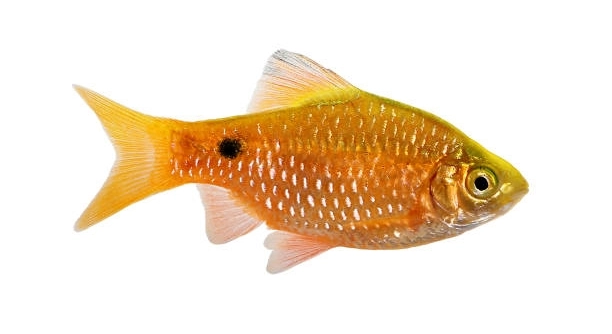
Is your rosy barb always digging around the bottom of the tank? Many fish owners notice this behavior and wonder what it means. Rosy barbs are active fish that often explore their environment by digging in the substrate.
Rosy barbs dig primarily to search for food, create hiding spots, and establish territory. This behavior is natural and helps them feel secure. However, excessive digging may indicate stress, poor water conditions, or insufficient enrichment in the aquarium.
Understanding why your rosy barb digs can help you improve its environment and well-being. There are simple adjustments that can make a big difference in your fish’s comfort and health.
Common Reasons Rosy Barbs Dig
Rosy barbs dig for several practical reasons. First, they often search for food hidden in the gravel or substrate. This natural instinct helps them find small bits of leftover food or tiny organisms. Second, digging helps them create comfortable spaces to rest or hide. In the wild, this behavior protects them from predators. Lastly, digging is a way to mark their territory, especially if there are other fish nearby. This behavior helps reduce stress by establishing boundaries. If your tank lacks plants or hiding spots, your rosy barb may dig more to feel safe. Another reason is boredom or excess energy—if they don’t have enough to do, digging becomes a way to stay active. Watching this behavior regularly is normal, but sudden changes or excessive digging could indicate other issues that need attention in your aquarium setup.
Excessive digging can also be a sign of poor water quality or discomfort.
Adjusting the tank environment, like adding plants or improving water conditions, often reduces digging and helps the fish feel more secure and less restless.
How Tank Setup Affects Digging
Tank size and decor play a big role in how much your rosy barb digs.
If the tank is too small or lacks hiding places, your fish may dig more to feel safe. Plants, rocks, and decorations give them spots to explore and relax. Soft substrates like sand encourage natural digging without harming the fish, unlike rough gravel. A well-planted tank reduces stress and limits digging by providing comfort. Also, water quality affects digging behavior. Poor water conditions cause discomfort, making fish restless and prone to digging. Regular water changes and good filtration help keep the environment healthy. Watching your fish’s behavior closely helps you identify if digging is natural or a sign of a problem.
Creating a balanced and comfortable tank environment lowers stress and keeps your rosy barb happy. Consider adding live plants, hiding spots, and maintaining clean water. These simple changes often stop excessive digging and improve the overall health of your fish. Giving your rosy barb a natural habitat encourages calm behavior and lets you enjoy a peaceful aquarium.
Signs of Stress in Rosy Barbs
Stress can cause your rosy barb to dig more than usual. Watch for changes in color, reduced appetite, or hiding more than normal. These signs indicate your fish is uncomfortable and needs attention.
Stress often comes from poor water quality, overcrowding, or sudden changes in the tank environment. If water parameters like temperature, pH, or ammonia levels are off, your fish will feel uneasy. Overcrowding causes competition for space and resources, increasing stress. Sudden loud noises or vibrations near the tank can also upset your fish.
Addressing these stress factors quickly can stop excessive digging and improve your rosy barb’s health. Keep water clean, avoid overcrowding, and maintain a stable environment to reduce stress and promote natural behavior in your fish.
Feeding and Digging Behavior
Rosy barbs often dig when searching for food at the bottom of the tank. Uneaten food trapped in the substrate encourages this behavior. Feeding the right amount helps reduce unnecessary digging.
If you feed too much or leave food sinking to the bottom, your rosy barb will keep digging to find leftovers. Overfeeding can pollute the tank, increasing ammonia and making your fish uncomfortable. Feeding small amounts more frequently ensures your fish eat everything without leftover waste. Also, using sinking pellets or carefully distributing flakes helps control where food lands.
Changing feeding habits can reduce digging and improve water quality. By managing food quantity and type, you help your rosy barb stay healthy and less restless. Regular tank cleaning combined with proper feeding keeps your fish environment stable and enjoyable.
Substrate Preferences
Rosy barbs prefer soft, fine substrates like sand or smooth gravel. Rough or sharp substrates can discourage digging and cause injuries.
Using the right substrate encourages natural behavior and keeps your fish safe. It also makes cleaning easier and prevents trapped debris.
Tank Mates and Digging
Certain tank mates can influence your rosy barb’s digging behavior. Aggressive or territorial fish may stress them out, causing more digging.
Choosing peaceful, compatible tank mates helps reduce stress and creates a calm environment where your rosy barb feels secure.
Environmental Enrichment
Adding plants, rocks, and decorations reduces digging by providing hiding spots and stimulation. A well-decorated tank keeps your fish busy and comfortable.
Providing variety in the tank mimics natural habitats and promotes healthy, less restless behavior in rosy barbs.
FAQ
Why does my rosy barb dig constantly even when the tank looks fine?
Constant digging can be a sign your fish is stressed or bored despite a clean tank. Sometimes, the environment lacks enough stimulation or hiding spots. Rosy barbs are naturally active and curious, so if the tank is too plain or small, they dig to explore and feel secure. Also, subtle water issues like incorrect pH or temperature can cause discomfort. Checking water parameters regularly and adding plants or decorations can help reduce digging.
Is digging harmful to my rosy barb or the tank?
Digging itself is a normal, natural behavior for rosy barbs and usually not harmful. However, excessive digging can stir up debris, cloud water, and disturb plants or decorations. If the substrate is sharp or rough, digging might injure the fish’s barbels or fins. Using soft substrates and monitoring digging intensity helps prevent harm. If digging becomes destructive or extreme, it may indicate stress or other issues needing attention.
Can poor water quality cause digging behavior?
Yes, poor water quality is a common reason for increased digging. High ammonia, nitrite, or nitrate levels can make your fish uncomfortable and restless. In response, they may dig more to escape the unpleasant conditions. Testing your water frequently and doing regular water changes will keep the tank healthy and reduce stress-related digging. Proper filtration and avoiding overfeeding also maintain good water quality.
How much substrate should I have for rosy barbs to dig safely?
A layer of about 2-3 inches of fine gravel or sand is ideal. This depth allows your fish to dig and sift naturally without disturbing too much sediment or causing stress. Too little substrate means less space to dig, while too much can trap waste and complicate cleaning. Keeping the substrate balanced promotes healthy behavior and easy maintenance.
Does feeding affect digging behavior?
Yes, feeding habits directly impact digging. If too much food sinks to the bottom, rosy barbs dig to find leftovers. Overfeeding can also lead to poor water quality, increasing digging due to stress. Feeding small, measured amounts and removing uneaten food reduces digging and keeps the tank cleaner. Using sinking pellets or controlled feeding helps manage this behavior.
Can tank size influence digging?
Smaller tanks can increase digging as fish feel cramped and stressed. Rosy barbs need enough space to swim and explore. A tank of at least 20 gallons for a small group provides room to move and reduces stress-related digging. More space also allows adding plants and decorations, which help limit digging by providing hiding spots.
Are there specific plants or decorations that reduce digging?
Yes, live plants like Java fern, Anubias, or floating plants offer hiding places and visual barriers. Rocks and driftwood create natural boundaries that calm your fish. These additions keep rosy barbs busy exploring rather than digging constantly. Avoid sharp or unstable decorations that could harm the fish during digging.
What should I do if digging causes too much mess in the tank?
Regular cleaning helps control mess from digging. Vacuum the substrate gently during water changes to remove disturbed debris. Adjust feeding to prevent excess waste and consider adding more plants to stabilize the substrate. If digging remains excessive, review water quality and tank setup for possible stress causes.
Is digging linked to breeding behavior?
Sometimes, rosy barbs dig more during breeding periods to prepare spawning sites or clear space. This behavior is temporary and usually decreases after spawning. If you notice increased digging along with other signs like chasing or color changes, breeding could be the cause.
How can I tell if digging is due to boredom?
If your rosy barb digs when there is no food in the substrate, the tank is clean, and water parameters are good, boredom is likely. Adding toys, plants, and rearranging the tank occasionally gives your fish new things to explore. This enrichment reduces repetitive digging caused by lack of stimulation.
Can aggressive tank mates increase digging?
Yes, aggressive or territorial fish can stress rosy barbs, leading to more digging as an escape or defensive behavior. Choosing peaceful, compatible species reduces stress and excessive digging. Watch interactions closely and separate fish if bullying occurs.
Does lighting affect digging?
Strong or inconsistent lighting can stress fish, sometimes increasing digging. Rosy barbs prefer moderate lighting with natural day-night cycles. Using timers and avoiding harsh lights helps keep them calm and reduces restless digging.
Should I change the substrate type if digging becomes a problem?
Switching to a softer substrate like sand often reduces digging stress and injury risks. It also allows natural digging without sharp edges. If you change the substrate, do it gradually to avoid shocking your fish and ensure the new substrate is clean and safe.
Can digging cause injuries?
With rough or sharp substrates, digging can cause small cuts or damage to fins and barbels. Soft substrates and smooth decorations reduce this risk. Monitor your fish for signs of injury like torn fins or redness and act promptly if problems appear.
How often should I test water to prevent digging related to stress?
Testing water weekly is a good practice for detecting issues early. Checking pH, ammonia, nitrite, and nitrate levels helps maintain a healthy environment. Consistent water quality reduces stress-related digging and keeps your fish comfortable.
Can digging behavior be completely stopped?
No, digging is a natural behavior for rosy barbs and should not be completely stopped. The goal is to manage and reduce excessive digging caused by stress or boredom. Providing a balanced tank environment encourages healthy, normal digging without problems.
Rosy barbs digging is a normal part of their behavior. They dig to look for food, explore their environment, and create safe spaces. This activity helps them feel comfortable and secure in the tank. While some digging is natural, it’s important to watch how often and how much they dig. Too much digging can be a sign that something in the tank needs attention, such as water quality, tank size, or the amount of decorations and plants. Keeping an eye on these factors helps you make sure your fish stays happy and healthy.
A well-set-up tank can reduce excessive digging. Using a soft substrate like sand or smooth gravel lets your rosy barb dig safely. Adding live plants, rocks, and hiding spots provides places for your fish to rest and explore without digging too much. Also, maintaining good water quality with regular testing and water changes is key. Clean water lowers stress and makes your fish feel at ease. Feeding your rosy barb the right amount and type of food keeps them from digging for leftovers. Managing these simple things makes a big difference in your fish’s behavior.
If your rosy barb still digs a lot, it may be showing signs of stress or boredom. Stress can come from poor water conditions, overcrowding, or aggressive tank mates. Bored fish often dig because they have nothing else to do. Observing your fish carefully will help you understand the reason behind the digging. Small changes like rearranging decorations or adding new plants can give your fish new things to explore and reduce digging. Overall, providing a balanced and comfortable environment is the best way to keep your rosy barb calm and healthy while allowing natural digging behavior in moderation.

Hello,
If you enjoy the content that we create, please consider saying a "Thank You!" by leaving a tip.
Every little bit helps us continue crafting quality advice that supports the health, happiness, and well-being of pets around the world, for pets of all shapes, sizes, and species.
We really appreciate the kindness and support that you show us!