
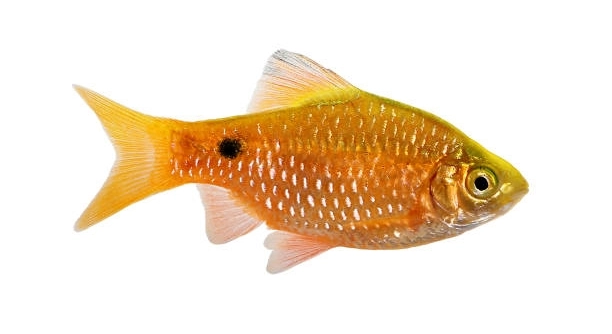
Is your rosy barb often seen swimming near the top of the tank? Many fish owners notice this behavior and wonder what it means. This common observation can have several explanations related to the fish’s health and environment.
Rosy barbs staying at the top of the tank usually indicate a need for more oxygen or a response to water quality issues. They may also be seeking food or showing natural swimming behavior, but persistent surface activity often signals underlying tank conditions that need attention.
Knowing why your fish behaves this way can help you provide better care. The following information will explain common causes and simple solutions to keep your rosy barb comfortable and healthy.
Lack of Oxygen at the Surface
When rosy barbs spend a lot of time at the top of the tank, it often means they are trying to get more oxygen. Water near the surface usually has more oxygen because it exchanges with the air. If the tank’s oxygen levels are low, fish naturally swim higher to breathe easier. Poor water circulation, overcrowding, or high temperatures can reduce oxygen in the tank. Plants and decorations can also affect water flow. Regular water changes and using an air pump or filter that stirs the water can help increase oxygen. Watching your fish closely can give clues about the tank’s air quality before any serious problems start.
Low oxygen levels make fish uncomfortable and stressed, so it’s important to fix the issue quickly.
Keeping oxygen levels balanced helps your rosy barb stay active and healthy. Proper tank maintenance is key to preventing this problem and ensuring your fish enjoy their environment.
Water Quality Issues
Poor water quality often makes fish stay near the surface. Waste buildup, high ammonia, or nitrite levels can harm fish, causing them to gasp for air at the top. Testing the water regularly is important to catch problems early. Using water conditioners and performing routine water changes keeps the tank clean.
Fish are very sensitive to changes in their environment, and dirty water can quickly affect their health. Signs like lethargy, loss of appetite, or unusual swimming patterns often come with poor water conditions. Maintaining a proper filtration system and avoiding overfeeding can reduce waste buildup. Cleaning the tank gravel and decorations also prevents harmful substances from accumulating.
Taking these steps creates a safer home for your rosy barb. Clean water helps fish breathe easily and stay energetic. Checking water parameters like pH, ammonia, nitrites, and nitrates should be part of regular care. This practice keeps the tank balanced and your fish happy. If water quality problems persist, your fish might stay near the surface more often as a sign of distress. Addressing these concerns quickly improves their well-being and overall tank health.
Seeking Food at the Surface
Rosy barbs often swim at the top when they expect to be fed.
They learn to associate the water surface with feeding time, especially if they are fed flakes or pellets that float. This behavior is normal and shows they are alert and ready to eat. However, if they stay at the top constantly, it might mean they are not getting enough food or the right type of nutrition.
Feeding small amounts several times a day instead of one large meal helps. It also reduces waste and keeps the fish interested in eating. A balanced diet with varied foods supports their health and reduces the need to beg at the surface all the time.
Natural Swimming Behavior
Rosy barbs are active swimmers that like the upper levels of the tank.
They naturally explore all parts of their environment, but many prefer the middle and top zones. This behavior can be linked to their need to find food, interact with tank mates, or avoid stress at the bottom. Bright lighting and open swimming spaces encourage them to stay higher.
Tank setup affects how much time rosy barbs spend near the surface. Plants, decorations, and hiding spots can influence their swimming patterns. Understanding these habits helps keep them comfortable and happy in their home. Providing a well-balanced environment allows them to show natural behaviors and enjoy their space fully.
Stress and Tank Conditions
Stress can cause rosy barbs to stay near the surface.
Changes in water temperature, tank mates, or poor hiding spots may make them feel unsafe.
Temperature Preferences
Rosy barbs prefer temperatures between 68°F and 78°F. Water that is too warm or too cold can cause discomfort. Maintaining a stable temperature helps prevent stress and keeps them swimming naturally throughout the tank.
Illness or Parasites
If your rosy barb stays at the top and shows other signs like clamped fins or lethargy, it might be sick. Prompt attention and water testing are important to catch illness early.
Why is my rosy barb always at the top of the tank?
Rosy barbs often swim near the surface to find more oxygen, especially if the tank’s oxygen levels are low. They may also be waiting for food if they have learned to expect feeding at the top. Sometimes, poor water quality or stress can push them to stay near the surface as well. It’s important to check the tank’s conditions to make sure everything is balanced and safe for your fish.
Is it normal for rosy barbs to stay near the surface?
Yes, it can be normal for rosy barbs to spend time at the top of the tank. They are active swimmers and naturally explore all levels of their environment. They often search for food near the surface, where flakes or pellets float. However, if they stay at the surface constantly, it might signal a problem such as poor water quality or low oxygen.
How do I increase oxygen levels in my aquarium?
To increase oxygen, improve water circulation using a filter or air pump. Surface agitation helps oxygen mix into the water. Avoid overcrowding the tank and keep water temperature stable, as warm water holds less oxygen. Adding live plants can also improve oxygen levels during the day. Regular water changes keep oxygen levels steady and reduce waste buildup.
Could poor water quality cause my rosy barb to stay at the top?
Yes. High levels of ammonia, nitrites, or nitrates can harm fish and make them stay near the surface gasping for air. Waste buildup and lack of proper filtration cause water quality to drop quickly. Testing water parameters regularly and performing water changes helps keep the tank clean and safe. Treating water properly prevents stress and illness.
How often should I test my aquarium water?
Testing your water at least once a week is a good habit, especially in new tanks or if you notice strange behavior. Check for pH, ammonia, nitrites, and nitrates. Consistent testing helps catch issues before they become serious and allows you to maintain a stable environment for your fish.
Can feeding habits affect my rosy barb’s behavior?
Yes. Rosy barbs learn to expect food at the surface and may wait there if feeding is irregular. Overfeeding can pollute the water, but underfeeding can cause them to stay near the top looking for food. Feed small amounts several times a day to keep your fish healthy and reduce waste buildup.
What tank temperature is best for rosy barbs?
Rosy barbs do best between 68°F and 78°F (20°C to 26°C). Temperatures outside this range can cause stress and change their swimming habits. Use a reliable heater and thermometer to keep temperature steady and comfortable.
Could stress cause my rosy barb to stay at the top?
Yes, stress from poor water conditions, aggressive tank mates, or lack of hiding places can make rosy barbs stay near the surface. Stress weakens their immune system, making them more prone to illness. Creating a calm environment with enough space and plants can reduce stress.
When should I worry about my rosy barb’s behavior?
If your fish stays at the surface for long periods and shows other signs like gasping, clamped fins, loss of appetite, or lethargy, it could mean illness or poor water conditions. Immediate water testing and tank cleaning are necessary. If symptoms continue, seek advice from a vet or aquarium specialist.
Can tank setup influence where rosy barbs swim?
Definitely. Open swimming space, lighting, and decorations affect their movement. Rosy barbs like exploring but need places to hide to feel safe. Too little cover may cause stress, while too many decorations can limit swimming space. A balanced setup keeps them comfortable and active throughout the tank.
How do I know if my rosy barb is sick?
Signs of illness include staying at the surface while gasping for air, clamped fins, faded colors, slow movements, or unusual spots on their body. Early detection and treatment improve recovery chances. Maintaining good water quality is the best prevention against illness.
What is the best way to care for rosy barbs?
Regular water changes, proper feeding, maintaining temperature, and monitoring water quality are essential. Provide a well-planted tank with enough room to swim. Avoid overcrowding and keep compatible tank mates to reduce stress. Observing your fish daily helps catch problems early and keeps them healthy.
Can other fish affect my rosy barb’s behavior?
Yes. Aggressive or territorial tank mates can cause stress, making rosy barbs hide or stay at the surface. Choose peaceful companions and watch their interactions. Sometimes rearranging the tank or adding plants helps create safe zones and reduces stress for all fish.
Is it okay if rosy barbs occasionally swim at the surface?
Yes, occasional surface swimming is normal behavior, especially around feeding times or during active swimming. It becomes a concern only if it happens constantly or with signs of distress. Paying attention to overall fish health helps decide when to act.
When your rosy barb spends a lot of time near the top of the tank, it usually signals something about its environment or health. This behavior is often linked to oxygen levels, water quality, feeding habits, or stress. Paying close attention to your fish’s actions can help you understand what it needs. Regular maintenance of the tank, including water changes and monitoring temperature and water parameters, is key to creating a healthy home for your fish. Small changes, like improving water circulation or adjusting feeding schedules, can make a big difference.
Taking care of a rosy barb means observing both its behavior and the condition of the tank. When fish show signs like staying at the surface for long periods or gasping for air, it’s important to check oxygen levels and water cleanliness. Good filtration and proper aeration help keep the water healthy and safe. Also, providing the right temperature range and enough space reduces stress. Stress can weaken fish and lead to illness, so making your tank a calm environment is just as important as keeping it clean.
Keeping rosy barbs comfortable requires consistent care and attention. It’s normal for them to swim near the surface sometimes, especially when feeding or exploring. However, persistent surface activity may indicate a problem that needs fixing. By regularly testing water, feeding balanced meals, and creating a tank setup with open swimming space and hiding places, you support your fish’s well-being. Watching how your rosy barb acts every day helps you spot issues early and keeps your fish happy and healthy for the long term.

Hello,
If you enjoy the content that we create, please consider saying a "Thank You!" by leaving a tip.
Every little bit helps us continue crafting quality advice that supports the health, happiness, and well-being of pets around the world, for pets of all shapes, sizes, and species.
We really appreciate the kindness and support that you show us!