
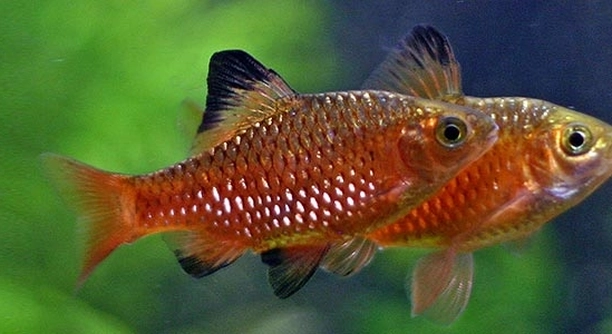
Are your rosy barbs suddenly acting nervous or hiding more than usual? Many fish owners notice this behavior and wonder what might be causing it. Understanding their skittishness can help improve their comfort and wellbeing.
Rosy barbs often become skittish due to sudden changes in their environment, such as water quality shifts, loud noises, or the presence of new tank mates. Stress from these factors triggers their natural instinct to hide and avoid potential threats.
Knowing the common causes of their behavior can help you create a calm and safe space for your fish. This article will guide you through simple steps to ease your rosy barb’s anxiety and keep them happy.
Common Environmental Triggers for Skittish Behavior
Rosy barbs are sensitive to changes in their surroundings. Sudden loud noises, rapid movements near the tank, or bright flashing lights can make them feel threatened. They rely heavily on stable water conditions, so shifts in temperature, pH levels, or ammonia can stress them out. Introducing new fish without proper acclimation often causes them to hide or swim nervously. Even rearranging decorations or changing the tank’s layout may unsettle them. These fish are naturally alert and quick to react to anything unfamiliar. Their skittish behavior is a survival instinct designed to protect them from predators in the wild. Creating a calm, consistent environment helps reduce this stress. Monitoring water parameters regularly and avoiding sudden changes will make your rosy barbs feel safer. Providing hiding spots, such as plants or caves, also gives them a place to retreat when needed.
Environmental stressors often cause skittishness in rosy barbs, but maintaining stability helps calm them.
By understanding these triggers, you can minimize stress for your rosy barbs. Ensuring gentle handling during tank maintenance and avoiding loud noises nearby also helps. Use a water testing kit weekly to keep conditions ideal. When adding new fish, float their bag in the tank for at least 30 minutes to adjust temperature. Avoid overcrowding, as too many fish can cause competition and anxiety. Consistent feeding times contribute to a peaceful routine. Observing your barbs closely will help you notice subtle signs of distress early. With patience and care, your rosy barbs will settle down and swim confidently again.
Health Factors Affecting Rosy Barb Behavior
Sometimes, skittish behavior signals a health problem. Illnesses like parasites, fin rot, or swim bladder issues can make fish act nervous or weak. Poor diet or nutrient deficiencies also affect their energy and mood. If you notice rapid gill movement, discoloration, or clamped fins alongside nervousness, a vet check or water quality review may be needed. Keeping the tank clean and feeding a balanced diet supports their immune system. Quarantining new fish before adding them helps prevent disease spread. A healthy rosy barb is more relaxed and interactive in its environment. Recognizing health-related stress early is key to effective treatment and recovery.
Watch for changes in appearance or appetite as signs of health problems.
Regular observation and good care prevent illness. Clean the tank by changing 20% of the water weekly and remove uneaten food promptly. Provide a variety of foods like flakes, pellets, and occasional live or frozen treats for balanced nutrition. If illness is suspected, isolate affected fish and consult an aquatic specialist. Early attention keeps your rosy barbs lively and reduces skittishness caused by discomfort or pain.
Tank Setup and Its Impact on Behavior
A poorly arranged tank can make rosy barbs uneasy. Lack of hiding places or too much open space causes stress and skittish swimming.
Adding plants and decorations gives your fish places to feel safe. Use sturdy plants and smooth objects to avoid injury. A well-planted tank mimics their natural habitat, helping them relax. Make sure there is enough swimming room so they don’t feel crowded. Avoid sharp edges or rough surfaces that could harm their fins. Soft lighting reduces sudden glare that startles them. Regularly check that filters don’t create strong currents, as rosy barbs prefer gentle water flow. A balanced tank setup encourages confident and calm behavior.
Consistency in tank layout is important. Frequent rearrangement can confuse your fish and trigger nervousness. Keeping the environment familiar helps rosy barbs feel secure and reduces their skittishness over time.
Social Behavior and Interaction
Rosy barbs are schooling fish and need companions to feel safe. Keeping them in small groups of five or more reduces anxiety and encourages natural behavior.
When kept alone or in very small numbers, they tend to hide and dart nervously. Group living provides a sense of security and allows them to display playful, social swimming. Introducing new fish gradually helps prevent aggression. Avoid mixing them with overly aggressive species that could intimidate them. Observe how they interact; if bullying occurs, separate the aggressive fish. Providing enough space and hiding spots supports peaceful coexistence. Social interaction is key to their well-being and reduces stress-related skittishness.
Feeding Habits and Their Effects
Inconsistent feeding schedules can make rosy barbs restless. They rely on routine to feel secure and comfortable in their environment.
Overfeeding or poor-quality food may also cause stress. Stick to a balanced diet and feed small amounts twice a day to keep them calm.
Lighting and Its Role in Fish Comfort
Bright or flickering lights can frighten rosy barbs, causing skittish behavior. Using a dimmer or adjustable lighting helps create a more natural and soothing environment for them.
Proper lighting supports their natural rhythms and reduces stress, making them more relaxed and confident in the tank.
Importance of Water Quality
Poor water quality is one of the top reasons for nervous fish behavior. Regular testing and maintenance keep conditions stable and healthy.
Clean water prevents disease and discomfort, helping your rosy barbs stay calm and active.
Recognizing Signs of Stress
Erratic swimming, hiding constantly, or loss of appetite are clear signs your fish may be stressed.
Early attention to these signs can prevent bigger problems and improve their overall health and behavior.
Why is my rosy barb hiding all the time?
Rosy barbs often hide when they feel stressed or threatened. Changes in water conditions, loud noises, or new tank mates can make them nervous. If the tank lacks enough plants or decorations, they might not have a safe spot to feel secure. Make sure the water temperature and pH are stable, and provide hiding places like plants or caves. Reducing sudden movements or loud sounds near the tank also helps. Once your barbs feel safe, they will come out more often and show normal behavior.
Can sudden noises make rosy barbs skittish?
Yes, rosy barbs are sensitive to loud or sudden noises. These sounds can startle them and trigger a flight response. It’s best to keep the area around the tank quiet and avoid banging or tapping on the glass. Soft background noise, like calm music, is usually okay. A calm environment helps them feel safe and lowers stress.
How often should I change the water to keep rosy barbs calm?
Changing 20% to 30% of the water weekly is ideal for rosy barbs. This keeps the water clean and removes toxins that cause stress. Avoid changing all the water at once, which can shock the fish. Use a water conditioner to remove chlorine and adjust the temperature of new water before adding it. Regular partial water changes keep the environment stable and help rosy barbs stay relaxed.
Does tank size affect how nervous rosy barbs get?
Tank size matters a lot. Rosy barbs need at least a 20-gallon tank for a small group. A cramped tank makes them feel trapped and stressed, causing skittish behavior. Larger tanks provide more swimming space and allow room for plants and hiding spots. This helps them feel more secure and reduces nervousness.
Will mixing rosy barbs with other fish cause them to act skittish?
It depends on the tank mates. Rosy barbs are peaceful but active fish, so aggressive or very shy species can stress them out. Avoid housing them with aggressive cichlids or slow-moving fish that get bullied. Compatible tank mates like danios, tetras, or other barbs usually reduce stress. Watch how your fish interact and separate any fish that cause trouble.
Can water temperature changes cause skittish behavior?
Yes, sudden changes in water temperature can stress rosy barbs. They prefer temperatures between 64°F and 72°F (18°C to 22°C). If the water gets too cold or too warm quickly, it can weaken their immune system and make them anxious. Use a reliable heater and thermometer to keep the temperature stable.
How do I know if my rosy barb is sick and that’s why it’s skittish?
Signs of illness include faded colors, clamped fins, rapid breathing, or spots on the body. Sick fish often hide more and may stop eating. If you notice these symptoms, test the water and check for disease. Quarantining the affected fish and treating with medication can help. Keeping the tank clean and feeding good-quality food prevents many illnesses.
Are there natural ways to reduce rosy barb stress?
Yes, adding live plants and providing gentle water flow helps mimic their natural habitat. Plants offer hiding spots and make them feel secure. Using a sponge filter reduces strong currents that can tire them. Feeding a varied diet and keeping a stable routine also lowers stress. Patience and observation help you spot problems early and keep your fish comfortable.
Can bright lighting make rosy barbs nervous?
Bright, flickering lights can cause nervous behavior. Use adjustable lighting or softer bulbs to reduce glare. Turning off lights gradually instead of suddenly can also help. A consistent day-night cycle supports their natural rhythms and keeps them calm.
What should I do if my rosy barbs continue to be skittish despite good care?
Sometimes, fish need time to adjust after changes like moving tanks or adding new tank mates. Make sure the environment is stable, water quality is good, and they have enough space. If skittishness persists for weeks, consider consulting an aquatic specialist. They can check for hidden health problems or suggest changes to the setup. Patience and consistent care usually improve their behavior over time.
Taking care of rosy barbs means paying attention to their environment and health to keep them calm and comfortable. These fish naturally react to changes around them, so creating a steady and peaceful tank setup is very important. Stable water conditions, quiet surroundings, and enough hiding spots help reduce their nervous behavior. When fish feel safe, they swim more freely and show their true colors. Making sure their tank is clean, their diet is balanced, and they have companions of their own kind also plays a big part in their wellbeing.
Sometimes skittish behavior can point to health problems. Watching for signs like changes in color, breathing patterns, or appetite can help catch illness early. Quick action and good tank hygiene can prevent many common diseases. It’s also important to keep the tank size appropriate and avoid overcrowding. Rosy barbs need room to swim and a place to retreat when they feel threatened. If the fish continue to act nervously despite good care, consulting an expert might be needed to identify any hidden issues. Overall, paying attention and being patient makes a big difference in helping these fish settle and thrive.
Understanding why rosy barbs act skittish helps improve their quality of life. By addressing environmental triggers, health concerns, and social needs, owners can reduce their fish’s stress. This leads to happier, healthier fish that show more natural behavior and interact well in their community. Regular monitoring and small adjustments create a positive space for your rosy barbs to grow comfortable and confident. Taking time to observe and learn about their needs builds a stronger connection with your fish and makes caring for them more rewarding.

Hello,
If you enjoy the content that we create, please consider saying a "Thank You!" by leaving a tip.
Every little bit helps us continue crafting quality advice that supports the health, happiness, and well-being of pets around the world, for pets of all shapes, sizes, and species.
We really appreciate the kindness and support that you show us!