
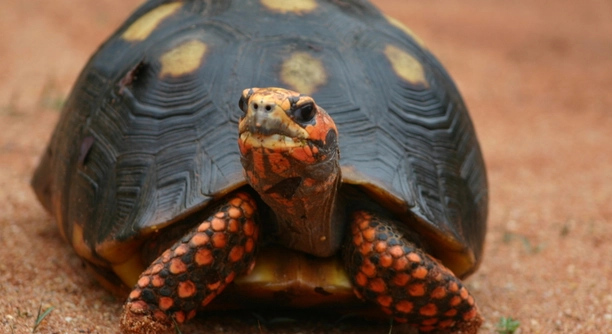
A red-footed tortoise may try to climb out of its tank for several reasons. Understanding its behavior can help ensure it stays healthy and happy in its enclosure. Let’s explore the reasons behind this behavior.
The primary reason for a red-footed tortoise attempting to climb out of its tank is environmental stress. This could include inadequate tank size, temperature fluctuations, or insufficient hiding spots. A tortoise may also try to escape if it’s feeling threatened or uncomfortable.
Understanding the factors influencing your tortoise’s behavior can help prevent escape attempts and improve its living conditions.
Why Is My Red-Footed Tortoise Trying to Escape?
There are a few key reasons why your red-footed tortoise might be trying to climb out of its tank. Often, it’s a sign that something is not quite right in its environment. Tortoises are naturally curious, but they can become frustrated or anxious if they feel trapped or uncomfortable. If the tank is too small, lacks sufficient enrichment, or has improper temperature and humidity levels, your tortoise may try to escape in search of a better environment. It’s essential to consider these factors and adjust accordingly to keep your tortoise happy and healthy.
When a tortoise feels stressed, it may also start showing other signs of discomfort like reduced appetite or erratic behavior. Ensuring that the tank is spacious enough and provides the correct heat gradients can make a big difference. It’s important to keep in mind that tortoises need both warm areas to bask and cooler areas to regulate their body temperature.
Many red-footed tortoises are more likely to attempt an escape if their habitat lacks proper stimulation or socialization. Tortoises are not just solitary creatures; they need mental stimulation to prevent boredom. Consider adding plants, logs, or other structures that allow your tortoise to explore and hide. Additionally, providing a place for it to burrow can offer comfort and a sense of security. If these needs are met, it can significantly reduce the likelihood of escape attempts.
How to Improve Your Tortoise’s Habitat
Ensuring your tortoise’s environment is both comfortable and stimulating will help reduce escape behavior. Keep its tank clean and monitor the temperature closely.
A larger tank that includes hiding spots, climbing areas, and access to a variety of textures will make the tortoise feel more at home. Regularly check that humidity and temperature levels are appropriate for its species to avoid environmental stress.
Tank Size and Its Impact
If your tank is too small, your red-footed tortoise might feel confined and look for a way out. A cramped space limits their natural movement and increases stress.
A proper-sized tank provides enough room for your tortoise to explore and engage in its natural behaviors. When choosing a tank, ensure it’s large enough for your tortoise to move freely, with room for basking, hiding, and roaming. A small tank can make your tortoise feel trapped, leading to more escape attempts. Larger enclosures also allow for a better environment with proper heat and humidity gradients.
In addition to size, the layout is important. Creating distinct zones within the tank, such as warm and cool areas, will help your tortoise regulate its body temperature. Using rocks, logs, and plants adds vertical space for climbing, which keeps your tortoise active and prevents boredom.
Temperature and Humidity
Temperature and humidity are essential for your tortoise’s comfort. If these are not properly managed, your tortoise may try to leave the tank to find a more suitable environment.
Maintaining the right temperature range for your red-footed tortoise is critical for its health. Ensure there is a basking spot with a temperature of around 85-90°F and a cooler area at about 75-80°F. Humidity levels should be maintained between 60-80%, as this is crucial for their skin and shell health. Without these conditions, your tortoise might become stressed, leading to climbing behaviors as a means of escape. Consider using a thermometer and humidity gauge to monitor the tank’s environment. Adjusting the heat and moisture levels can make a big difference in preventing escape attempts.
Lack of Enrichment
If your tortoise doesn’t have enough stimulation, it may try to escape in search of something more engaging. Tortoises need both physical and mental stimulation to stay content.
Consider adding more items to its tank, such as rocks, logs, or plants. These items encourage climbing, hiding, and exploring, which will keep your tortoise busy. A lack of enrichment can lead to frustration and increased escape attempts, as your tortoise may not have anything else to focus on. Adding variety to its environment helps replicate natural conditions, making it feel more at ease.
Stress and Anxiety
Stress is a major factor in escape attempts. Your tortoise may feel threatened by other pets, loud noises, or too much human interaction. Stress can also come from feeling too exposed or trapped.
Tortoises are generally calm creatures, but too much change in their environment or handling can cause anxiety. Reducing stress factors is key to preventing escape behavior. Limit sudden movements around the tank, ensure the enclosure is in a quiet space, and allow your tortoise time to adjust to its environment. A stress-free tortoise is less likely to seek an escape route.
Diet and Feeding
Improper or inconsistent feeding can make your tortoise restless. If your red-footed tortoise is not getting the proper nutrition, it may try to climb out to find food or other sources of comfort.
Ensure your tortoise’s diet is balanced and appropriate for its age and species. Overfeeding or underfeeding can also cause issues with their behavior. Additionally, avoid feeding them outside the tank to prevent them from associating the tank with hunger. Proper diet management helps keep your tortoise well-fed and satisfied, reducing escape behavior.
FAQ
Why is my red-footed tortoise trying to climb out of its tank?
Your red-footed tortoise may be trying to climb out due to discomfort or stress in its environment. If the tank is too small, lacks enrichment, or has incorrect temperature and humidity levels, it may cause your tortoise to feel confined and anxious. Properly adjusting the tank size, layout, and environmental conditions can help reduce escape attempts. Make sure there are plenty of hiding spots, climbing structures, and basking areas to keep your tortoise comfortable.
How can I make my tortoise tank more comfortable?
A comfortable tortoise tank should have enough space for your pet to move around and explore. Ensure there are areas for basking and cooling off, as well as hiding spots for security. Adding logs, rocks, and plants provides natural textures and promotes physical activity. Adjust the temperature and humidity to meet your tortoise’s specific needs, with a basking area at 85-90°F and a cooler area at 75-80°F. Monitoring these factors closely will help create a more comfortable habitat.
What temperature and humidity should I maintain for my red-footed tortoise?
Your red-footed tortoise needs a temperature gradient within its tank to regulate its body heat. The basking spot should be around 85-90°F, while the cooler area should be between 75-80°F. Humidity should be kept between 60-80% to ensure proper skin and shell health. Consistently monitoring the temperature and humidity levels will help avoid stress and discomfort that may cause escape behavior.
Can stress cause my tortoise to try to climb out?
Yes, stress can be a major factor in escape attempts. Tortoises may feel anxious if there are too many loud noises, changes in their environment, or other pets that pose a threat. Excessive handling or moving the tank frequently can also cause stress. Reducing stressors by placing the tank in a quiet area and avoiding sudden movements can make your tortoise feel more secure.
How do I prevent my tortoise from escaping?
To prevent your tortoise from trying to escape, ensure its environment is comfortable and stimulating. A larger tank with areas for climbing, hiding, and basking is essential. Regularly check the temperature and humidity levels to ensure they are within the correct range. Providing mental and physical enrichment through items like logs, plants, and rocks can help keep your tortoise entertained and reduce the desire to escape. Make sure the tank is secure with no gaps or weak points that could allow for an escape.
What kind of enrichment does my tortoise need?
Tortoises benefit from both mental and physical enrichment. Items like rocks, logs, and plants allow them to climb, explore, and hide, mimicking their natural environment. Consider adding items that encourage digging or burrowing, as this can also help with their mental stimulation. Keeping their environment dynamic, with new objects or rearranged decor, helps prevent boredom. Providing a variety of textures and activities in the tank can keep your tortoise engaged and satisfied, reducing the urge to escape.
How do I know if my tortoise is stressed?
Signs of stress in a tortoise can include erratic behavior, a loss of appetite, or attempts to climb out of its tank. If your tortoise is frequently hiding or becomes more active and restless than usual, it may be feeling anxious. You may also notice changes in its shell, such as dryness or discoloration, which can indicate stress from poor environmental conditions. Regularly observing your tortoise’s behavior will help you recognize signs of stress and take the necessary steps to address it.
Can improper feeding affect my tortoise’s behavior?
Yes, improper feeding can contribute to behavioral issues in your tortoise. Overfeeding or underfeeding can lead to restlessness or aggression. A poor diet can also affect their health, causing discomfort or malnutrition. Ensure you are providing a balanced diet that includes a variety of leafy greens, vegetables, and occasional fruit. Additionally, avoid feeding your tortoise outside the tank, as this could lead to confusion and increased climbing attempts. Proper feeding habits will help your tortoise stay healthy and content.
How can I make sure my tortoise is getting enough space?
Your tortoise needs enough room to move around, bask, hide, and explore. A general rule is to provide a tank that is at least 10 times the size of your tortoise’s shell length. For example, if your tortoise’s shell is 6 inches long, the tank should be at least 60 inches in length. A larger enclosure helps prevent your tortoise from feeling trapped and encourages natural behaviors. Additionally, the tank should be properly structured with areas for different temperatures and a variety of textures to explore.
Can my red-footed tortoise share a tank with another tortoise?
Red-footed tortoises can share a tank, but it depends on their personalities. Some tortoises may get along well in the same space, while others may become territorial or aggressive. If you choose to house multiple tortoises together, ensure the tank is large enough to accommodate them, with enough basking and hiding spots for each. Monitor their behavior closely to make sure they are not fighting or stressing each other out. In some cases, it may be better to house them separately to prevent conflict.
Final Thoughts
Understanding why your red-footed tortoise is trying to climb out of its tank can be a helpful first step in making sure it’s comfortable. Most of the time, it’s related to environmental factors such as stress, lack of space, or improper tank conditions. Providing a proper habitat, both physically and mentally stimulating, is essential to prevent escape attempts. Regularly checking on things like temperature, humidity, and overall tank setup can make a big difference. Small adjustments can help ensure that your tortoise feels safe and content in its home.
It’s also important to keep in mind that tortoises, like any pet, need a bit of routine and consistency. Stress can arise from unexpected changes, loud noises, or too much handling. Making sure your tortoise has a quiet, stable environment will go a long way in making it feel secure. Along with this, it’s crucial to provide the proper diet and enrichment. Boredom is a common reason for escape attempts, and by adding logs, rocks, plants, or even digging spots to the tank, you’ll keep your tortoise busy and mentally satisfied. It’s about balancing comfort with stimulation.
Finally, be patient with your tortoise as you work through its behavior. Changing its environment may take some time before it adapts. Ensuring it feels comfortable in its habitat is a long-term effort that will ultimately lead to a happier, less stressed tortoise. If the behavior persists, it’s always a good idea to seek advice from a vet or reptile expert to rule out any health issues that may be contributing. With the right care and attention, your red-footed tortoise can thrive in its enclosure without the need for constant climbing attempts.

Hello,
If you enjoy the content that we create, please consider saying a "Thank You!" by leaving a tip.
Every little bit helps us continue crafting quality advice that supports the health, happiness, and well-being of pets around the world, for pets of all shapes, sizes, and species.
We really appreciate the kindness and support that you show us!