
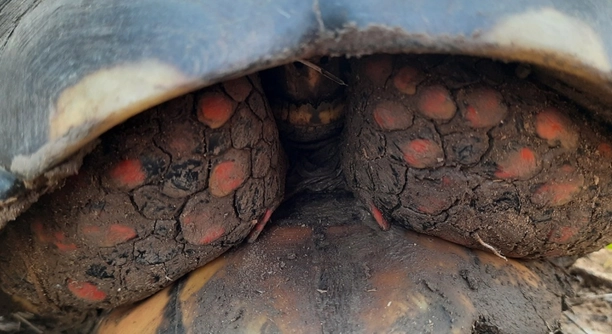
Is your red-footed tortoise constantly moving around its enclosure, making you wonder what might be causing this behavior? Pacing in tortoises can be a sign of various factors, including environmental stress, inadequate space, or natural instincts.
Red-footed tortoises may pace due to territorial behavior, mating instincts, stress, or an unsuitable enclosure. Ensuring proper space, temperature, and enrichment can help address this issue. Observing their behavior closely will help determine if adjustments to their habitat are necessary.
Understanding why your tortoise is pacing can help you create a more comfortable environment. Identifying potential triggers ensures their well-being while helping you provide the best care possible.
Common Reasons for Pacing
Red-footed tortoises may pace when they feel confined, stressed, or restless. If their enclosure is too small, they may instinctively try to find more space. Temperature fluctuations, lack of enrichment, and changes in their surroundings can also contribute to this behavior. Mating instincts can lead to increased movement, especially in males. If a tortoise sees its reflection or another tortoise nearby, it may pace in response to perceived competition. Additionally, pacing can be a sign of hunger or an attempt to find food. Understanding the underlying cause can help address the issue effectively.
A tortoise that frequently paces may benefit from a larger, well-structured enclosure with hiding spots, climbing areas, and varied terrain. Ensuring stable temperatures, proper humidity levels, and a consistent feeding schedule can also help reduce restlessness. Observing patterns in their behavior can provide insights into what changes may be needed.
If pacing becomes excessive, check for possible stressors. Avoid sudden enclosure changes, and ensure they have enough stimulation. Boredom can lead to repetitive behaviors, so adding natural elements like logs, rocks, or edible plants can help. If concerns persist, consulting a reptile veterinarian can help rule out any health issues.
How to Help Your Tortoise
If your tortoise is pacing, start by evaluating its enclosure. A space of at least 8 square feet with natural materials, such as soil and leaf litter, can provide a more comfortable environment. Adding tunnels and shaded areas helps them feel secure.
Increasing environmental stimulation is key. Red-footed tortoises enjoy exploring and need a varied landscape. Adding plants, different textures, and small obstacles can encourage natural foraging behavior. Ensure they have proper UVB lighting and temperatures between 75–85°F, with a basking spot around 90°F. A balanced diet with fresh greens, fruits, and protein sources like insects or cooked eggs can also prevent pacing caused by hunger.
If the pacing continues despite these adjustments, consider other factors. Is there a new pet or household change that might be causing stress? Has their diet or feeding schedule changed? Carefully monitoring their behavior and making gradual improvements will help them feel more secure. If the issue persists, seeking expert advice can ensure your tortoise remains happy and healthy.
Environmental Factors That Influence Pacing
A tortoise’s enclosure should mimic its natural habitat as closely as possible. Incorrect temperatures, lack of hiding spots, or too much open space can cause stress. A stable, well-balanced environment helps prevent pacing and encourages natural behaviors like burrowing and exploring.
Temperature regulation is essential. Red-footed tortoises need a temperature gradient, with a basking area around 90°F and a cooler zone around 75°F. Inconsistent temperatures can cause discomfort, making them restless. Humidity levels should stay between 70–80% to support healthy shell and skin conditions. Without proper humidity, they may become dehydrated, leading to increased activity as they search for moisture. Providing a shallow water dish and misting the enclosure helps maintain the necessary humidity.
Lighting is another important factor. UVB lighting is crucial for calcium absorption and overall health. Without it, tortoises can develop metabolic bone disease, causing discomfort and increased movement. Natural sunlight is ideal, but if using artificial UVB, ensure it covers a large portion of the enclosure. Additionally, keeping their day-night cycle consistent helps regulate their internal clock. Disruptions in lighting can lead to stress and pacing, as they try to adjust to an unfamiliar schedule.
Behavioral Reasons for Pacing
Tortoises have natural instincts that drive their movements. Mating season can lead to pacing, particularly in males, who become more active when searching for a mate. Even if kept alone, hormonal changes can cause them to move around more frequently. Recognizing this seasonal behavior can help manage expectations.
Food-seeking behavior is another possible cause. If a tortoise is used to being fed at a specific time, it may pace when anticipating food. A well-balanced diet, including leafy greens, fruits, and occasional protein, ensures they stay satisfied. Overfeeding can also lead to hyperactivity, so maintaining portion control is important. Consistency in feeding times can help regulate their behavior.
Reflections or perceived threats can also trigger pacing. If they see their reflection in the glass, they may interpret it as another tortoise. Covering reflective surfaces or using a more naturalistic enclosure setup can reduce stress. If they sense another animal nearby, providing additional hiding spots can help them feel more secure. Understanding these behaviors allows for better adjustments to their environment.
Health Concerns Related to Pacing
Excessive pacing can indicate underlying health issues. Parasites, respiratory infections, and metabolic disorders can cause discomfort, leading to increased movement. If a tortoise also shows signs like wheezing, weight loss, or lack of appetite, a veterinary checkup is necessary to rule out medical problems.
Dehydration can also contribute to restlessness. Without enough water, a tortoise may pace in search of hydration. Regular soaking, access to clean water, and maintaining proper humidity levels help prevent dehydration. If pacing is accompanied by dry skin or sunken eyes, immediate hydration measures should be taken.
When to Seek Veterinary Advice
If a tortoise’s pacing is persistent and paired with additional symptoms like lethargy or irregular eating, a vet visit is recommended. Diagnostic tests, including fecal exams and bloodwork, can help identify infections, nutritional deficiencies, or other health concerns requiring medical intervention.
Final Thoughts
A well-maintained environment, proper diet, and regular health monitoring can prevent unnecessary pacing. Identifying the cause early ensures a comfortable and stress-free life for your tortoise.
FAQ
Why is my red-footed tortoise pacing around its enclosure?
Pacing often occurs when the tortoise feels stressed, bored, or uncomfortable in its environment. This could be due to a small enclosure, inadequate temperature, or lack of enrichment. Tortoises are naturally curious and may pace when they seek food or water. Observing the behavior and adjusting the habitat can help.
Can pacing mean my tortoise is sick?
While pacing can be a sign of stress, it can also indicate a health issue. If the pacing is excessive or paired with symptoms like lack of appetite, lethargy, or weight loss, it may point to an underlying medical problem, such as dehydration or an infection. It’s best to consult a vet if you have concerns.
How do I know if my tortoise is pacing due to stress?
Stress-related pacing is often linked to environmental factors. If your tortoise is pacing more when you change its surroundings, temperature, or lighting, stress might be the cause. Tortoises are sensitive to their environment, and small changes can trigger restlessness.
Can pacing be caused by mating instincts?
Yes, especially in males, mating behavior can lead to increased pacing. This happens during breeding season or when the tortoise perceives the presence of a mate, either in person or through the reflection in its enclosure. This is natural behavior and can be observed in both solitary and multi-tortoise setups.
How can I reduce pacing in my red-footed tortoise?
To reduce pacing, ensure the enclosure is large enough, with appropriate space for movement and exploration. Add hiding spots, varied terrain, and obstacles to provide stimulation. Ensure proper temperature, humidity, and UVB lighting to create a comfortable and secure environment. Regular feeding at consistent times also helps.
Is it normal for my tortoise to pace at night?
Some tortoises may pace at night, especially if their internal clock is disturbed or if they feel unsafe. Red-footed tortoises need a consistent day-night cycle to help regulate their behavior. Ensure the enclosure is dark at night, with a proper nighttime temperature to promote rest and reduce anxiety.
How can I tell if my tortoise is pacing out of hunger?
If your tortoise paces near its food area or becomes more active during feeding time, it might be seeking food. Ensure your tortoise is on a regular feeding schedule and getting the right amount of nutrition. Overfeeding or underfeeding can also lead to pacing.
Do red-footed tortoises need a lot of space to avoid pacing?
Yes, red-footed tortoises need enough space to roam and explore. A small or cramped enclosure can lead to stress, resulting in pacing. Aim for a minimum of 8 square feet of space per tortoise. The more room you provide, the better they will adapt to their environment.
Can pacing indicate boredom in my tortoise?
Boredom can lead to repetitive pacing as your tortoise searches for something to do. Provide enrichment by adding plants, logs, and rocks for climbing and hiding. You can also offer food in different ways, such as hiding it in various spots, to keep your tortoise engaged.
How often should I change my tortoise’s enclosure?
Changing your tortoise’s enclosure layout every few months can help reduce boredom and provide stimulation. However, avoid frequent changes, as they can lead to stress. Keep the enclosure clean and ensure that temperature, humidity, and lighting remain stable for your tortoise’s well-being.
Does my tortoise need UVB lighting, and how does it affect pacing?
Yes, UVB lighting is essential for red-footed tortoises. Without proper UVB exposure, they may develop metabolic bone disease, leading to discomfort and increased movement. A lack of UVB can also cause stress, which might contribute to pacing. Make sure the UVB light is positioned to cover a significant portion of their enclosure.
Can pacing be a sign of a health issue like dehydration?
Yes, pacing can be a sign of dehydration. If your tortoise does not have access to clean water or has not been soaked in a while, it may pace in search of hydration. Regular soaking and providing a water dish in the enclosure can help prevent dehydration and reduce pacing.
Is pacing normal in a newly adopted tortoise?
It’s common for newly adopted tortoises to pace, especially if they are adjusting to a new environment. Stress from moving to a new home can cause restlessness. Give them time to acclimate, and ensure the enclosure conditions are ideal. Over time, their behavior should become more stable.
Should I be worried if my tortoise only paces during the day?
If the pacing is happening mainly during the day, it could be a sign that your tortoise is trying to find food or is responding to environmental factors like temperature or lighting. Ensure the enclosure conditions are correct and that there are enough opportunities for foraging and exploring.
Can pacing be linked to territorial behavior?
Yes, tortoises are territorial creatures, and pacing can sometimes be linked to this instinct. If your tortoise feels threatened by another tortoise or sees a reflection of itself, it may pace to establish its space. This behavior is often more noticeable when there are multiple tortoises or if the tortoise is kept alone and sees another tortoise’s image.
Final Thoughts
When observing your red-footed tortoise pacing, it’s important to consider several factors that could be influencing this behavior. While occasional pacing may be normal, persistent pacing often points to stress, discomfort, or health issues. Ensuring that your tortoise has an appropriate-sized enclosure, a proper diet, and adequate lighting can reduce the likelihood of stress-induced pacing. Proper care can help ensure that your tortoise remains healthy and comfortable.
A well-maintained habitat is essential for reducing unnecessary stress in your tortoise. Regularly check the temperature, humidity, and UVB lighting to create a stable and comfortable environment. Tortoises rely on these factors to regulate their metabolism, digestion, and overall well-being. Without them, your tortoise may feel restless and exhibit pacing as a result. Adding enrichment to the enclosure, such as hiding places, rocks, or plants, can also help prevent boredom and allow your tortoise to engage with its surroundings.
In conclusion, if your red-footed tortoise’s pacing is persistent or accompanied by other concerning symptoms like loss of appetite or lethargy, seeking veterinary advice is essential. A vet can help rule out any underlying health issues and provide guidance on how to create the most suitable environment for your pet. Early intervention and care can prevent further stress or health complications, allowing your tortoise to live a longer and healthier life. Keeping a close eye on your tortoise’s behavior and making necessary adjustments to its environment is crucial for its well-being.

Hello,
If you enjoy the content that we create, please consider saying a "Thank You!" by leaving a tip.
Every little bit helps us continue crafting quality advice that supports the health, happiness, and well-being of pets around the world, for pets of all shapes, sizes, and species.
We really appreciate the kindness and support that you show us!