
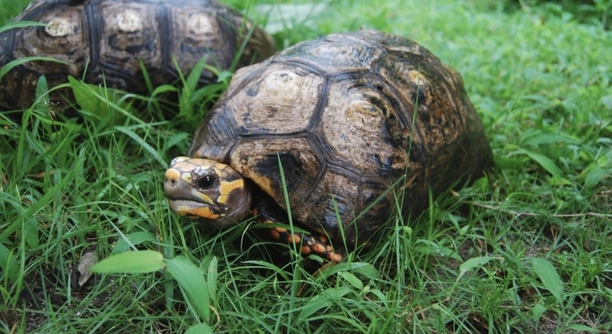
Is your red-footed tortoise ignoring its heat lamp? Many tortoise owners face this puzzling behavior. Understanding why your tortoise avoids the heat source is key to keeping it comfortable and healthy in its environment.
Red-footed tortoises may ignore their heat lamp for several reasons, including inadequate light intensity, incorrect lamp placement, or health issues. A heat lamp that isn’t hot enough or too far away may not attract the tortoise’s attention.
There are simple adjustments to make that can encourage your tortoise to bask properly under its heat source. Identifying the cause will lead to a solution that keeps your tortoise happy and healthy.
Possible Reasons Your Red-Footed Tortoise Ignores Its Heat Lamp
A common reason for a tortoise ignoring its heat lamp is improper heat levels. If the lamp doesn’t reach the necessary temperature, your tortoise may not feel the need to bask. Red-footed tortoises require temperatures between 85°F and 90°F during the day. If the lamp isn’t providing enough heat or if it’s positioned incorrectly, your tortoise may avoid it.
In some cases, your tortoise might prefer other areas of its enclosure. Make sure the lamp is placed at the right height. It should be close enough to provide adequate warmth without being too hot. If the lamp is too far away, your tortoise may not be attracted to it.
If your tortoise still refuses to use the heat lamp despite correct placement and temperature, it could be due to stress or health issues. Any changes in behavior could indicate something’s wrong, like a recent move, a change in diet, or even signs of illness. Keep an eye out for other unusual behaviors.
How Lamp Position and Type Matter
Positioning the heat lamp correctly can make a huge difference in your tortoise’s behavior. Make sure it’s not too close or too far away.
The type of lamp you use also matters. A UVB lamp combined with heat is ideal for red-footed tortoises. UVB helps them absorb calcium, and the right heat encourages healthy digestion and activity. Without UVB, your tortoise may be reluctant to bask, as it won’t get the full benefits. This means your tortoise might ignore the lamp altogether.
In addition to UVB, ensure the lamp is not too intense or too weak. Too much heat could overwhelm your tortoise, and too little could leave it feeling cold. A good balance will make your tortoise more likely to enjoy basking under the light. Take time to check the temperature regularly to ensure it stays in the appropriate range.
Health Issues to Consider
If your red-footed tortoise continues to ignore the heat lamp, it could be a sign of something more serious. Illness or discomfort may prevent them from seeking warmth. A tortoise not basking could be showing signs of dehydration, respiratory infections, or other health problems.
Look for signs like lethargy, lack of appetite, or abnormal breathing. If you notice any of these symptoms, it’s important to visit a veterinarian. It’s always better to catch potential health issues early. A vet can help determine if there’s an underlying problem and offer treatment options.
Even if your tortoise seems fine otherwise, remember that proper basking is essential for its health. Ignoring the heat lamp may be a sign it doesn’t feel comfortable, whether due to environmental factors or health concerns.
Checking the Heat Lamp’s Functionality
Sometimes the heat lamp itself may be malfunctioning. If it flickers or doesn’t stay on consistently, your tortoise won’t be able to get the heat it needs. Always check if the light is working properly. You can also try replacing the bulb to ensure it’s emitting enough heat.
A faulty lamp can lead to inconsistent temperatures in the enclosure. If the lamp isn’t heating properly, it may fail to reach the required temperature range. Without the correct temperature, your tortoise will avoid the heat source and may look for cooler areas in the tank. Regularly testing the lamp with a thermometer can help you spot any issues before they become a bigger problem.
Additionally, some lamps have a limited lifespan. Over time, their efficiency can drop. Replacing old lamps, even if they still light up, can prevent such issues from happening. A properly working lamp will encourage your tortoise to bask, keeping it healthy and active.
Creating a Comfortable Environment for Your Tortoise
Ensuring the enclosure is properly set up is crucial. If your tortoise’s habitat isn’t comfortable, it may avoid using the heat lamp. Aside from proper temperature and light, humidity is also an important factor. Red-footed tortoises prefer slightly humid environments.
Check if your tortoise’s habitat is too dry or too wet. Use a hygrometer to maintain the right humidity levels. A dry enclosure can cause stress, making your tortoise less likely to seek warmth. On the other hand, a too-wet environment might make your tortoise uncomfortable with its heat lamp.
Your tortoise needs a consistent environment to thrive. Ensure there are enough hiding spots and room to roam. A stressed tortoise may be hesitant to approach the heat source. Make sure the basking area is well-lit, but also offers a cool retreat for when your tortoise feels too warm.
Temperature Fluctuations and Their Impact
If there are large temperature fluctuations in the enclosure, your tortoise might be uncomfortable with its heat lamp. Consistency is key for red-footed tortoises. Try to keep the daytime temperature stable, and ensure the heat lamp can maintain the same warmth throughout the day and night.
Tortoises need a reliable temperature range to stay active and healthy. A sudden drop or rise in temperature could make them hesitant to bask under the heat lamp. Check the overall temperature throughout the enclosure to ensure it is consistent. A thermostat can help maintain stable conditions.
Lighting Schedule and Natural Rhythm
Your tortoise’s natural circadian rhythm can be impacted by inconsistent lighting. Make sure the heat lamp follows a regular light cycle, with around 12 hours of light and 12 hours of darkness. This helps regulate its behavior and encourages natural basking habits.
Providing a consistent day and night cycle will help your tortoise feel comfortable and know when to use the heat lamp. Avoid leaving the light on all day, as it could disrupt its sleep patterns. If possible, try to mimic natural daylight hours for a more balanced environment.
FAQ
Why isn’t my red-footed tortoise basking?
There could be several reasons for this. If the temperature isn’t right or the heat lamp isn’t working properly, your tortoise may avoid basking. It could also be due to stress, health problems, or an unbalanced environment. Check the heat levels and ensure the lamp is working, and look for signs of discomfort or illness. Make sure your tortoise feels safe and comfortable in its enclosure, as a stressed tortoise is less likely to bask.
How can I know if the heat lamp is working correctly?
The easiest way to check if the heat lamp is working is by using a thermometer. The basking area should have temperatures between 85°F and 90°F. If the temperature is lower than this, the lamp may need to be replaced or repositioned. A faulty bulb or malfunctioning lamp can prevent your tortoise from getting the heat it needs. Regularly test the lamp with a thermometer and replace the bulb every 6 to 12 months to maintain consistent heat.
What is the best temperature for my red-footed tortoise’s enclosure?
The ideal daytime temperature for a red-footed tortoise is between 85°F and 90°F. The cool side of the enclosure should be around 75°F to 80°F. At night, temperatures can drop to 70°F to 75°F. These tortoises need a consistent temperature to thrive, so it’s essential to monitor the enclosure regularly to ensure the heat is properly balanced. Too high or too low of a temperature can cause stress and lead to health problems.
Should I use a UVB light along with the heat lamp?
Yes, a UVB light is important for red-footed tortoises. UVB helps them metabolize calcium and prevents metabolic bone disease. This light should be on for around 10 to 12 hours a day, mimicking natural daylight hours. Without UVB, your tortoise may have trouble absorbing calcium, which can lead to serious health issues. Make sure to use a UVB bulb specifically designed for reptiles, and replace it every 6 to 12 months for optimal effectiveness.
How often should I change the heat lamp bulb?
You should change the heat lamp bulb every 6 to 12 months, even if it’s still lighting up. Over time, bulbs lose their ability to emit heat and UVB rays effectively. Keeping the bulb too long can lead to suboptimal conditions for your tortoise. Regularly replace the bulb to ensure it’s functioning properly and providing enough heat and light. Pay attention to any dimming or flickering of the bulb, as these are signs it may need replacing sooner.
Is it okay for my tortoise to have a cooler area in its enclosure?
Yes, red-footed tortoises need a gradient of temperatures within their enclosure. The basking area should be warm, but there should also be a cooler area where your tortoise can retreat if it gets too hot. This gives them the ability to regulate their body temperature naturally. If your tortoise seems to be avoiding the heat lamp, it might be because it’s too warm in the basking area, so providing a cooler space can help them feel more comfortable.
What should I do if my tortoise is acting lethargic and not using the heat lamp?
Lethargy could be a sign of stress, illness, or improper environmental conditions. First, check the temperature and humidity levels in the enclosure to ensure they’re correct. If the environment is fine, look for signs of illness, such as difficulty breathing or lack of appetite. If symptoms persist, it’s best to consult a veterinarian to rule out any health problems. A lethargic tortoise should be taken seriously, as it could indicate an underlying issue that needs attention.
Can a heat lamp be too close to my red-footed tortoise?
Yes, the heat lamp can be too close if it causes the basking area to exceed the recommended temperature range. If your tortoise is avoiding the heat, it may be because the area is too hot for comfort. Try adjusting the height of the lamp or using a lower-wattage bulb to ensure the heat is gentle enough for your tortoise to bask safely. Always use a thermometer to monitor the basking spot temperature and ensure it stays between 85°F and 90°F.
How can I encourage my tortoise to use the heat lamp more?
If your tortoise isn’t using the heat lamp, make sure the temperature is within the proper range and that the lamp is positioned correctly. You can also make sure the enclosure is comfortable and stress-free. Adding more hide spots or providing enrichment like plants or logs might encourage your tortoise to explore and bask. Sometimes tortoises will avoid the heat lamp if they feel exposed or stressed, so creating a more inviting environment might help.
Is it okay if my red-footed tortoise doesn’t use the heat lamp every day?
It’s important that your tortoise uses the heat lamp regularly for basking. While there may be some days when your tortoise doesn’t bask due to other factors, prolonged avoidance could signal an issue with the lamp, the environment, or the tortoise’s health. Consistent basking is essential for digestion and overall health. If your tortoise isn’t using the heat lamp at all, it’s time to check the setup and assess for potential problems.
How can I check if my tortoise is dehydrated?
Dehydration in red-footed tortoises can lead to serious health problems. To check for dehydration, gently pinch the skin at the back of the neck. If it doesn’t immediately return to its normal position, your tortoise might be dehydrated. Another sign is if the eyes look sunken or if your tortoise becomes unusually sluggish. Make sure your tortoise has access to fresh, clean water at all times. Soaking them in warm water for 15 to 20 minutes can help rehydrate them if needed.
Final Thoughts
Understanding why your red-footed tortoise may be ignoring its heat lamp is essential to ensuring its health and well-being. A variety of factors could be at play, such as improper temperature, malfunctioning equipment, or stress. It’s important to regularly check the heat levels and the functionality of the lamp to ensure that your tortoise’s environment is comfortable. If your tortoise is avoiding the heat source, first make sure that the temperature in the basking area falls between 85°F and 90°F, and check that the light is working properly.
Creating a comfortable and consistent environment is just as crucial. Your tortoise needs a balance of warmth and cool areas within its enclosure. If the heat lamp is too close or too far, your tortoise may not be able to regulate its body temperature properly, which could make it avoid basking. Additionally, humidity levels are essential for your tortoise’s health. Make sure your enclosure has enough hiding spaces and room to move around. A stressed tortoise might feel insecure and avoid basking, so giving it a safe, stress-free environment will help it feel more comfortable using the heat lamp.
Lastly, always keep an eye on your tortoise’s overall health. If the behavior persists despite adjustments to the temperature and setup, it could be a sign of illness or discomfort. Look for signs like lethargy, poor appetite, or changes in activity levels. If you notice anything unusual, it’s best to consult a vet to rule out any potential health issues. Proper basking is necessary for digestion and bone health, so it’s important that your red-footed tortoise gets the heat it needs to stay happy and healthy. By monitoring the environment and the tortoise’s behavior closely, you can address any issues early and ensure your tortoise’s long-term well-being.

Hello,
If you enjoy the content that we create, please consider saying a "Thank You!" by leaving a tip.
Every little bit helps us continue crafting quality advice that supports the health, happiness, and well-being of pets around the world, for pets of all shapes, sizes, and species.
We really appreciate the kindness and support that you show us!