
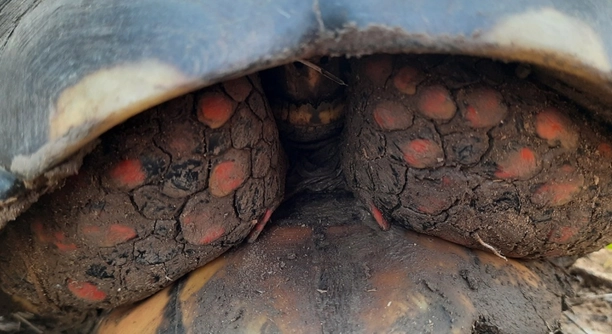
Is your red-footed tortoise constantly scraping its shell, leaving you unsure if this behavior is normal or a sign of concern? Understanding why this happens can help you determine if your pet needs any special care or attention.
Red-footed tortoises scrape their shells due to natural behaviors like shedding old scutes, exploring their environment, or relieving discomfort. However, excessive scraping may indicate health issues such as shell rot, parasites, or nutritional deficiencies that require immediate veterinary attention.
Shell scraping can be harmless, but it’s important to recognize when it signals an underlying issue. Learning about possible causes will help you keep your tortoise happy and healthy.
Common Reasons for Shell Scraping
Red-footed tortoises may scrape their shells for various reasons, and not all of them are harmful. One common reason is natural shedding, where old scutes loosen and fall off to make way for new growth. Another possibility is environmental exploration—tortoises use their shells to feel textures and objects in their habitat. Sometimes, they may scrape due to discomfort caused by dryness or irritation. If their enclosure lacks proper humidity, their shells may become brittle, leading them to seek relief by rubbing against surfaces. Paying attention to their behavior can help determine if the scraping is normal or a sign of an issue.
While some shell scraping is harmless, excessive or aggressive scraping can indicate an underlying problem. It could be a sign of stress, an injury, or even a developing infection. If you notice persistent scraping, examining their shell closely can help identify any abnormalities.
Checking your tortoise’s enclosure is a good first step. Make sure they have proper humidity, a balanced diet, and a clean environment. If scraping continues despite these conditions, a vet visit may be necessary. Early detection of issues like shell rot or parasites can prevent further complications and keep your tortoise healthy.
When to Be Concerned
If your tortoise scrapes its shell excessively, take a closer look at its health. Any cracks, soft spots, or foul odors could indicate a bacterial or fungal infection. Ignoring these signs may lead to worsening shell damage or discomfort.
Scraping due to medical issues can stem from poor diet, lack of UVB exposure, or inadequate humidity levels. Without proper nutrition, their shell may become weak, leading to irritation. A deficiency in calcium and vitamin D3 can also make their shell more prone to problems. Additionally, overly dry environments may cause discomfort, prompting frequent scraping. Parasites like mites can also cause itching, leading to repeated rubbing against surfaces.
Observing their behavior closely is key. If they seem restless, lose appetite, or show visible shell damage, intervention is necessary. Regularly inspecting their shell and adjusting their care routine can help prevent more serious health concerns. Consulting a vet when something seems off is always a safe approach.
How to Prevent Excessive Scraping
Providing the right humidity levels is essential. Red-footed tortoises need around 70–80% humidity to keep their shells healthy. If the enclosure is too dry, misting the habitat daily and adding a humid hide can help prevent discomfort that leads to scraping.
A balanced diet plays a big role in shell health. Calcium and vitamin D3 are crucial for strong shells, so feeding leafy greens, calcium supplements, and occasional fruits can prevent deficiencies. UVB lighting is also important, as it helps with calcium absorption. Without proper lighting, their shells may weaken, causing irritation. Regularly inspecting their shell for dryness or irregularities can help catch potential problems early.
Environmental enrichment can prevent stress-related scraping. Ensure the enclosure has a variety of textures, logs, and safe surfaces for natural interactions. If your tortoise is scraping out of boredom, adding different objects to explore may reduce the behavior while keeping them active and engaged.
When to Seek Veterinary Help
If your tortoise’s shell has deep scratches, discoloration, or an unusual odor, a vet visit is necessary. These signs can indicate infections, fungal issues, or even shell rot. Ignoring them can lead to pain and long-term damage, making early treatment important.
A vet can assess the shell for bacterial or fungal infections and provide proper medication if needed. In some cases, shell scraping may be linked to metabolic bone disease caused by poor diet or lack of UVB exposure. This condition weakens the shell, making it more vulnerable to irritation. The vet may recommend dietary adjustments, supplements, or changes to lighting conditions. Regular check-ups can help catch issues before they worsen.
If scraping is accompanied by lethargy, loss of appetite, or unusual behavior, don’t wait to seek help. Addressing problems early ensures your tortoise stays comfortable and healthy.
Proper Shell Care Tips
Regularly misting your tortoise’s enclosure helps maintain the right humidity levels. A shallow water dish and damp substrate can also prevent dryness. Keeping their habitat clean reduces the risk of bacterial or fungal infections that may lead to excessive scraping and shell damage.
Gently brushing your tortoise’s shell with a soft toothbrush and warm water removes dirt and debris. Avoid using soaps or chemicals, as they can strip away natural oils. Checking for cracks, discoloration, or rough patches during cleaning can help catch potential issues before they worsen.
Safe Surfaces for Scraping
Providing safe surfaces for natural scraping prevents damage. Smooth rocks, untreated logs, and textured mats can help your tortoise maintain their shell without causing harm. Avoid rough or sharp objects that may create deep scratches or lead to infections. Regularly inspecting their habitat ensures everything remains safe and suitable for their needs.
Signs of a Healthy Shell
A healthy shell is firm, smooth, and free from soft spots or cracks. Minor scratches are normal, but excessive wear, discoloration, or foul odors can signal problems. Regularly observing changes in texture or appearance can help detect issues early and prevent serious health concerns.
FAQ
Why is my red-footed tortoise scraping its shell?
Scraping is a natural behavior for red-footed tortoises. They might scrape their shell to shed old scutes or explore their environment. Sometimes, they do this to relieve discomfort from dry conditions or irritation. However, if scraping becomes excessive, it could indicate an issue like shell rot, parasites, or a lack of proper nutrition.
Is it normal for a red-footed tortoise to scrape its shell?
Yes, occasional shell scraping is completely normal. Tortoises use their shells to interact with their surroundings. Shell shedding is a natural process, and scraping helps them loosen old scutes. But when scraping is frequent or aggressive, it’s time to check their habitat and health more closely.
What can cause my tortoise to scrape excessively?
Excessive scraping can result from a variety of factors. One common reason is inadequate humidity in the enclosure. Dry conditions can irritate the shell and prompt scraping for relief. Other reasons include improper diet, stress, parasites, or even shell infections. Environmental factors and underlying health issues can contribute to this behavior.
How can I prevent my tortoise from scraping its shell?
Maintaining proper humidity levels is essential to prevent scraping. Make sure the enclosure has around 70–80% humidity. Regularly misting the environment and using a humid hide can help. Also, providing a balanced diet with calcium and UVB light is crucial for shell health. Finally, ensuring the enclosure is free of sharp objects that could hurt the tortoise will help prevent excessive scraping.
What should I do if my tortoise has a cracked shell from scraping?
If your tortoise has a cracked shell, you need to act quickly. Clean the affected area with warm water and avoid using soap or chemicals. Take your tortoise to a vet for a thorough examination. Cracks in the shell can become infected if left untreated, leading to further complications. The vet may suggest a topical treatment or other care steps to ensure proper healing.
Can shell scraping be a sign of an infection?
Yes, shell scraping can sometimes indicate an infection, especially if the scraping is frequent or accompanied by other signs like an unpleasant odor, softness, or discoloration. Bacterial or fungal infections can cause the tortoise to scrape its shell to relieve discomfort. If you notice these symptoms, it’s important to consult a vet immediately to prevent the infection from spreading.
How often should I check my tortoise’s shell for health issues?
It’s a good idea to check your tortoise’s shell weekly. Look for any cracks, soft spots, or unusual discoloration. Regular checks help you spot early signs of health issues like shell rot or infection before they become serious. A well-maintained shell is a sign of good overall health in your tortoise.
Can I help my tortoise by moisturizing its shell?
It’s best not to apply moisturizers or oils to your tortoise’s shell. The shell has natural oils that keep it healthy, and adding moisturizers can interfere with this balance. Instead, focus on providing proper humidity in the enclosure and ensure they are eating a well-rounded diet rich in calcium and vitamins to maintain shell health.
How do I know if my tortoise’s scraping is due to stress?
Stress-related scraping usually comes from environmental issues like overcrowding, insufficient hiding spots, or sudden changes in habitat. If your tortoise’s scraping coincides with other signs of stress, such as changes in eating habits or lethargy, it may be stress-induced. Adjusting the environment to make it more comfortable can help reduce this behavior.
What should I do if my tortoise has shell rot?
Shell rot requires immediate attention from a veterinarian. It is often caused by bacterial infections due to poor humidity or hygiene. Treatment usually involves cleaning the affected area, applying topical medications, and ensuring the tortoise is kept in a properly humidified and clean environment.
Can parasites cause my tortoise to scrape its shell?
Yes, parasites like mites can cause itching, leading to scraping behavior. If you suspect a parasite issue, you should consult a vet for a proper diagnosis and treatment. A vet may recommend a parasite treatment regimen to eliminate the issue and prevent further scraping.
Should I change my tortoise’s diet if it’s scraping its shell?
If your tortoise is scraping its shell, it might be due to a nutritional deficiency. A diet lacking calcium, vitamin D3, or essential vitamins can affect shell health. Ensure your tortoise is getting enough leafy greens, and consider adding calcium supplements. A vet can help you create a diet plan for optimal shell health.
What type of lighting is best for my red-footed tortoise?
Red-footed tortoises need UVB lighting to help with calcium absorption, which is crucial for maintaining a healthy shell. A proper UVB light should be placed 12-18 inches from the tortoise. Make sure it’s on for 10–12 hours a day, simulating a natural day-night cycle. This will help prevent shell problems linked to vitamin D3 deficiency.
How long should my red-footed tortoise spend under UVB light each day?
Your tortoise should get 10–12 hours of UVB exposure each day. This mimics natural sunlight and is vital for absorbing calcium and maintaining shell health. If your tortoise isn’t getting enough UVB, they may develop health problems like metabolic bone disease, which can affect the shell.
What is the best humidity level for my tortoise’s shell?
Red-footed tortoises thrive in an environment with 70–80% humidity. If the humidity is too low, their shells can dry out and become brittle, leading to irritation and scraping. A humid hide or misting the enclosure daily can help maintain the proper moisture levels and support shell health.
Can I use a heat lamp for my red-footed tortoise?
Yes, a heat lamp is essential for providing the right temperature gradient in your tortoise’s enclosure. Ensure there’s a warm spot of around 85-90°F and a cooler area for your tortoise to move between. This allows them to regulate their body temperature while also benefiting from the UVB light.
Final Thoughts
Red-footed tortoises are fascinating creatures that, like any pet, need proper care and attention to thrive. Scraping their shells can be a normal behavior, especially as they shed old scutes or explore their environment. However, if the scraping becomes excessive or is accompanied by other signs of distress, it’s important to look deeper into the cause. While environmental factors like humidity and temperature can contribute to this behavior, it’s also essential to keep an eye out for health concerns that may require veterinary attention.
Maintaining the right environment for your tortoise is key to keeping it comfortable and healthy. Ensuring that the enclosure has adequate humidity, the proper temperature gradient, and a balanced diet can go a long way in preventing unnecessary shell scraping. Regular checks on your tortoise’s shell for signs of damage, discomfort, or infection can help catch any issues early on. If you notice any unusual symptoms, seeking veterinary care as soon as possible will help address the problem before it becomes more serious.
In the end, understanding your tortoise’s behavior and needs is crucial. While occasional shell scraping is normal, it’s up to you as a pet owner to monitor their health and ensure they are not experiencing any discomfort. By providing a proper habitat, a well-balanced diet, and regular check-ups, you can help your red-footed tortoise live a long, healthy, and happy life. Taking these steps will not only address the immediate concerns but also prevent long-term health problems, making sure your tortoise thrives in its environment.

Hello,
If you enjoy the content that we create, please consider saying a "Thank You!" by leaving a tip.
Every little bit helps us continue crafting quality advice that supports the health, happiness, and well-being of pets around the world, for pets of all shapes, sizes, and species.
We really appreciate the kindness and support that you show us!