
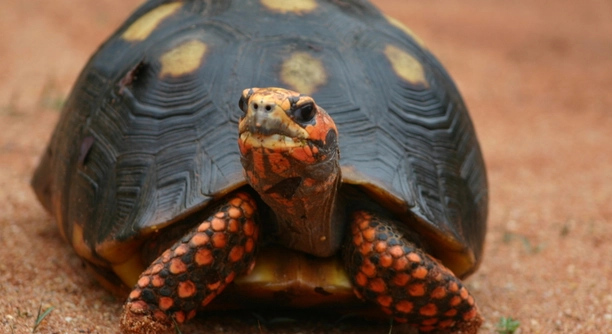
Red-footed tortoises are fascinating creatures, often displaying unique behaviors. One common behavior is their tendency to dig, particularly at night. Understanding why they engage in this activity can provide valuable insights into their needs and well-being.
Red-footed tortoises dig at night due to natural instincts, environmental factors, or health concerns. This behavior is often linked to searching for food, establishing shelter, or preparing for sleep. Understanding these triggers helps ensure proper care.
Understanding your tortoise’s digging behavior is essential for providing a suitable environment. Ensuring their needs are met can prevent stress and promote a healthy lifestyle.
Reasons Why Your Red-Footed Tortoise Digs at Night
Digging is a natural behavior for red-footed tortoises, especially during the night. This species tends to be more active during dusk and dawn, which is when they might feel the need to dig. Tortoises are known to search for comfortable resting places or cooler ground to regulate their body temperature. A well-maintained enclosure will offer your tortoise the ability to fulfill these natural instincts. Without proper space or environmental factors like humidity and temperature, they might dig more frequently. It’s also possible that your tortoise is trying to escape if it feels confined or stressed. The behavior is quite common and often not a sign of an underlying issue, though it is important to observe the frequency and intensity of the digging.
Tortoises dig for comfort, safety, or temperature regulation. It’s a healthy behavior when they feel secure in their environment.
By providing a suitable habitat with ample space, appropriate humidity, and temperature control, you can reduce excessive digging. Offer hiding spots like logs or safe shelters where your tortoise can retreat. Digging could also be a response to the need for mental stimulation. If you notice digging becoming excessive, consider enriching your tortoise’s habitat with more engaging items. Digging might also be a result of stress caused by too much noise or other disturbances. Making adjustments to the environment, like providing a quiet, calm space, could help alleviate unnecessary digging.
How to Prevent Excessive Digging
One of the best ways to prevent digging is to ensure your red-footed tortoise’s habitat is suitable. A proper setup can reduce the need for this behavior. The enclosure should be spacious, with areas for hiding and plenty of room for movement.
Consider adding natural elements like soil, plants, or logs. These features encourage the tortoise to dig naturally without stress.
Environmental Factors That Influence Digging
The environment plays a large role in why your red-footed tortoise digs. Factors such as temperature, humidity, and space contribute to its natural behavior. A poorly maintained enclosure might not offer the necessary conditions, causing your tortoise to dig as a way of seeking comfort. Adjusting these environmental factors can help reduce excessive digging.
Ensure the habitat is at the correct temperature range for red-footed tortoises, between 75°F and 85°F. The humidity level should also be monitored to stay within a 60-80% range. These conditions help your tortoise feel comfortable and less likely to dig at night. The substrate, such as soil or coconut fiber, can also impact behavior. A loose substrate allows for natural digging, while a too-dry or hard surface may prompt excessive digging. Providing an appropriate environment not only promotes well-being but also limits unnecessary stress.
Your tortoise needs a place to rest and retreat. Offering a variety of hides and secure spaces will reduce its desire to dig at night. Stressful conditions like poor ventilation or too much noise can trigger increased digging. Maintaining a clean, quiet, and appropriately sized space will help the tortoise feel safe.
Stress and Anxiety in Red-Footed Tortoises
Stress is a common reason why your red-footed tortoise might dig excessively. It can result from changes in its environment, such as new objects, loud noises, or disturbances. A stressed tortoise often digs to create a safe space where it feels less vulnerable. This digging serves as a way to cope with anxiety.
Tortoises are sensitive to their surroundings, so any disruptions in their environment could lead to increased digging. For example, if they’re placed in a new or unfamiliar setting, it might take time for them to adjust. Stress can also come from being housed with other animals, especially if there’s a lack of space. To reduce stress, provide a secure, quiet environment. Avoid constant changes to their habitat, as tortoises thrive on routine.
Consider providing more enrichment in the enclosure to alleviate boredom and stress. Hiding food, adding new objects like rocks, and rotating items can engage their natural curiosity. These activities help your tortoise stay mentally active and reduce the urge to dig out of stress.
Health Issues That Could Lead to Digging
Health problems could also be a factor in your red-footed tortoise’s digging behavior. Illness, discomfort, or injury may cause them to dig excessively. If your tortoise is digging more than usual, it may be trying to find a way to alleviate pain or discomfort.
If your tortoise shows signs of digging paired with other unusual behaviors, such as lethargy or loss of appetite, it may be a sign of illness. Common health issues, like respiratory infections or digestive problems, could make them restless and prompt digging behavior. Always monitor their overall health to catch potential problems early.
If the behavior persists or worsens, consider a vet visit to rule out underlying medical issues. Prompt treatment can help your tortoise recover and return to normal behavior. Maintaining proper care and diet will also support their overall well-being, reducing health-related digging.
Age and Growth Stages
As red-footed tortoises grow, their behaviors can change. Younger tortoises are more active and might dig more often as they explore their environment. Older tortoises may dig less, but the behavior can still be influenced by their age and health.
The level of activity and frequency of digging can vary with age. Juvenile tortoises might dig as a way to explore and interact with their environment. They’re naturally curious and may create burrows to rest in. As they age, their digging habits may decrease, but changes in behavior can still occur.
When to Seek Professional Help
If you notice excessive digging paired with other signs of distress, professional advice may be needed. While some digging is normal, persistent or intense digging can signal a deeper issue. Consult with a vet to ensure your tortoise’s health and well-being.
FAQ
Why is my red-footed tortoise digging so much?
Digging is a normal behavior for red-footed tortoises. It can be due to natural instincts like creating a safe space to rest or regulate their body temperature. Sometimes, they dig in search of food or water. If the digging is excessive, environmental stress or discomfort could also be factors to consider.
How can I stop my red-footed tortoise from digging at night?
Ensure that the enclosure is well-maintained and provides plenty of hiding spots and space for your tortoise to move around. The substrate should be soft and moist to mimic natural conditions. Reducing stress, improving the lighting, and adjusting the humidity can also help minimize digging.
Can digging indicate a health problem?
Yes, health issues can cause your tortoise to dig excessively. If it’s digging along with other symptoms like lethargy, changes in eating habits, or discomfort, a visit to the vet is recommended. Respiratory infections or digestive problems could be behind the digging behavior.
What should the ideal temperature be for my red-footed tortoise’s enclosure?
The ideal temperature for red-footed tortoises is between 75°F and 85°F. During the day, they need a basking spot at around 90°F. At night, the temperature should not drop below 70°F. Maintaining proper temperatures is crucial to preventing stress-related behaviors, such as excessive digging.
Can my tortoise dig to escape?
Red-footed tortoises may dig if they feel confined or stressed. If your enclosure is too small, or they lack hiding spaces, they may try to dig to find more space or safety. Ensure the habitat is spacious enough and has proper hiding areas to reduce this behavior.
How often should I clean my tortoise’s enclosure?
Cleaning the enclosure regularly is important to maintain good health. Spot clean daily to remove waste, and change the substrate every 2-4 weeks, depending on how quickly it gets soiled. A deep clean every 1-2 months will help prevent bacterial build-up and unpleasant odors.
Is it normal for my tortoise to dig in one specific spot?
Yes, it is normal for tortoises to dig in one specific spot. They may find that area more comfortable or secure. It can also be a preferred spot for temperature regulation, where the substrate is cooler or warmer. Providing different digging areas can give them options.
What type of substrate should I use for my red-footed tortoise?
A mixture of soil, coconut coir, and sand is ideal for red-footed tortoises. This type of substrate allows them to dig and burrow comfortably while also helping to maintain humidity. Avoid using fine sand, as it can cause impaction if ingested.
Should I be concerned if my tortoise digs all night?
If your tortoise is digging throughout the night and showing signs of stress or discomfort, it’s worth investigating the cause. It might be related to temperature, humidity, or stress in the environment. Ensuring the enclosure meets their needs is crucial to reducing nighttime digging.
Can a red-footed tortoise dig a tunnel?
While red-footed tortoises do dig, they usually do not create deep tunnels like some other species. They may dig shallow holes or burrows, primarily to rest in or regulate their temperature. If your tortoise is digging to the point of creating a tunnel, check the enclosure’s size and conditions.
Does my red-footed tortoise need a humidity source?
Yes, red-footed tortoises require a humid environment to stay healthy. The humidity level should be between 60-80%. You can maintain this by using a humidifier or misting the enclosure regularly. Too little humidity can cause dehydration, while too much can lead to respiratory issues.
What are some ways to enrich my red-footed tortoise’s environment?
To keep your tortoise mentally and physically stimulated, offer a variety of objects to explore, such as rocks, logs, and plants. Rotating these items regularly can prevent boredom and reduce stress-related behaviors like excessive digging. Hiding food and varying their routine also provide enrichment.
How can I tell if my red-footed tortoise is stressed?
Stress signs in red-footed tortoises include excessive digging, lethargy, loss of appetite, hiding more than usual, or pacing the enclosure. Ensure the habitat is spacious, quiet, and free of constant disturbances. Providing a consistent feeding schedule and routine can also help alleviate stress.
Is it normal for my tortoise to dig after eating?
Some tortoises dig after eating as part of their natural behavior. It could be a way to create a comfortable spot to digest or find a cooler place. However, if your tortoise digs excessively or shows signs of discomfort after eating, it may be worth monitoring and adjusting the environment.
Can I add plants to my tortoise’s enclosure?
Adding plants to the enclosure can be beneficial. Choose non-toxic, tortoise-safe plants like hibiscus, dandelion, or clover. Plants provide natural hiding spots, visual stimulation, and help maintain humidity levels. Make sure to avoid toxic plants that could harm your tortoise if ingested.
Should I use a heat lamp for my red-footed tortoise?
Yes, a heat lamp is important to provide a basking spot where your tortoise can warm up. Make sure the basking area is around 90°F, and ensure the overall temperature of the enclosure remains within the ideal range of 75°F to 85°F. This will help prevent health problems and stress.
Is it safe for my tortoise to be outside during the day?
If the weather is appropriate, it is safe to let your tortoise outside during the day. Ensure the area is secure and escape-proof, and provide access to shaded areas and a water dish. Avoid exposing your tortoise to extreme temperatures or predators. Always supervise outdoor time.
How do I know if my red-footed tortoise is digging out of boredom?
Boredom-related digging can be identified by its frequency and lack of other normal tortoise activities. If your tortoise digs without any apparent purpose, such as creating a resting place or regulating temperature, it could be due to boredom. Providing more environmental enrichment can help prevent this.
Can I use a larger enclosure to reduce digging?
Yes, increasing the size of your tortoise’s enclosure can help reduce excessive digging. A larger space allows your tortoise to move freely, explore, and find suitable areas to rest. It also provides more hiding spots, which can decrease the need to dig for security.
Final Thoughts
Understanding why your red-footed tortoise is digging is crucial to addressing the behavior. Digging is a normal and natural action for tortoises, but when it becomes excessive, it often signals environmental issues. Ensuring that the enclosure meets the proper temperature, humidity, and space requirements will help minimize this behavior. A balanced and enriching environment plays a key role in making sure your tortoise feels secure and comfortable. It is essential to observe your tortoise closely and adjust the conditions as needed.
If the digging continues despite proper enclosure management, it’s important to consider other factors that could contribute to the issue. Sometimes, red-footed tortoises dig as a response to stress or boredom. Providing environmental enrichment and adding more hiding spots or objects to explore can help ease these stressors. Additionally, ensuring a consistent routine in feeding and habitat care will support your tortoise’s mental and physical health. A tortoise that feels at ease in its environment is less likely to engage in behaviors like excessive digging.
Finally, if the behavior becomes persistent and problematic, or if it’s accompanied by other symptoms such as lethargy or loss of appetite, it’s always a good idea to consult with a veterinarian. Health issues like respiratory infections or internal problems can cause changes in behavior, including increased digging. A professional evaluation will help rule out medical conditions and ensure your tortoise is in good health. Keeping your tortoise’s habitat comfortable and secure will help reduce stress and maintain a happy and healthy life for your pet.

Hello,
If you enjoy the content that we create, please consider saying a "Thank You!" by leaving a tip.
Every little bit helps us continue crafting quality advice that supports the health, happiness, and well-being of pets around the world, for pets of all shapes, sizes, and species.
We really appreciate the kindness and support that you show us!