
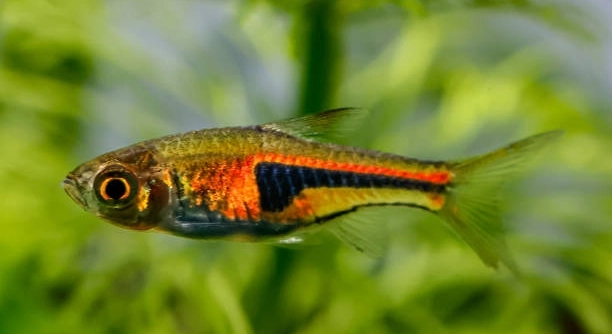
Many fish owners notice their rasbora spending more time at the tank’s bottom. This behavior can seem worrying, especially when your fish is usually active and darting around the middle and top levels of the aquarium.
Rasboras resting on the bottom is often linked to stress, illness, or poor water conditions. Low oxygen levels, sudden temperature changes, or internal parasites can cause lethargy, making these fish stay near the substrate to conserve energy.
Knowing the reasons behind this behavior will help you keep your rasbora healthy. Small adjustments in their environment can make a big difference in their comfort and activity.
Common Causes of Bottom-Dwelling Behavior
When rasboras stay at the bottom, it is usually related to their environment or health. Poor water quality is a major factor. High ammonia, nitrite, or nitrate levels can stress the fish, causing lethargy. Temperature fluctuations or too-cold water may also make them inactive. Another reason is illness. Parasites, bacterial infections, or internal problems can reduce energy, forcing the fish to rest near the tank floor. Even minor injuries or fin damage can affect swimming ability, making the fish prefer the bottom. Overcrowding and aggressive tank mates may push a rasbora down, as it seeks a safer area. Providing plants, hiding spots, and gentle water flow can help. A well-maintained, clean tank with stable conditions usually encourages normal swimming patterns. Monitoring feeding habits is important too, since underfeeding or poor nutrition can make them sluggish. Observation and small adjustments often resolve this behavior without medical intervention.
Stress from poor conditions can quickly change a rasbora’s behavior, showing on the tank bottom.
Checking water parameters and tank setup is essential to prevent ongoing lethargy. Regular water tests, temperature monitoring, and gentle filtration help maintain a safe environment. Consistent feeding with high-quality food supports health, while reducing aggressive tank mates keeps the fish comfortable. When illness is suspected, isolating the fish and consulting a veterinarian improves chances of recovery. Observing their response to these changes helps identify specific causes. Adjustments to plants, lighting, and hiding spots can also reduce stress. Maintaining a routine and avoiding sudden changes ensures rasboras remain active and healthy, restoring confidence in their swimming and social habits.
Feeding and Nutrition Effects
Poor diet can make rasboras stay low in the tank.
Rasboras require a varied diet to remain healthy and active. Feeding only one type of food or low-quality pellets can result in energy loss and lethargy. Live or frozen foods such as daphnia, brine shrimp, or bloodworms provide essential nutrients and stimulate activity. Overfeeding can also cause problems, including bloating or swim bladder issues, which often lead to bottom-dwelling. Feeding smaller portions multiple times a day is better than one large meal. Observing how the fish respond to different foods helps identify preferences and nutritional gaps. Proper feeding supports digestion, growth, and immune function. Nutrition affects not just energy levels but also resistance to disease. Ensuring a balanced diet can prevent many common causes of lethargy. Combined with a well-maintained tank, good nutrition allows rasboras to swim normally, display bright colors, and interact socially. A careful approach to feeding promotes long-term health, activity, and comfort for these delicate fish.
Water Quality and Temperature
Poor water quality can quickly make rasboras stay at the bottom. Ammonia, nitrite, and nitrate spikes stress them. Sudden temperature changes also reduce energy and activity, forcing the fish to rest near the substrate.
Maintaining stable water conditions is essential. Regular testing for ammonia, nitrite, and nitrate helps prevent dangerous levels. Performing partial water changes weekly keeps the tank clean. A consistent temperature suited to rasboras, usually between 22°C and 26°C, supports normal swimming behavior. Adding a thermometer allows for monitoring small fluctuations that may affect health. Avoid placing the tank near drafts, heaters, or direct sunlight, as these can cause temperature swings. Proper filtration and gentle water flow also reduce stress.
Stress from poor water conditions affects both activity and appetite. Rasboras may avoid swimming freely, spending more time on the bottom. Observing behavior after adjustments shows if the fish recover. Proper maintenance promotes energy, color, and natural schooling behavior, reducing the risk of illness and lethargy.
Illness and Injury
Illness often causes rasboras to linger at the bottom. Parasites, bacterial infections, or swim bladder problems can make movement difficult and uncomfortable.
Signs of illness include clamped fins, discoloration, unusual spots, or labored swimming. Isolating the affected fish helps prevent spreading disease. Treatment varies depending on the condition, including medicated food, water treatments, or antibiotics. Observation during treatment is crucial to track improvement. Stress from illness can be compounded by poor water quality, so maintaining optimal conditions while treating the fish is important.
Physical injuries can also limit swimming ability. Collisions with tank décor, rough handling, or nipping from other fish may result in bruising or fin damage. Providing hiding spots and careful tank management reduces injury risks. Recovery depends on clean water, proper nutrition, and limited stress. Healthy rasboras gradually return to normal activity, exploring the entire tank and interacting with tank mates.
Tank Setup and Environment
Overcrowded tanks or aggressive neighbors can force rasboras to the bottom. They may hide to avoid stress or bullying.
Lack of hiding places also contributes to bottom-dwelling. Adding plants, rocks, or driftwood gives them safe areas and reduces tension in the tank.
Oxygen Levels
Low oxygen in the water can make rasboras lethargic. Poor aeration or heavy stocking reduces oxygen availability, causing fish to rest on the substrate.
Lighting and Day-Night Cycle
Inconsistent lighting can stress rasboras. Too bright or too dim light affects their activity patterns, often making them stay at the bottom.
Social Behavior
Rasboras are schooling fish. Being alone or separated from the group may cause anxiety, leading them to remain low in the tank.
FAQ
Why is my rasbora resting on the bottom of the tank?
Rasboras resting on the bottom is often caused by stress, illness, or poor water conditions. Low oxygen, sudden temperature changes, internal parasites, or injuries can make them inactive. Overcrowding or aggressive tank mates may also push them down to feel safe.
Is it normal for rasboras to rest at the bottom occasionally?
Yes, short periods of resting on the bottom are normal, especially after feeding or swimming actively. However, consistent or prolonged bottom-dwelling usually signals a problem with health, water quality, or stress. Monitoring other behaviors helps determine if action is needed.
Can water temperature affect my rasbora’s activity?
Absolutely. Rasboras thrive in water between 22°C and 26°C. Temperatures outside this range can make them lethargic, reduce appetite, and cause them to stay near the tank floor. Gradual adjustments and consistent monitoring help maintain stability.
How does water quality influence this behavior?
High ammonia, nitrite, or nitrate levels stress rasboras, often causing bottom-dwelling. Regular water testing, partial water changes, and gentle filtration are essential. Clean water supports normal swimming, feeding, and social behaviors. Even minor water imbalances can affect energy and activity.
Could illness be the reason my rasbora is at the bottom?
Yes. Parasites, bacterial infections, or swim bladder issues can reduce swimming ability. Look for clamped fins, discoloration, unusual spots, or labored swimming. Isolating sick fish and providing treatment in clean water improves recovery chances.
How important is diet for rasboras staying active?
A varied diet is crucial. Feeding only one type of food can lead to low energy and lethargy. Live or frozen foods like brine shrimp or bloodworms give essential nutrients and stimulate activity. Overfeeding or underfeeding can also cause bottom-dwelling due to bloating or lack of energy.
Do tank decorations affect this behavior?
Yes. Lack of hiding spots or poor tank layout can stress rasboras, pushing them to the bottom. Adding plants, rocks, and driftwood gives them areas to feel safe. Proper environment reduces anxiety and encourages swimming at all levels of the tank.
Can oxygen levels cause rasboras to stay at the bottom?
Low oxygen makes rasboras lethargic. Heavy stocking, poor aeration, or strong filtration can reduce oxygen availability. Air stones, gentle water flow, and moderate stocking help maintain oxygen levels and encourage normal movement.
Does social behavior play a role?
Rasboras are schooling fish. Being alone or separated from their group can cause stress and anxiety, resulting in bottom-dwelling. Keeping at least six rasboras together ensures they feel secure and active throughout the tank.
How quickly should I see improvement after changes?
With stable water, proper feeding, and reduced stress, rasboras often recover within a few days. Illness or injuries may take longer, requiring treatment and observation. Consistency in tank maintenance and monitoring behavior is key to restoring normal activity.
Can lighting affect their swimming habits?
Yes. Bright or inconsistent lighting can stress rasboras, making them hide near the bottom. Gradual light cycles and moderate brightness help regulate activity and natural behaviors. Consistent day-night patterns support overall health and energy levels.
Should I consult a veterinarian if my rasbora stays at the bottom?
If bottom-dwelling persists despite proper water quality, feeding, and tank setup, consulting a veterinarian is wise. They can diagnose illnesses, parasites, or other health issues that are not obvious through observation alone. Early intervention improves recovery chances and long-term well-being.
What preventive steps keep rasboras active?
Regular water testing, consistent temperature, balanced diet, proper tank mates, and adequate hiding spots prevent stress and illness. Maintaining a stable environment and observing behaviors closely reduces the risk of bottom-dwelling and promotes long-term health.
How can I tell if my rasbora is recovering?
Signs of recovery include increased swimming, exploring all tank levels, normal feeding, bright colors, and interaction with other fish. Gradual improvements indicate that water conditions, diet, or treatments are effective, and the fish is returning to normal behavior.
Final Thoughts
Rasboras resting at the bottom of the tank can feel worrying, especially when they usually swim actively in the middle and top levels. This behavior is often a sign that something in their environment or health needs attention. Many factors contribute to bottom-dwelling, from water quality and temperature to diet and social interactions. Even small changes, like a slight fluctuation in temperature or a short period of poor water conditions, can stress these fish. They are delicate and sensitive to their surroundings, so careful observation is key. Watching how they behave over time helps identify patterns and possible triggers. By noticing signs early, you can make adjustments before the problem becomes more serious.
Maintaining a healthy tank is the most effective way to keep rasboras active. Regular water testing ensures ammonia, nitrite, and nitrate levels stay safe. Consistent temperatures and stable water conditions prevent stress that might cause them to stay at the bottom. Proper filtration and gentle water flow also play a role in maintaining a comfortable environment. Along with clean water, a balanced diet supports energy and overall health. Live or frozen foods, combined with high-quality pellets, give them the nutrients they need. Overfeeding or underfeeding can both lead to lethargy, so feeding in moderation is important. Tank layout matters too—plants, rocks, and hiding spots provide safety and reduce anxiety, encouraging normal swimming behavior.
Social behavior is another essential factor to consider. Rasboras are schooling fish and feel most comfortable in groups. Being alone or in a stressful tank can make them stay at the bottom. Aggressive tank mates or overcrowding also add pressure, causing them to hide. Illness or injury can further contribute to bottom-dwelling, so monitoring for signs like clamped fins, discoloration, or unusual spots is crucial. Quick intervention, proper treatment, and maintaining optimal conditions help recovery. By combining stable water, good nutrition, a safe environment, and attention to social needs, rasboras are more likely to regain activity. Regular observation, preventive care, and small adjustments make a significant difference in keeping these fish healthy, active, and comfortable in their tank.

Hello,
If you enjoy the content that we create, please consider saying a "Thank You!" by leaving a tip.
Every little bit helps us continue crafting quality advice that supports the health, happiness, and well-being of pets around the world, for pets of all shapes, sizes, and species.
We really appreciate the kindness and support that you show us!