
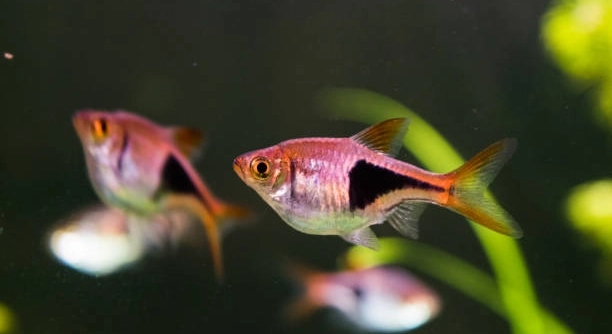
Do you ever notice your rasbora spending more time near the heater than swimming freely around the tank? Observing this behavior can be surprising for many fish owners who are used to seeing lively, evenly distributed activity.
Rasboras often hover near the heater due to low water temperatures or discomfort in their environment. Proximity to the heat source allows them to maintain optimal body function, improve metabolism, and reduce stress caused by cooler water conditions.
Understanding why your rasbora seeks warmth can help you create a more comfortable and stable tank environment for its health and wellbeing.
Common Reasons Rasboras Hover Near the Heater
Rasboras are sensitive to water temperature changes. When the tank water is cooler than their preferred range, they naturally move toward the heater to stay warm. This behavior ensures their metabolism functions properly and prevents lethargy or stress. Besides temperature, water quality can also influence their location. If ammonia, nitrite, or nitrate levels are elevated, fish may seek warmer areas as a coping mechanism. Another factor is oxygen distribution. Heaters can create subtle water currents, and slightly warmer zones often have more dissolved oxygen, which can feel more comfortable for your rasbora. Even minor adjustments, such as adding new decorations or changing the tank layout, can influence where they hover. Observing their movement patterns over several days helps identify if this is a temporary adjustment or a persistent concern. Ensuring consistent temperature and clean water usually reduces this behavior over time.
Monitoring temperature fluctuations regularly helps maintain a healthy tank environment for your rasbora.
Providing stable water conditions with a properly set heater and regular testing minimizes stress and encourages natural swimming patterns. It also reduces the risk of illness caused by sudden temperature changes or poor water quality. Adjusting heater placement to avoid overly concentrated warm zones helps the entire tank maintain uniform conditions. Additionally, adding gentle circulation ensures oxygen reaches all areas, discouraging fish from clustering around a single heat source. Feeding routines also play a role, as fish may linger near warmer areas if food sinks there or decomposes faster. Careful observation and patience allow you to correct minor issues before they impact health. Over time, rasboras adjust to a well-balanced environment and spread evenly across the tank, showing increased activity and better coloration. Simple steps like maintaining consistent temperature, monitoring water chemistry, and creating gentle currents are usually enough to restore comfort. This approach ensures both immediate relief and long-term stability for your fish.
Adjusting Tank Conditions
Maintaining a stable temperature is key to keeping rasboras comfortable.
To properly adjust tank conditions, start by setting the heater to the species’ preferred range, typically between 74°F and 80°F. Use an accurate thermometer to track fluctuations daily. Ensure even heating by placing decorations or plants to distribute warmth naturally. Regular water testing helps catch issues with pH, ammonia, nitrites, and nitrates early, preventing stress-related behaviors like clustering near the heater. Circulation is important; adding a gentle filter or air stone spreads oxygen and heat evenly. Monitor fish behavior closely after adjustments, as rasboras may take several days to normalize activity. Gradual changes prevent shock, which can occur with sudden temperature shifts or water chemistry corrections. Finally, observe feeding behavior and swimming patterns to confirm the tank supports their overall health. Proper care encourages natural behavior, reduces hovering near the heater, and promotes a lively, balanced environment.
Feeding and Activity Patterns
Rasboras often hover near the heater when they are less active due to lower temperatures. This can also affect their feeding, as cooler water slows metabolism and digestion.
Slower movement around the tank may lead to missed feeding opportunities. Adjusting feeding times and ensuring food sinks evenly helps maintain proper nutrition. Observing their activity after feeding can indicate if temperature or other conditions are affecting energy levels. If fish linger near the heater post-feeding, it may signal they are trying to aid digestion by staying in a warmer zone. Ensuring water is within the ideal range encourages more balanced movement and healthier eating habits.
Providing food in smaller, more frequent portions encourages exploration and reduces clustering near the heater. A mix of floating and sinking foods ensures all fish can access nourishment, regardless of their position in the tank. Observing how quickly they eat also helps identify if temperature or stress is affecting appetite. Over time, consistent feeding routines combined with stable tank conditions can restore natural swimming patterns and reduce heater-related hovering. Adjusting the type, frequency, and placement of food supports both nutrition and behavior.
Signs of Stress and Illness
Hovering near the heater can indicate early stress or health issues in rasboras. Signs include clamped fins, faded colors, or erratic swimming.
Stress can result from temperature fluctuations, poor water quality, or overcrowding. Observing these patterns early helps prevent serious illness. Treating water chemistry problems promptly reduces the risk of long-term health complications. Consistent monitoring ensures that fish remain active and vibrant.
Illness may manifest subtly at first. Bacterial or parasitic infections often coincide with unusual positioning near the heater. Treating tank water with appropriate measures, maintaining cleanliness, and quarantining new fish helps reduce disease spread. Stress weakens immune systems, making rasboras more vulnerable. Proper nutrition, stable temperature, and gentle water flow minimize strain on fish. By observing behavior and water conditions closely, you can detect potential problems early, ensuring timely intervention. Maintaining a routine of testing and cleaning while keeping tank inhabitants comfortable creates a healthier environment and reduces the need for drastic measures.
Heater Placement and Tank Layout
Improper heater placement can cause uneven temperature zones, leading rasboras to hover in one area. Positioning the heater near a gentle current helps distribute warmth evenly.
Obstructions such as large decorations or dense plants can create cooler pockets. Adjusting layout and flow ensures consistent temperature and encourages movement throughout the tank.
Water Flow and Circulation
Poor water circulation can make some areas feel stagnant or cooler, prompting rasboras to stay near the heater. Adding a gentle filter or air stone promotes even water movement, oxygen distribution, and consistent warmth. This simple adjustment supports natural swimming behavior and reduces clustering.
Adjusting Temperature Gradually
Sudden changes in temperature stress rasboras. Slowly raising or lowering the heater setting by small increments allows them to adapt. Consistent monitoring ensures water remains within the ideal range. Gradual adjustments prevent shock, maintain metabolism, and support overall health while encouraging normal activity across the tank.
Observation and Routine Checks
Regular observation of your rasboras’ behavior helps detect early signs of stress or discomfort. Routine checks of water parameters, heater function, and general activity maintain a stable and healthy environment for all fish.
FAQ
Why is my rasbora always near the heater?
Rasboras are sensitive to temperature. If the tank is cooler than their preferred range, they instinctively stay close to the heater. This helps maintain metabolism, reduces stress, and keeps them comfortable. Consistently hovering may also indicate minor temperature fluctuations or uneven water distribution.
Can hovering near the heater be harmful?
Hovering itself is not harmful if occasional, but prolonged clustering can signal stress. Constant exposure to one spot may affect social behavior, reduce swimming activity, and even cause uneven oxygen intake if circulation is poor. Addressing tank conditions usually resolves these issues.
How do I know if my tank temperature is right?
Use a reliable aquarium thermometer to check the water regularly. Rasboras thrive between 74°F and 80°F. Ensure the heater maintains a stable temperature and avoid placing it too close to tank walls or decorations that may block warmth.
Should I adjust the heater if my fish hover near it?
Adjusting the heater slightly can help if temperatures are uneven, but avoid sudden changes. Gradually increase or decrease the temperature in small increments and observe the fish’s response over several days. Stability is more important than rapid correction.
Does water flow affect their behavior near the heater?
Yes, weak or uneven water flow can make some areas cooler or stagnant. Rasboras may gather near the heater where water feels warmer and oxygen-rich. Adding a gentle filter or air stone ensures even circulation, promoting healthy swimming patterns.
Can stress cause hovering near the heater?
Stress from overcrowding, poor water quality, or sudden changes can make rasboras seek warmer areas. Monitor ammonia, nitrite, nitrate levels, and maintain a stable tank environment to reduce stress and encourage balanced movement.
Do diet and feeding patterns matter?
Yes, slower metabolism in cooler water may reduce appetite, causing rasboras to linger near the heater after meals. Feeding small, frequent portions and providing both floating and sinking foods helps them access nutrition evenly throughout the tank.
Could illness be a reason?
Illness or weakened immunity can make fish hover near heat sources for comfort. Watch for clamped fins, faded colors, or unusual swimming. Early detection and proper water maintenance prevent minor problems from becoming serious health issues.
Is it normal for new fish to hover near the heater?
Yes, newly introduced rasboras may spend time near the heater as they acclimate. Gradual adaptation and consistent tank conditions help them explore other areas naturally once they feel comfortable.
How can I prevent hovering behavior?
Maintaining stable water temperature, proper filtration, and regular testing of water quality are key. Balanced feeding routines, gentle water flow, and proper heater placement reduce the need for fish to cluster in one spot. Observation and timely adjustments ensure a healthy, active environment.
How long does it take for rasboras to stop hovering?
Once tank conditions are optimized, most rasboras adjust within several days to a week. Continuous monitoring of temperature, water chemistry, and behavior helps confirm they are comfortable and encourages even swimming throughout the tank.
Are there signs that hovering is serious?
Persistent hovering combined with lethargy, lack of appetite, or visible illness may indicate more serious problems. Promptly testing water parameters and consulting reliable fish health resources ensures early intervention and prevents long-term health issues.
Can adding plants or decorations help?
Strategically placed plants and decorations create natural temperature gradients and hiding spots, encouraging movement and exploration. They can reduce clustering near the heater by providing areas with moderate warmth and visual comfort for rasboras.
Is it necessary to quarantine new fish to avoid hovering issues?
Quarantining helps prevent disease introduction and allows new fish to acclimate without stress. It minimizes sudden behavioral changes like hovering near the heater, giving fish time to adjust gradually before entering the main tank.
Do different rasbora species behave differently near heaters?
Yes, species with slightly different temperature preferences may show varying tendencies to hover. Observing the specific species’ ideal range ensures proper heater adjustment and reduces stress-related behavior.
Can adjusting lighting influence this behavior?
Lighting affects fish activity and comfort. Bright or intense light may make fish seek warmer, shaded areas near the heater. Gradual light transitions and natural day-night cycles help maintain consistent swimming patterns.
Is regular water testing necessary if fish hover near the heater?
Absolutely. Frequent testing for pH, ammonia, nitrite, and nitrate ensures water quality remains stable. Poor water conditions often contribute to clustering near the heater, so routine checks prevent long-term stress and illness.
How do I combine all these steps effectively?
Maintain stable temperature within the preferred range, ensure gentle water flow, monitor water quality, feed balanced portions, provide plants or hiding spots, and observe behavior daily. Consistent application of these measures reduces hovering and promotes active, healthy rasboras.
Final Thoughts
Rasboras hovering near the heater is a common behavior that often reflects their need for comfort and stability. These fish are sensitive to temperature, and even slight fluctuations can influence their movement and activity. Observing them spend time near the heater does not always indicate a serious problem, but it is a sign that tank conditions should be carefully monitored. Ensuring water stays within their preferred range, typically 74°F to 80°F, helps maintain proper metabolism and reduces stress. Consistent temperature prevents sudden changes that could make them more vulnerable to illness or behavioral issues. Paying attention to where your fish spend most of their time provides valuable insight into the overall health and balance of the aquarium.
Stable water quality is just as important as temperature when it comes to maintaining healthy rasboras. High levels of ammonia, nitrites, or nitrates can create subtle stress that may lead fish to cluster near the heater, where the water feels slightly more comfortable. Regular testing and routine maintenance, including partial water changes and proper filtration, prevent these problems before they become severe. Adding gentle circulation and aeration also ensures that all areas of the tank have sufficient oxygen, reducing the need for fish to remain in a single warm spot. By addressing these environmental factors, you can encourage your rasboras to explore the entire tank rather than hovering near the heat source. Proper care allows them to display natural behaviors, swim actively, and maintain bright coloration, which are all signs of good health.
Feeding habits, tank layout, and observation routines further support the wellbeing of your rasboras. Providing a mix of floating and sinking foods ensures that all fish can access nutrition, even if some remain near the heater after meals. Strategically placing plants and decorations creates natural hiding spaces and gently distributes heat, encouraging movement across the tank. Observing your fish daily helps detect early signs of stress, illness, or discomfort, allowing for quick corrective actions. Over time, implementing these simple steps—stable temperature, balanced water chemistry, proper feeding, and thoughtful tank design—reduces hovering behavior and supports a comfortable, lively environment. Taking a proactive and consistent approach ensures your rasboras remain healthy, active, and stress-free, making the aquarium a thriving space for them to flourish.

Hello,
If you enjoy the content that we create, please consider saying a "Thank You!" by leaving a tip.
Every little bit helps us continue crafting quality advice that supports the health, happiness, and well-being of pets around the world, for pets of all shapes, sizes, and species.
We really appreciate the kindness and support that you show us!