
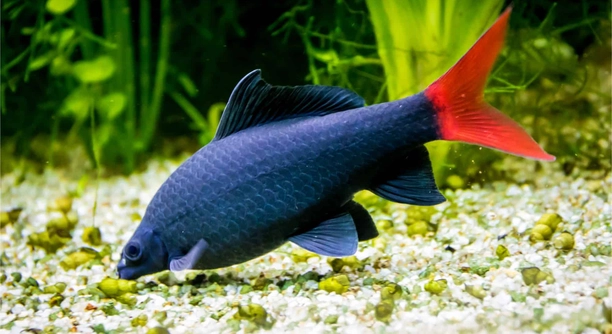
Are your rainbow sharks hiding most of the time? Many owners notice their fish seem shy or reluctant to swim openly. This behavior can leave you wondering what might be causing their cautious nature in the tank.
Rainbow sharks are shy due to factors such as stress, poor water conditions, lack of hiding spots, aggressive tank mates, insufficient food, sudden changes in environment, and their natural temperament. Each of these influences can make them retreat to safety and avoid interaction.
Learning about these reasons will help you create a more comfortable home for your rainbow shark. This guide explains the common causes so you can support your fish’s well-being and encourage more active behavior.
Stress and Its Impact on Rainbow Sharks
Stress is one of the main reasons rainbow sharks become shy. These fish are sensitive to sudden changes in their environment, such as loud noises, excessive handling, or frequent movement near the tank. Stress can cause them to hide more often, reducing their activity and affecting their overall health. If the tank is overcrowded or the water quality is poor, stress levels increase, making the fish even more withdrawn. Keeping the tank stable and quiet helps reduce stress. Ensuring they have enough space to swim and places to hide gives them a sense of security, which encourages more confident behavior. Observing your fish regularly will help you notice early signs of stress, such as hiding, rapid breathing, or loss of appetite.
Stress can easily be managed by maintaining a calm environment and stable water conditions. This approach helps your rainbow shark feel safe and less shy.
By reducing stressors in the tank, you allow your rainbow shark to show more natural and active behavior. Regular tank maintenance, gentle handling, and a peaceful environment are key to lowering stress and promoting healthier fish. Adding plants or decorations can create comfortable hiding spots, which help fish feel secure when they need to retreat. A less stressful habitat encourages your rainbow shark to explore more and interact with its surroundings, improving both its well-being and your enjoyment as an owner.
Water Quality and Tank Conditions
Poor water quality is a major reason rainbow sharks act shy.
Maintaining clean water with proper temperature and pH levels supports their health and reduces hiding. Frequent water tests and changes keep the tank environment stable.
Rainbow sharks are very sensitive to water conditions. If ammonia, nitrites, or nitrates rise, it can cause discomfort and stress, leading the fish to hide more. Temperature fluctuations or unsuitable pH levels also affect their behavior. Keeping the tank clean by performing regular water changes and using a good filtration system helps maintain stable water quality. Testing the water weekly allows you to catch issues early. Providing a well-maintained tank with the right conditions gives your rainbow shark a better chance to be active and less shy. Consistent care of tank parameters creates a safe and comfortable space for your fish to thrive.
Lack of Hiding Spots
Rainbow sharks need places to hide to feel safe in the tank. Without enough hiding spots, they may stay shy and avoid open areas.
Adding decorations like caves, plants, or driftwood creates secure spaces for your fish. These spots reduce stress and encourage exploration. When they feel protected, rainbow sharks are more likely to swim freely and display natural behavior. The right hiding places balance their shy nature with confidence, making them more comfortable in their environment.
Providing varied hiding spots can also prevent conflicts with other tank mates. It gives the rainbow shark options to retreat when feeling threatened, which lowers stress levels. Over time, this can help them become more social and visible, improving the overall atmosphere in your aquarium.
Aggressive Tank Mates
Aggressive fish can scare rainbow sharks, causing them to hide more often.
If your rainbow shark shares a tank with territorial or aggressive species, it may become shy to avoid confrontation. Aggression disrupts their comfort and leads to stress and hiding behavior. Choosing compatible tank mates is important for a peaceful environment.
Observe how your rainbow shark interacts with other fish. If bullying occurs, consider rearranging the tank or separating the aggressive fish. A calm community reduces fear and helps your rainbow shark feel more confident. Peaceful companions encourage your fish to be active and less reserved, enhancing their quality of life and tank dynamics.
Sudden Changes in Environment
Rainbow sharks are sensitive to sudden changes in their surroundings.
Moving the tank, changing decorations, or altering water conditions too quickly can make them shy and withdrawn.
Insufficient Food
Not getting enough food or irregular feeding times can cause your rainbow shark to hide more.
They may stay cautious if they feel unsure about food availability, impacting their activity and growth.
Natural Temperament
Rainbow sharks have a naturally shy and territorial personality.
This behavior is normal and helps them avoid danger in the wild. They often prefer to keep to themselves, especially in new or busy tanks. Respecting their temperament by providing space and low-stress conditions helps them feel more comfortable over time.
Why does my rainbow shark hide all the time?
Rainbow sharks often hide due to stress, poor water conditions, or lack of hiding spots. They naturally feel safer in sheltered areas, especially if the tank environment feels unstable or there are aggressive tank mates. Providing proper water quality and secure spaces can reduce hiding behavior.
Can poor water quality make my rainbow shark shy?
Yes, poor water quality is a common reason for shy behavior. High levels of ammonia, nitrites, or nitrates cause discomfort and stress. This stress leads rainbow sharks to hide more often. Regular water testing and maintenance are essential to keep the tank safe and comfortable for your fish.
How can I reduce stress for my rainbow shark?
Keeping the tank environment stable helps reduce stress. Avoid sudden changes in temperature or decorations, maintain clean water, and limit loud noises near the tank. Also, make sure the tank isn’t overcrowded and has enough hiding places, which helps your rainbow shark feel secure.
Is my rainbow shark’s shyness normal?
Yes, rainbow sharks are naturally shy and territorial fish. Their cautious behavior is part of their survival instinct. They often prefer to stay hidden to avoid threats, especially in new or busy tanks. Over time, with proper care, they may become more active.
What tank mates are best for rainbow sharks?
Peaceful, non-aggressive fish are best companions. Avoid keeping them with territorial or aggressive species that may bully the rainbow shark. Good tank mates include larger schooling fish that don’t compete for the same space or food. This reduces stress and encourages your rainbow shark to be more confident.
How important are hiding spots for rainbow sharks?
Hiding spots are very important. They provide safety and reduce stress, allowing your rainbow shark to relax and explore more freely. Use caves, plants, or decorations to create shelters. A well-decorated tank helps balance their shy nature with confidence.
Can feeding habits affect my rainbow shark’s behavior?
Yes, feeding affects their activity levels. Inconsistent feeding or insufficient food can cause stress and hiding. Feeding your rainbow shark on a regular schedule with appropriate food encourages them to be more active and less shy.
What water parameters are ideal for rainbow sharks?
Rainbow sharks thrive in temperatures between 74-80°F (23-27°C), with a pH of 6.5 to 7.5. Stable water hardness and regular maintenance keep them healthy. Sudden changes in water parameters can cause stress, leading to shy or hiding behavior.
How often should I clean my rainbow shark’s tank?
Perform partial water changes of about 25% every week to maintain clean water. Regular cleaning of filters and substrate also helps keep the environment stable and comfortable for your rainbow shark. Clean tanks reduce stress and shy behavior.
What signs show my rainbow shark is stressed?
Signs include hiding more than usual, rapid breathing, loss of appetite, faded colors, and lethargy. If you notice these, check water quality, tank mates, and environment stability. Addressing these factors quickly helps your fish recover and feel safer.
Can tank size affect my rainbow shark’s behavior?
Yes, small tanks limit swimming space and increase stress. Rainbow sharks need at least a 30-gallon tank to swim comfortably. A larger tank provides room to explore and hide, reducing shyness and promoting natural behavior.
Is it normal for rainbow sharks to hide during the day?
Rainbow sharks are more active during low light periods like early morning or evening. Hiding during bright daylight is normal, as they seek shelter to avoid stress. Providing shaded areas in the tank can help them feel secure throughout the day.
Will my rainbow shark become less shy over time?
With proper care, many rainbow sharks grow more confident as they adjust to their environment. Consistent tank conditions, compatible tank mates, and enough hiding spots encourage this. Patience and observation are key to supporting their comfort.
Should I handle my rainbow shark often?
Handling is stressful for rainbow sharks and should be avoided. They prefer minimal disturbance. Instead, focus on maintaining a stable environment and feeding well to build trust indirectly.
How does lighting affect my rainbow shark’s shyness?
Bright, intense lighting can cause rainbow sharks to hide. They prefer moderate lighting with shaded areas. Using plants or decorations to diffuse light helps them feel less exposed and more comfortable.
What is the best diet to reduce shyness in rainbow sharks?
A varied diet with high-quality flakes, pellets, and occasional live or frozen foods supports health and activity. Well-fed rainbow sharks are more energetic and less likely to hide due to hunger or stress. Feeding on a schedule also helps create routine and confidence.
Rainbow sharks are naturally shy fish, and their behavior can be influenced by several factors. Understanding why your rainbow shark is shy helps you create a better environment for it. Stress, water quality, tank conditions, and tank mates all play important roles in how comfortable your fish feels. By paying close attention to these elements, you can reduce the reasons for your fish to hide and encourage more active behavior.
Creating a stable and calm tank environment is key. Regular water changes and testing ensure good water quality, which directly affects your rainbow shark’s health and mood. Providing hiding spots with plants or decorations gives your fish safe spaces to retreat when needed. Choosing peaceful tank mates and avoiding overcrowding also helps reduce stress and shy behavior. Feeding your fish on a consistent schedule with a balanced diet supports its well-being and confidence.
Patience is important when caring for a rainbow shark. Some fish take longer to adjust to their environment, especially if they have experienced stress or poor conditions before. With time, care, and the right setup, your rainbow shark can become more comfortable and show more natural, active behavior. Remember that respecting the fish’s natural temperament and needs will help you enjoy a healthier and happier aquatic pet.

Hello,
If you enjoy the content that we create, please consider saying a "Thank You!" by leaving a tip.
Every little bit helps us continue crafting quality advice that supports the health, happiness, and well-being of pets around the world, for pets of all shapes, sizes, and species.
We really appreciate the kindness and support that you show us!