
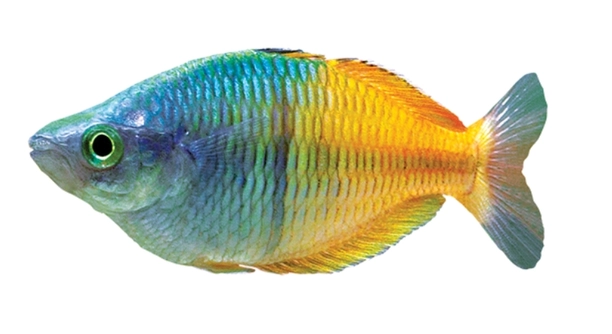
Rainbow fish are beautiful and active creatures, often providing vibrant color to any aquarium. However, it’s not uncommon to see them swimming near the surface, which can sometimes be a cause for concern. Understanding their behavior can help.
The most common reason why your rainbow fish is swimming near the surface is due to oxygen levels. Fish often swim higher in the water if there is a lack of dissolved oxygen deeper in the tank.
This behavior may indicate that something in the environment is affecting the oxygen supply or water quality. We’ll explore the causes behind this and how to address them.
Low Oxygen Levels in the Tank
Rainbow fish swim near the surface when they need more oxygen. Fish naturally swim to areas where oxygen is more abundant, and the surface is often the best spot. If your tank has poor water circulation, oxygen levels might be low in deeper areas. This can happen when the filter isn’t working properly or if there’s not enough water movement. As a result, your fish will swim near the surface in search of oxygen. If you notice your rainbow fish constantly staying near the top, it’s important to check the water’s oxygen levels.
In addition to poor filtration, overcrowding can also lead to low oxygen. More fish in the tank means more waste, which can lower oxygen levels quickly. Inadequate water changes can also contribute to this issue.
To fix this, ensure your filter is strong enough for the tank size. Adding an air stone or increasing water circulation with a water pump can help improve oxygen levels. Regular water changes will also keep the environment healthy for your fish.
Water Temperature and Quality
Another reason why your rainbow fish may be near the surface is poor water quality or temperature. Rainbow fish prefer stable water conditions, and extreme temperatures or improper water parameters can make them seek the surface. Fish need a balanced pH, proper hardness, and consistent temperature to thrive. If any of these factors are off, they will move closer to the surface to find relief.
When water temperature fluctuates or becomes too warm, fish will often swim to the surface where oxygen is more abundant. This could also signal a problem with your heater, which may be malfunctioning. Similarly, poor water quality from too much waste or debris can irritate your fish, making them swim near the top.
Keeping a close eye on your tank’s water parameters is essential. Invest in a water testing kit to measure pH, hardness, and temperature. Regular maintenance, such as cleaning the filter and removing excess debris, will improve water quality and keep your rainbow fish comfortable.
Fish Health and Stress
Stress is a common reason why rainbow fish swim near the surface. Environmental factors, such as bright lighting, loud noises, or sudden movements, can make your fish feel anxious. When fish are stressed, they may try to escape to safer areas in the tank. For rainbow fish, this often means moving to the surface. Stress can also cause them to stop eating or become more prone to disease.
In addition to stress, some health issues, like parasites or infections, can make your rainbow fish more likely to stay near the top of the tank. These issues can affect their breathing, causing them to seek areas with higher oxygen levels. If you suspect illness, it’s important to isolate the affected fish and treat them accordingly.
Creating a calm and stable environment will help reduce stress for your rainbow fish. Keep the tank in a quiet, low-traffic area. Make sure the tank is large enough to avoid overcrowding, and provide plenty of hiding spaces for your fish. Regular water changes and observing your fish for any signs of illness will keep them healthy and active.
Overcrowding in the Tank
Overcrowding is another reason rainbow fish swim near the surface. When there are too many fish in a tank, they compete for space, food, and oxygen. The stress from overcrowding can force fish to stay near the surface where oxygen levels may be higher.
In a crowded tank, the water quality also suffers. Fish produce more waste, which can reduce oxygen levels and make it harder for the filter to keep the water clean. Regular water changes are important in crowded tanks to ensure your fish have a healthy environment. It’s important to avoid stocking too many fish in your aquarium.
To prevent overcrowding, research the recommended number of fish for your tank size. Consider upgrading your tank or reducing the number of fish to maintain a comfortable living space for your rainbow fish.
Inadequate Tank Maintenance
Without proper maintenance, your tank can quickly become unhealthy. A dirty tank can cause a buildup of waste, making the water quality poor and oxygen levels low. Your rainbow fish may swim to the surface in search of better water conditions. Poor maintenance can also affect the filter, which might fail to clean the water effectively.
Cleaning your tank regularly is key to keeping it healthy for your fish. Perform partial water changes at least once a week and clean the filter monthly. Regular maintenance ensures a stable environment where your rainbow fish can thrive. Keep an eye on debris and algae growth as well, as these can block the water from circulating properly.
If your tank has been neglected for some time, it’s important to clean it thoroughly. However, be cautious not to change too much at once, as this can stress your fish. A gradual approach will allow them to adjust to the cleaner water.
Poor Water Flow
If the water flow in your tank is weak, it can make it harder for oxygen to circulate, causing rainbow fish to swim near the surface. Stagnant water often leads to low oxygen levels deeper in the tank.
Ensure that your filter is functioning properly and that water movement is consistent. Adding a water pump can help circulate the water more evenly. This will prevent the water from becoming too still, providing your fish with a better environment to thrive in.
Overfeeding
Overfeeding can quickly lead to problems in the tank, including poor water quality and lower oxygen levels. Leftover food creates waste, which depletes oxygen in the water, making it harder for your fish to breathe properly.
To avoid this, only feed your fish what they can consume in a few minutes. Regularly remove any uneaten food to keep the water clean. A clean tank with proper feeding habits will help your rainbow fish stay healthy and active, swimming comfortably without seeking the surface for air.
Tank Size and Space
Rainbow fish need enough space to swim and explore. A tank that’s too small can limit their ability to find enough oxygen deeper in the water. Smaller tanks often struggle to maintain proper oxygen levels.
It’s important to provide enough swimming space for your fish. If your tank is too small for the number of fish you have, they may crowd the surface in search of air. Consider upgrading to a larger tank if you’re noticing this behavior, ensuring that your rainbow fish have room to move around freely.
FAQ
Why is my rainbow fish staying at the surface of the tank all the time?
Your rainbow fish is likely staying near the surface due to low oxygen levels in the tank. Fish often move to the surface when they cannot get enough oxygen deeper in the water. This could be caused by a malfunctioning filter, poor water circulation, or overcrowding. Make sure your filtration system is working properly and provide additional water movement with a pump or air stone if needed. Keeping the tank clean and ensuring proper water flow can help improve the situation.
Can high water temperature make my rainbow fish swim near the surface?
Yes, high water temperature can cause your rainbow fish to swim near the surface. Fish tend to seek the upper part of the tank when the water is too warm because the surface usually has more oxygen. If the water temperature is rising, consider lowering it to the appropriate range for your rainbow fish, typically between 75-80°F (24-27°C). A cooling fan or aquarium chiller can help maintain the right temperature.
How do I know if my rainbow fish is stressed?
Stressed rainbow fish might swim erratically or stay near the surface more often. Other signs include loss of appetite, hiding, or showing signs of illness such as faded colors or clamped fins. Stress can be caused by poor water quality, sudden changes in temperature, loud noises, or aggressive tank mates. To reduce stress, create a calm and stable environment with proper water parameters, hiding spaces, and a quiet area for your fish to thrive.
Is it possible for rainbow fish to get too much oxygen?
While it is rare for rainbow fish to get too much oxygen, it can happen if the water is overly saturated with oxygen. This can be caused by excessive aeration or strong water flow. Over-oxygenation can lead to gas bubble disease, which causes bubbles to form under the skin and around the gills of the fish. Ensure proper water circulation without excessive aeration to maintain a healthy oxygen level for your fish.
How often should I clean my rainbow fish tank?
You should clean your rainbow fish tank at least once a week. Perform partial water changes (about 20-30%) weekly to maintain water quality. This will help remove waste, uneaten food, and debris that can lower oxygen levels. Clean the filter monthly to ensure it’s working properly and check for any signs of algae growth. Regular cleaning is essential for keeping your fish healthy and preventing them from seeking the surface due to poor water conditions.
Can I add more fish if my rainbow fish is swimming near the surface?
Adding more fish to a tank where the rainbow fish is already swimming near the surface is not recommended. If the fish are seeking the surface due to low oxygen levels, overcrowding will only make the problem worse. Before adding more fish, address the water quality, oxygen levels, and tank space to ensure your current fish are healthy. Make sure your tank is large enough for the fish you want to keep and provide proper filtration and circulation.
What should I do if I notice my rainbow fish gasping at the surface?
If your rainbow fish is gasping at the surface, it’s likely due to low oxygen levels or poor water quality. The first step is to check the water parameters, especially oxygen, temperature, and ammonia/nitrite/nitrate levels. If necessary, improve water circulation with an air stone, pump, or better filtration. Regular water changes can help remove toxins and maintain a healthy environment. If the gasping persists, look for other signs of illness or stress, and make sure the tank’s temperature is in the optimal range for your fish.
Do rainbow fish need a lot of space to swim?
Yes, rainbow fish are active swimmers and need ample space. A tank that’s too small can limit their ability to move freely and may cause stress, leading them to swim near the surface. For a small group of rainbow fish, a 30-gallon tank is a good starting point. If you have more fish or want to provide them with more space, consider a larger tank. More space allows for better oxygen circulation and less competition for resources.
Can poor lighting cause rainbow fish to swim near the surface?
Poor lighting can contribute to stress and make rainbow fish feel more vulnerable, causing them to swim near the surface. Bright, intense lighting can also increase algae growth, which can affect water quality. A light cycle of 8-10 hours a day is ideal for maintaining a natural environment for your fish. If your fish are sensitive to the light, consider using a timer to provide consistent day and night cycles, and avoid extremely bright or harsh lighting.
How do I fix a tank with low oxygen levels?
To fix low oxygen levels, improve water circulation by adjusting the filter or adding an air stone or pump. This will help oxygenate the water and create movement, especially in areas of the tank where oxygen might be lacking. You can also increase surface agitation by adjusting the water’s surface flow. Regular water changes help maintain oxygen levels by removing organic waste that can deplete oxygen. Ensure the tank is not overcrowded and avoid overfeeding, as both can reduce oxygen levels.
Why do rainbow fish sometimes swim upside down near the surface?
If your rainbow fish is swimming upside down near the surface, this could be a sign of a health issue, such as a swim bladder disorder or a parasitic infection. The swim bladder controls buoyancy, and any problems with it can cause the fish to lose control of their swimming. If this behavior persists, isolate the affected fish and monitor for other signs of illness. You may need to adjust the water temperature or treat the tank for parasites if necessary.
Final Thoughts
If your rainbow fish is swimming near the surface, it’s often a sign that something in the tank is off. Most commonly, it’s due to low oxygen levels or water quality issues. Fish naturally seek out areas with more oxygen, and if the deeper parts of the tank aren’t providing that, they will head toward the surface. It’s important to regularly check the tank’s water parameters, including temperature, pH, and oxygen levels, to make sure the environment is safe and comfortable for your fish. Small changes, like adjusting the filtration system or adding an air stone, can make a big difference.
In addition to oxygen, other factors like overcrowding, poor water circulation, and even stress can cause your rainbow fish to swim near the surface. If your tank is too small or overstocked, the fish may be competing for space and oxygen, leading to this behavior. Similarly, stress from things like bright lights, loud noises, or aggressive tankmates can also make your fish seek the surface for comfort. It’s important to address these issues quickly to keep your fish healthy and happy. Regular tank maintenance, such as cleaning the filter, doing water changes, and avoiding overfeeding, can help prevent many of these problems from occurring.
Finally, it’s essential to provide your rainbow fish with a stable and healthy environment. Maintaining proper water quality, temperature, and tank space is key to their well-being. If your fish continue to swim near the surface despite making changes, it’s a good idea to monitor them closely for signs of illness. Stress or health problems can also cause this behavior, and early detection can help you resolve issues before they become more serious. With the right care, your rainbow fish will thrive and stay active in the middle of the tank where they belong.

Hello,
If you enjoy the content that we create, please consider saying a "Thank You!" by leaving a tip.
Every little bit helps us continue crafting quality advice that supports the health, happiness, and well-being of pets around the world, for pets of all shapes, sizes, and species.
We really appreciate the kindness and support that you show us!