
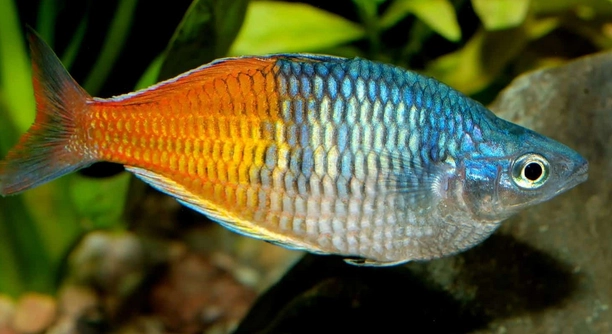
Rainbow fish are beautiful creatures that add a vibrant touch to your aquarium. However, when they start pacing the glass, it can leave you wondering about their behavior. Understanding why they do this can help maintain a happy tank environment.
Rainbow fish may pace the glass due to stress, boredom, or a lack of stimulation. The behavior is often linked to a need for more space, inadequate tank conditions, or territorial instincts. It’s essential to assess their environment.
There are several reasons behind this pacing behavior, and addressing the underlying causes can improve your fish’s well-being. Knowing how to provide the right environment will help prevent stress and encourage more natural behaviors in your rainbow fish.
Common Reasons for Glass Pacing
Rainbow fish are naturally active swimmers, but when they start pacing the glass, it’s often a sign that something is off. Stress is one of the primary causes of this behavior. If the tank is too small or overcrowded, your fish may feel trapped and will swim in repetitive patterns. Poor water quality can also lead to discomfort, causing the fish to act out. Lack of hiding spots and too few plants can make the fish feel exposed and anxious. Even sudden changes in lighting or temperature can stress them out. Regular monitoring of their environment is key to keeping them calm and happy.
Fish are sensitive to their surroundings, and without proper care, they may exhibit pacing behavior. If you notice your rainbow fish pacing, the first step is to evaluate the conditions in the tank, including the water, tank size, and tankmates.
Ensuring proper tank size and good water quality is vital. Rainbow fish require plenty of swimming space and clean water to thrive. Regular water changes and filtration can keep harmful substances like ammonia or nitrites under control, which in turn can reduce stress and pacing.
Boredom and Lack of Stimulation
Pacing can also occur when rainbow fish are simply bored. If the tank has little to offer in terms of stimulation, such as hiding places or tank mates, the fish may swim aimlessly. This behavior is more common in younger, active fish who need something to engage them. Adding plants, decorations, or even changing up the tank layout can make a big difference. Rainbow fish enjoy having areas to explore, and a more dynamic environment can help reduce repetitive swimming.
Fish need mental and physical stimulation, just like any other pet. Consider adding new objects to their environment, like plants or caves. The variety can help break up the monotony and encourage more natural behaviors, such as resting in different areas or socializing with other fish.
Tank Size and Space
A small tank can make rainbow fish feel confined, leading to pacing behavior. They need room to swim freely, as they are naturally active. A tank size of at least 30 gallons is recommended for a small group, with more space if you plan on adding more fish.
Crowding can cause stress, which directly impacts the health of your rainbow fish. If the tank is too small, consider upgrading to a larger one. Giving your fish enough space reduces territorial disputes and allows them to swim naturally, reducing the likelihood of pacing. Make sure they feel comfortable in their environment.
Providing ample space also encourages natural social behaviors. When fish are given space to move around, they are less likely to feel stressed or threatened. This helps keep them calm and active without resorting to repetitive glass swimming. It’s an easy solution for improving their overall well-being.
Water Quality
Poor water quality is one of the leading causes of pacing. Fish can’t live in an environment filled with harmful chemicals, so it’s important to maintain clean water. Test the water regularly for ammonia, nitrites, and nitrates to ensure it’s safe.
If water quality is off, fish will often show signs of distress, such as pacing or darting around. You can prevent this by changing the water regularly, using a good filtration system, and avoiding overfeeding, which can lead to poor water conditions. Clean water keeps your fish happy and healthy.
A stable water environment also supports overall health. When the water is kept clean, rainbow fish are less likely to exhibit stress-related behaviors. This simple maintenance step ensures that your fish thrive, and it helps prevent unnecessary pacing. Regular care goes a long way in reducing discomfort for your pets.
Overcrowding
Overcrowding is a major contributor to stress for rainbow fish. When there are too many fish in a small tank, it creates competition for space and resources. This can lead to pacing, as fish try to find their own territory. A balance is key.
A crowded tank doesn’t allow rainbow fish to feel secure. They need room to explore without feeling threatened by others. Keeping the number of fish within the tank’s capacity will help reduce pacing and improve their quality of life. Less crowding leads to more natural, relaxed behavior in your fish.
Temperature and Lighting
Changes in temperature or inconsistent lighting can cause rainbow fish to act out. Rainbow fish thrive in temperatures between 72-78°F (22-26°C). If the water gets too hot or too cold, they may become agitated and pace the glass.
Lighting also affects their behavior. Too bright or too dim light can stress fish, leading to restlessness. Set your aquarium light to a stable schedule and ensure the water temperature stays consistent. This will create a more calming environment for your fish, reducing pacing and promoting healthier activity levels.
Tank Mates
Rainbow fish are generally peaceful, but the wrong tank mates can cause stress and pacing. Aggressive or overly territorial fish can bully them, leading to anxiety. Choose tank mates that are similar in size and temperament to avoid conflicts.
Adding peaceful companions will help rainbow fish feel more at ease, reducing the need for constant swimming. Fish that get along well provide a more relaxed environment, encouraging socialization instead of anxiety-driven pacing. The right tank mates can make a significant difference in how your fish behave and interact with their surroundings.
FAQ
Why does my rainbow fish swim back and forth?
Swimming back and forth, especially near the glass, can be a sign of stress or boredom. If the fish doesn’t have enough space to swim or there aren’t enough hiding places, it may resort to this behavior. It’s also common when the fish feels trapped in a smaller tank or experiences water quality issues. Check the tank’s size, water parameters, and decorations to see if the environment needs adjustments. Adding plants, decorations, and creating hiding spaces can help reduce this behavior.
Can rainbow fish pacing be a sign of illness?
Pacing can sometimes indicate a health issue, but it’s not always the case. Illness-related behavior is typically accompanied by other symptoms, such as loss of appetite, abnormal swimming patterns, or visible signs of disease like spots or lesions. If you notice these additional signs, it’s important to consult a vet or aquatic specialist. However, if your rainbow fish is pacing without any other symptoms, it’s more likely due to stress or environmental factors.
What size tank do rainbow fish need?
Rainbow fish need at least a 30-gallon tank if you plan to keep a small group. This gives them enough space to swim freely and helps reduce stress. A larger tank is better, especially if you’re adding more fish or want to ensure the fish are comfortable. The bigger the tank, the less likely they are to feel crowded or stressed, which can lead to behaviors like glass pacing.
Can overcrowding make rainbow fish pace the glass?
Yes, overcrowding can certainly cause rainbow fish to pace the glass. When there are too many fish in a small space, they become stressed due to competition for space and resources. Overcrowding can result in territorial disputes, lack of food, and more. Make sure the number of fish in your tank matches the tank’s size, and always provide enough room for each fish to feel secure. Reducing the number of fish can help alleviate the pacing.
What’s the best way to reduce glass pacing in rainbow fish?
To reduce glass pacing, ensure your rainbow fish have a spacious tank with clean water. Add decorations like plants, rocks, or caves for hiding spots, which can provide a sense of security. Make sure the water parameters are stable and that the fish are not stressed by changes in temperature or lighting. Keeping the environment enriched and varied can also help. Regular water changes, proper filtration, and a varied diet are essential to keeping your fish happy and active without pacing.
How do I know if my rainbow fish is stressed?
Stressed rainbow fish often exhibit signs such as pacing, hiding, or swimming erratically. They may stop eating or show changes in color. Pacing against the glass is a common sign of anxiety or discomfort. Stress can be caused by poor water quality, overcrowding, incompatible tank mates, or environmental changes like sudden shifts in temperature or lighting. Observing your fish regularly and maintaining a stable environment can help prevent stress and ensure the fish remain healthy and active.
Is it normal for rainbow fish to be active all the time?
Rainbow fish are naturally active and enjoy swimming around the tank. However, if they are constantly pacing the glass and not engaging in other activities like resting or interacting with other fish, it could be a sign that something is wrong with their environment. While they are energetic, it’s essential to balance their activity levels with proper care, such as providing enough space, enrichment, and water quality. They shouldn’t be overly agitated, but rather active in a healthy, calm environment.
Can temperature changes cause my rainbow fish to pace?
Yes, temperature fluctuations can stress rainbow fish, causing them to pace or behave abnormally. Rainbow fish prefer a stable temperature range of 72-78°F (22-26°C). If the water becomes too warm or too cold, they may become stressed and display erratic behavior. It’s important to monitor the water temperature regularly and use a heater if needed to keep it within the appropriate range. Avoid sudden changes in temperature, as this can be particularly stressful for your fish.
How often should I clean my rainbow fish tank?
Regular tank maintenance is crucial for keeping your rainbow fish healthy. Perform partial water changes (about 20-30%) once a week to maintain water quality. Clean the substrate and remove any uneaten food or debris to prevent pollution. It’s also essential to clean the filter every month to ensure proper filtration. Keeping the water clean will help prevent stress and promote a healthy environment for your fish, reducing the chances of pacing behavior.
Are rainbow fish social, or do they prefer to be alone?
Rainbow fish are social creatures and thrive in groups. Keeping them in small schools of at least five or six fish can help reduce stress and prevent pacing. They are not solitary fish and may become anxious if kept alone. Having tank mates that they feel comfortable with can also contribute to a more relaxed environment, reducing the likelihood of pacing. However, make sure that the tank is large enough to accommodate their social needs without overcrowding.
Final Thoughts
Rainbow fish are beautiful and active creatures, but when they start pacing the glass, it can be concerning. Understanding the reasons behind this behavior is key to improving their well-being. Whether it’s stress, boredom, or an unsuitable environment, there are a number of factors that can cause your fish to swim restlessly. The good news is that these issues are often preventable and manageable with a little attention to detail. By providing the right conditions, you can help your rainbow fish feel more at ease and reduce the pacing behavior.
Ensuring that your tank is the right size and has proper water quality is essential. Rainbow fish need space to swim and explore, and a cramped, dirty tank will lead to stress. Regular water changes, filtration, and careful monitoring of ammonia, nitrite, and nitrate levels will help maintain a healthy environment. Additionally, a tank that has plenty of hiding spots, plants, and decorations can give your fish the security they need. Rainbow fish are active, but they also need a place to rest and feel safe, so creating a more stimulating and comfortable environment is crucial.
Finally, remember that rainbow fish are social creatures. Keeping them in a group of at least five or six fish will help them feel more secure and reduce anxiety. The presence of compatible tank mates will also make them more comfortable. If you observe pacing, take the time to evaluate their surroundings. A little adjustment can go a long way in improving your fish’s behavior. With the right care, your rainbow fish can thrive and enjoy their time in the tank, swimming naturally without the stress of pacing.

Hello,
If you enjoy the content that we create, please consider saying a "Thank You!" by leaving a tip.
Every little bit helps us continue crafting quality advice that supports the health, happiness, and well-being of pets around the world, for pets of all shapes, sizes, and species.
We really appreciate the kindness and support that you show us!