
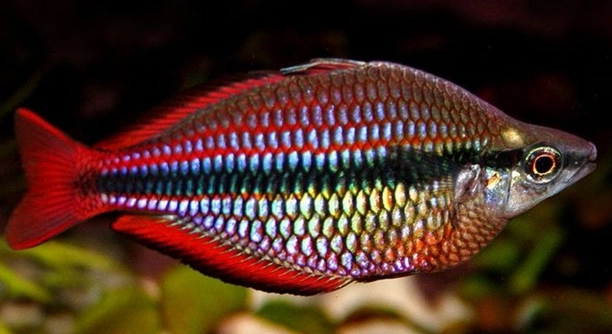
Rainbow fish are beautiful creatures, but sometimes, their behavior can raise concerns. If you’ve noticed your fish breathing heavily at night, you’re not alone. Understanding why this happens can help you care for them better.
Heavy breathing in rainbow fish at night is often caused by poor water quality or low oxygen levels in the tank. Factors like high temperatures, overcrowding, or inadequate filtration can contribute to these issues, leading to respiratory distress.
By monitoring your tank’s conditions and making necessary adjustments, you can help your rainbow fish breathe easier and stay healthy.
Common Causes of Heavy Breathing in Rainbow Fish
There are several reasons your rainbow fish may be breathing heavily at night. Water quality plays a significant role. If your tank’s water is high in toxins, like ammonia or nitrites, it can stress your fish and affect their breathing. Another key factor is oxygen levels. Poor oxygen circulation can make it harder for your fish to breathe. In addition, high water temperatures increase their metabolism, which can cause heavier breathing as they try to regulate their bodies.
Water conditions can deteriorate quickly, especially if you’re not changing the water regularly. Keeping an eye on the temperature, oxygen levels, and the cleanliness of the water can reduce stress for your fish.
Overcrowding is another common issue. When there are too many fish in a tank, there’s less oxygen for everyone. This leads to increased competition for the air and higher stress levels. A properly sized tank ensures each fish has enough space to thrive and breathe more easily.
Improving Water Quality for Better Breathing
To improve water quality, regular water changes are essential.
You should aim to change 20-30% of the tank’s water weekly. Testing the water for ammonia, nitrites, and nitrates ensures your fish are in a healthy environment. Adding a high-quality filter can also help remove waste and keep the water clean, reducing stress on your fish.
Adjusting Temperature and Oxygen Levels
Rainbow fish are sensitive to temperature fluctuations.
Maintaining a stable water temperature between 72-78°F (22-26°C) will help prevent stress. If the water is too warm, it can deplete oxygen levels faster, which will increase breathing rate. Adding an air stone or a sponge filter can help circulate the water and provide more oxygen.
The Impact of Overcrowding
When there are too many fish in a tank, oxygen levels can drop significantly. This leads to a higher demand for air, causing your rainbow fish to breathe more heavily. Space is crucial for fish to thrive and avoid stress, which can weaken their immune systems and overall health.
Overcrowding increases competition for food and oxygen, putting a strain on your fish. If you notice multiple fish showing signs of heavy breathing, it could indicate your tank is too small for the number of fish it holds. Consider moving some fish to a larger tank or reducing the population to improve conditions for everyone.
This stress can also affect their growth, making it difficult for them to reach their full potential. To prevent overcrowding, research the space requirements for each species and avoid stocking the tank with too many fish. Larger tanks provide more room for fish to swim and help maintain better water quality.
Tank Maintenance Tips
Regular tank maintenance can prevent many issues related to water quality, which directly impacts your fish’s health. Cleaning your tank every week is essential to ensure optimal conditions for your fish. Scrubbing surfaces, changing water, and cleaning the filter can help maintain water clarity and reduce harmful substances.
Use a gravel vacuum to clean the substrate, as waste can accumulate and affect water quality. Also, ensure that your filter is running efficiently. A filter with a good flow rate helps remove toxins and circulates oxygen, making it easier for your fish to breathe. You might also want to invest in a water test kit to check the levels of ammonia, nitrites, and nitrates. Keeping these in check will reduce stress and improve your fish’s breathing.
Regular maintenance also helps you detect issues early on. Small changes in behavior, like heavy breathing, can be signs that the tank needs attention. If you can spot issues quickly, you’ll be able to fix them before they lead to bigger health problems.
Monitoring Fish Behavior
Keep an eye on your rainbow fish’s behavior. Heavy breathing at night is often a sign of stress, but it can also indicate other health issues. Watching them closely during the day will give you a better sense of their overall health and any potential problems.
You should also observe their swimming patterns. If they’re swimming near the surface and gasping for air, it’s a clear indication of low oxygen levels. Changes in activity, such as lethargy or erratic swimming, can also point to issues that need addressing immediately.
Providing Proper Tank Size
Ensure your tank is large enough for the number of fish you keep. Crowding can lead to stress and health problems, making your fish more likely to breathe heavily. A larger tank gives your fish more room to move and breathe freely.
A good rule of thumb is to provide at least 1 inch of fish per gallon of water. This helps keep oxygen levels stable and allows for proper filtration. It’s always better to have a bit more space than less. Overcrowding will only increase the chances of heavy breathing and other health issues.
Adjusting Filtration System
Your filtration system plays a key role in keeping the tank clean and oxygenated. A good filter ensures water stays clear and removes harmful toxins. Make sure your filter is the right size for your tank.
If you notice heavy breathing, check the filter. A clogged or inefficient filter can lead to poor water quality and low oxygen, contributing to your fish’s stress. You may need to clean the filter regularly to keep it working effectively and replace it when needed.
FAQ
Why is my rainbow fish breathing heavily at night?
Heavy breathing in rainbow fish at night can be caused by several factors, including poor water quality, low oxygen levels, and high water temperatures. If your tank is overcrowded or if the water is not well-filtered, your fish may struggle to get enough oxygen, leading to heavy breathing. It’s important to check your tank’s water quality regularly and ensure that it’s properly filtered. High water temperature can also reduce oxygen levels, so maintaining a stable, cooler temperature is crucial for their health.
Can heavy breathing indicate a disease?
Yes, heavy breathing can sometimes signal an underlying illness or infection. In some cases, respiratory infections, parasites, or gill diseases can cause your fish to struggle to breathe. If your rainbow fish shows other signs like faded color, lesions, or lethargy, it could be a sign of a health problem that needs to be treated promptly. Regularly monitoring their behavior and appearance can help you catch any early signs of disease.
How do I increase oxygen levels in my tank?
To increase oxygen levels in your tank, consider adding an air stone or a sponge filter. These tools help circulate the water and increase surface agitation, which allows more oxygen to dissolve into the water. If your tank has a lid, removing it or partially opening it can improve airflow and oxygen exchange. You can also reduce the number of fish in the tank if overcrowding is an issue, as more fish means less oxygen for each one.
How can I improve my fish tank’s water quality?
To improve your tank’s water quality, make regular water changes a priority. Replace 20-30% of the water every week to ensure it stays clean and free from toxins like ammonia and nitrites. Additionally, make sure your filter is working efficiently, and clean it regularly to prevent clogging. Use a gravel vacuum to remove waste and debris from the bottom of the tank. Testing the water for ammonia, nitrites, and nitrates will also help you monitor water quality and make necessary adjustments.
Is my fish’s breathing rate related to temperature?
Yes, temperature can affect the breathing rate of your rainbow fish. Higher water temperatures increase the metabolism of fish, causing them to breathe faster. If the water is too warm, it can also reduce the amount of oxygen available for the fish. Keeping the water temperature between 72-78°F (22-26°C) is ideal for rainbow fish. It’s important to avoid sudden temperature changes, as this can stress your fish and affect their breathing.
Could poor filtration cause my rainbow fish to breathe heavily?
Yes, poor filtration is a common cause of heavy breathing in fish. If the filter is clogged or not powerful enough for the size of your tank, it can result in poor water circulation and higher toxin levels. This makes it harder for your rainbow fish to breathe, leading to heavy respiration. Make sure your filter is appropriately sized for the tank and clean it regularly to maintain good water quality.
How can I tell if my rainbow fish is stressed?
Rainbow fish that are stressed may exhibit several behaviors. These can include heavy breathing, staying near the surface of the water, erratic swimming, or hiding. You may also notice that the fish’s color fades or that they appear lethargic. Stress in fish can be caused by poor water quality, overcrowding, or incompatible tank mates. Paying attention to these signs will help you address issues early.
Is it safe to use a heater in my tank?
Yes, using a heater is safe and often necessary, especially if you live in a cooler environment. Maintaining a stable temperature helps reduce stress in your rainbow fish, which can prevent heavy breathing. However, make sure the heater is properly sized for your tank and set it to the appropriate temperature range for rainbow fish, between 72-78°F (22-26°C). Always check the heater’s function to avoid overheating the water.
What can I do if my tank is overcrowded?
If your tank is overcrowded, consider relocating some of your fish to a separate tank to reduce the population. Overcrowding leads to poor water quality and insufficient oxygen, both of which contribute to heavy breathing and other stress-related issues. If you’re unable to add another tank, you can try upgrading to a larger tank to provide more space for each fish. Make sure to also maintain proper filtration and water changes.
Why is my rainbow fish staying near the surface?
If your rainbow fish is staying near the surface and breathing heavily, it’s likely struggling to get enough oxygen. This is often a result of low oxygen levels in the water, which can be caused by poor circulation, high temperatures, or overcrowding. You can solve this by improving water circulation, adding an air stone, or adjusting the water temperature. Regular maintenance of your tank will help prevent this from happening in the future.
Should I be worried if my rainbow fish is breathing fast?
Fast breathing can indicate stress, poor water quality, or health issues. If your rainbow fish is breathing rapidly but doesn’t show other signs of illness, the issue might be related to water conditions, temperature, or oxygen levels. If the fast breathing is accompanied by other symptoms like loss of color, lesions, or swimming problems, it could be a sign of an infection or disease, and treatment may be necessary. Regular monitoring of water quality and fish behavior is essential.
Can heavy breathing in rainbow fish be temporary?
Yes, heavy breathing can be temporary. It’s not uncommon for fish to breathe more heavily during periods of stress, such as after a water change or when introduced to new tank mates. However, if the heavy breathing persists for more than a day or is accompanied by other signs of distress, it’s important to investigate water quality, oxygen levels, and overall tank conditions. Regular maintenance and observing your fish’s behavior will help determine if further action is needed.
Final Thoughts
Heavy breathing in your rainbow fish can often be a sign of underlying issues that need attention. It’s essential to monitor their behavior closely, as changes in breathing patterns can indicate stress, poor water quality, or other health concerns. By paying attention to factors like oxygen levels, water temperature, and overall tank conditions, you can help ensure your fish remain healthy and comfortable. Regular maintenance, such as water changes and cleaning the filter, plays a key role in maintaining a stable environment for your fish.
The most common causes of heavy breathing include overcrowding, poor filtration, and low oxygen levels. Overcrowding can make it difficult for your fish to get enough oxygen, while poor filtration can lead to harmful toxins building up in the water. Ensuring your tank is large enough for the number of fish you keep, using an appropriate filtration system, and regularly checking water quality will help keep your rainbow fish healthy. Additionally, maintaining a stable water temperature and monitoring the fish for signs of illness are crucial steps in preventing respiratory issues.
If you notice your rainbow fish breathing heavily at night, it’s important to act quickly and address the potential causes. Simple changes like improving water circulation or adjusting the temperature can often resolve the issue. If the problem persists or is accompanied by other concerning symptoms, it may be necessary to consult a professional or treat the fish for an infection or disease. With proper care and attention, you can provide a safe and healthy environment for your rainbow fish to thrive.

Hello,
If you enjoy the content that we create, please consider saying a "Thank You!" by leaving a tip.
Every little bit helps us continue crafting quality advice that supports the health, happiness, and well-being of pets around the world, for pets of all shapes, sizes, and species.
We really appreciate the kindness and support that you show us!