
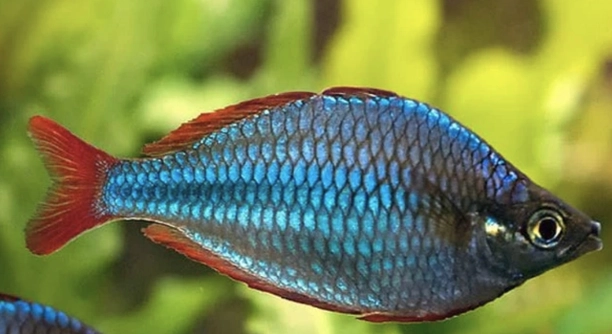
Is your rainbow fish spending too much time at the bottom of the tank, leaving you unsure if something might be wrong?
The most common reason a rainbow fish is breathing at the bottom of the tank is due to low oxygen levels in the water. Poor water quality, stress, or illness can also contribute to this behavior.
Understanding what affects your fish’s breathing and behavior can help you take the right steps to improve its health and comfort.
Common Causes of Bottom Breathing in Rainbow Fish
Rainbow fish may start breathing at the bottom of the tank due to a few key environmental or health issues. Poor water quality is one of the most frequent causes, especially if ammonia or nitrite levels are high. When the water isn’t clean, it becomes harder for the fish to breathe properly. Low oxygen levels are another problem. If your tank isn’t well-aerated, fish may move to the bottom where the oxygen can be slightly higher in some setups. Stress can also play a part—this includes sudden temperature changes, overcrowding, or aggressive tank mates. Lastly, illnesses such as gill parasites or internal infections might lead to labored breathing and low energy, keeping your fish near the bottom. Watching closely and testing the water is the first step. These signs shouldn’t be ignored, especially if the behavior continues for more than a day or two.
Testing your tank water is a good place to start. Ammonia and nitrite levels should always be at zero, and nitrate should stay low.
Once water issues are ruled out, pay attention to your fish’s appetite and behavior. Lack of interest in food or unusual swimming patterns may suggest a health issue. A vet who specializes in fish can help.
How to Help Your Rainbow Fish Feel Better
Start by improving the water conditions. Do a partial water change and clean any waste or uneaten food from the bottom of the tank. Add an air stone or increase the filter flow to improve oxygen levels. Double-check that the heater is working correctly and that the temperature is stable.
If your fish is still breathing at the bottom after those adjustments, look closely for signs of illness—like pale gills, clamped fins, or bloating. These signs might mean your fish needs medical care or treatment. Sometimes adding aquarium salt can help with mild stress or irritation, but be sure it’s safe for all your fish. Avoid adding any medicine unless you know what the issue is. Keep the lights on a gentle cycle and limit disturbances near the tank. Keeping things calm and consistent can support recovery. If you’re ever unsure, contacting a local aquatic specialist or vet can make a big difference.
What to Avoid When Your Fish Is Acting Strange
Avoid changing everything in the tank at once. Sudden changes in water chemistry, temperature, or layout can stress your fish even more. Stick to small, gradual changes and monitor how your rainbow fish reacts before doing anything else. Too much at once can do more harm than good.
Adding medication without knowing what’s wrong can lead to more issues. Not all treatments are safe for rainbow fish, and using the wrong one may damage their gills or stress them further. It’s also best not to overfeed during this time, as uneaten food can rot and lower the water quality. Turning lights on and off repeatedly or tapping on the tank glass might also stress your fish. Try to maintain a quiet and calm environment, limit disruptions, and avoid adding any new tank mates or decorations until your fish returns to normal behavior.
Changing filters too often or cleaning them with tap water can remove helpful bacteria that keep the tank balanced. It’s better to rinse filter media in tank water during a water change. Avoid over-cleaning the gravel, especially if your tank has been stable. Good bacteria live in the gravel and help break down waste. Disrupting them can make things worse.
Small Changes That Can Make a Big Difference
Raising oxygen levels in the tank helps a lot. You can do this by adding an air stone, increasing surface movement, or adjusting the filter output. Making sure the temperature is within range—between 74°F and 78°F—also keeps your rainbow fish more comfortable. Stick to soft lighting and avoid loud sounds nearby.
Watch how your rainbow fish acts after each change. If it starts swimming more or breathing less heavily, you’re likely on the right track. Adding a few live plants can also improve oxygen and give the fish a sense of security. Just make sure not to overcrowd the space. Keep your water testing kit close and check levels regularly until things settle down. Feeding your fish lightly, but consistently, is better than large meals while it recovers. If there are signs of infection—like redness, swelling, or white spots—consider reaching out to a vet. Treating early gives your rainbow fish a better chance to get well.
When to Call a Professional
If your rainbow fish continues to breathe heavily at the bottom for more than two days, it’s time to ask for help. A fish vet or an experienced aquatic specialist can provide the right guidance and help you avoid making things worse with guesswork.
Visible signs like clamped fins, pale gills, or strange swimming patterns are also reasons to act quickly. These may point to more serious health problems that need treatment. Getting advice early can help your fish recover faster and prevent the problem from spreading in your tank.
What Healthy Behavior Looks Like
A healthy rainbow fish swims around the tank calmly and shows interest in food. It usually stays in the middle or upper areas of the tank and interacts with other fish without looking stressed or aggressive. Breathing is steady, and gills move smoothly. Its colors should look bright and even, with no faded patches.
Keep Watching Closely
Even small changes in your rainbow fish’s behavior can tell you something important. Observing often helps you spot problems before they get worse.
FAQ
Why is my rainbow fish gasping at the surface instead of the bottom?
When a rainbow fish gasps at the surface, it often means the oxygen levels in the tank are too low. Fish go to the top where oxygen is more available. It may also mean there’s poor water circulation or the filter isn’t working well. Make sure the water is clean, and the filter is moving water properly. Adding an air stone can help too. If this continues after fixing the oxygen levels, there may be an illness affecting the gills. Keep an eye out for signs like inflamed or pale gills, and avoid overcrowding the tank.
Can low temperatures make rainbow fish stay at the bottom?
Yes, if the water is too cold, rainbow fish may become sluggish and settle near the bottom. Cold water slows their metabolism, making them breathe more heavily and move less. Rainbow fish do best in water between 74°F and 78°F. If your heater is broken or inconsistent, they may get stressed. Use a reliable thermometer to check the temperature often. Don’t place the tank near windows or vents where sudden drafts or heat can change the temperature. A stable tank is key for their comfort and activity.
Is it normal for rainbow fish to rest at the bottom sometimes?
It’s normal for rainbow fish to rest now and then, especially when the lights go off or after eating. But they shouldn’t stay at the bottom for long periods, especially if they look weak or are breathing hard. If it’s just occasional and they seem healthy otherwise, it’s probably nothing serious. Watch for changes in eating habits, color, or swimming patterns. If those stay normal, resting is fine. It becomes a concern when the fish seems tired, stressed, or hides at the bottom all the time without interest in food or movement.
Should I quarantine my rainbow fish if it shows strange behavior?
Yes, it’s a good idea to move a rainbow fish to a quarantine tank if it shows unusual behavior. This helps prevent the spread of possible illness to other fish. A simple 10-gallon tank with a heater, filter, and some hiding spots works well. Watch the fish closely in that setup. If it improves, the issue might be stress or bullying. If symptoms get worse, you can treat it safely without risking the rest of the tank. Always make sure the quarantine tank is cycled and has clean water.
What diseases could cause bottom-breathing in rainbow fish?
Some diseases affect the gills and can cause labored breathing and low activity. Gill flukes, bacterial infections, and internal parasites are common causes. Signs might include rubbing against objects, pale or swollen gills, weight loss, or white stringy poop. A fish with these symptoms should be checked by a vet if possible. Medication is sometimes needed, but you should never treat without knowing the exact problem. Water testing, a calm environment, and isolation in a hospital tank can help you narrow down the cause and prevent it from spreading.
Can stress alone make rainbow fish act this way?
Yes, stress can absolutely cause a rainbow fish to breathe heavily or hang near the bottom. Loud noises, aggressive tank mates, sudden water changes, or poor lighting can all be stressful. Even moving things around in the tank too often can upset them. Signs of stress include rapid breathing, hiding, or a sudden change in color. Giving the fish a peaceful environment, consistent care, and time to adjust can help. If things improve after removing the stressor, the fish should return to its normal behavior.
What should I feed my rainbow fish while it’s recovering?
When recovering, rainbow fish benefit from small, easy-to-digest meals. Offer high-quality flakes, soft pellets, or frozen foods like brine shrimp or daphnia. Avoid overfeeding, especially if the fish seems weak. Too much food will make the water dirty and harder to manage. Feed once or twice a day in small amounts. If your fish isn’t eating, try switching up the food type or warming it up slightly in tank water to bring out the scent. Keeping food varied and gentle helps support recovery without adding stress.
Final Thoughts
Caring for rainbow fish means paying close attention to their behavior and environment. If your rainbow fish is breathing at the bottom, it’s often a sign that something isn’t right. It could be the water quality, low oxygen levels, temperature problems, stress, or even illness. These issues are common in tanks and can usually be fixed with a few careful changes. Watching your fish daily and checking the tank’s conditions can help you spot problems early. The sooner you respond, the better chance your fish has to feel normal again. Fish may not be able to speak, but they do show signs when something is off.
Simple actions like checking the water temperature, testing for ammonia and nitrite, or adding an air stone can make a big difference. A clean tank with steady conditions is the best thing you can offer. Don’t rush to use medications unless you’re sure what the issue is. Try to avoid overfeeding, large water changes, or big changes in the tank layout all at once. A calm, steady setup helps your rainbow fish recover and stay healthy. If you notice signs of disease or continued distress, it’s always best to ask for help from someone who understands fish care. A second opinion can prevent mistakes and save time.
Rainbow fish are peaceful and active when they’re healthy. Seeing them hide or struggle to breathe at the bottom of the tank can be worrying, but it doesn’t always mean something serious is wrong. Often, with small steps and a little patience, things can return to normal. Whether the cause is water-related, stress, or something else, what matters most is staying calm and being observant. Keep learning about your fish, take notes if needed, and trust that over time, you’ll get better at understanding what they need. Keeping a healthy tank is a process, and every small improvement helps create a better space for your fish to thrive.

Hello,
If you enjoy the content that we create, please consider saying a "Thank You!" by leaving a tip.
Every little bit helps us continue crafting quality advice that supports the health, happiness, and well-being of pets around the world, for pets of all shapes, sizes, and species.
We really appreciate the kindness and support that you show us!