
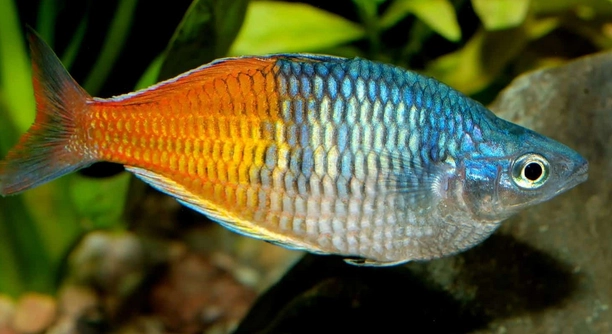
Rainbow fish are known for their vibrant colors and peaceful nature, but sometimes they can become aggressive. This behavior can be puzzling for aquarium owners, especially if their fish have previously been calm.
The primary cause of aggression in rainbow fish is territorial behavior. This often occurs when there is overcrowding, improper tank setup, or stress due to incompatible tank mates. Addressing these factors can help reduce aggression.
Understanding the reasons behind their aggression will help you take the necessary steps to calm your rainbow fish. There are simple solutions to manage their behavior and create a peaceful environment.
Common Causes of Aggression in Rainbow Fish
Rainbow fish can become aggressive for several reasons, but one of the most common causes is a lack of space. In a cramped aquarium, fish feel stressed and may start fighting over territory. This happens more often when multiple males are present in the same tank, as they compete for dominance. Additionally, rainbow fish can act aggressively if there are too few hiding spots or if the tank environment is not well-structured. Proper tank size and the right tank setup are key to minimizing aggressive behavior.
Fish aggression can also arise when they are stressed due to environmental changes. Factors such as fluctuating water temperatures, incorrect pH levels, or dirty water can trigger unwanted behavior. Stress impacts the fish’s ability to remain calm, and they may lash out at other tank mates. These physical and environmental stressors are often the root of aggression, especially when combined with crowded conditions.
Finally, incompatibility between tank mates can escalate aggression. While rainbow fish are generally peaceful, they may not get along with certain species. It’s important to choose compatible tank mates that won’t threaten or harass the rainbow fish.
How to Identify Aggression in Rainbow Fish
The signs of aggression in rainbow fish can be subtle but noticeable. Look for behaviors such as chasing, nipping, or territorial displays.
When rainbow fish show aggression, they might chase other fish away from specific areas in the tank. They may even nip at fins or bite their tank mates. This behavior is most common during breeding or when the fish feel threatened. It’s important to pay attention to these signs and take action before things escalate further.
Tank Size and Space
The size of your tank plays a significant role in reducing aggression. If the tank is too small, your fish will feel cramped, leading to territorial disputes. Aim for at least 30 gallons of water for a small group of rainbow fish to give them enough space to swim freely.
A larger tank allows rainbow fish to spread out and avoid constant interactions with each other. This can drastically reduce stress, as each fish can claim its own space without feeling threatened. Additionally, having a spacious environment helps the fish stay active and healthy, preventing negative behavior due to frustration.
When selecting a tank size, consider the number of fish you plan to keep. Each rainbow fish needs adequate space to thrive. Avoid overstocking the tank to ensure your fish don’t feel overcrowded. More room means more peaceful fish, as they won’t feel the need to compete for space.
Tank Setup and Hiding Spots
Incorporating plenty of plants, rocks, and decorations into the tank setup can also reduce aggression. These additions provide hiding spots where fish can retreat when feeling threatened.
Rainbow fish are more likely to show aggressive behavior if there’s nowhere to escape from their tank mates. Adding plants, caves, and other decorations gives them a chance to retreat into a safe space. This helps them feel secure and reduces stress levels. In nature, rainbow fish have plenty of places to hide, and replicating that environment in your aquarium can work wonders for their behavior.
If you’re setting up your tank, make sure there are multiple hiding spots available, especially for the smaller or weaker fish. This way, they can avoid confrontations and stay out of the way of more dominant fish. Creating this environment is key to ensuring peace in the tank.
Water Quality
Maintaining good water quality is essential for preventing aggression in rainbow fish. Dirty or polluted water can stress them out and make them more likely to fight. Regular water changes and proper filtration help ensure a healthier environment for your fish.
Monitoring the pH, ammonia, and nitrate levels in the tank is crucial. Poor water conditions are often overlooked, but they are a common trigger for stress and aggression. Keeping the water clean will allow your rainbow fish to feel more comfortable and calm, reducing the chances of territorial disputes.
Tank Mates Compatibility
Choosing compatible tank mates can make a huge difference in reducing aggression. Some species are more prone to aggression or can trigger stress in rainbow fish. It’s important to avoid aggressive or overly active fish that may constantly disturb the peace.
When selecting tank mates, go for peaceful species that won’t challenge your rainbow fish. Ensure that the other fish aren’t overly territorial or aggressive. Rainbow fish tend to get along well with other calm species, like tetras or peaceful barbs, making them ideal tank companions.
Feeding Habits
Feeding habits can influence fish behavior. Overfeeding can lead to aggression, as fish compete for food. Feeding rainbow fish the right amount will prevent unnecessary stress.
Rainbow fish can become aggressive if they feel they need to compete for food, especially when overfed. It’s essential to feed them the proper amount without leaving excess food in the tank. If there’s always enough food for everyone, they’re less likely to fight over it.
FAQ
Why do my rainbow fish chase each other?
Chasing is a common behavior, especially among males. It usually occurs when they are establishing dominance or competing for territory. This is more likely to happen in smaller tanks or when there are too many males. The best way to address this is by providing more space and ensuring there are plenty of hiding spots for the fish to retreat to when they need some space. Sometimes, chasing can also happen during breeding periods, as the males try to impress the females.
Can rainbow fish live with other species?
Yes, rainbow fish can live with other species, but it’s important to choose peaceful tank mates. They tend to get along well with smaller, non-aggressive fish like tetras or peaceful barbs. Avoid housing them with larger, more aggressive species that may harass or outcompete them for food. The key to a harmonious tank is ensuring that all the species are compatible, and there’s enough space for everyone to thrive.
How can I reduce stress in my rainbow fish?
Stress can be minimized by maintaining good water quality, providing ample space, and avoiding overcrowding. Make sure the water parameters—like pH, temperature, and hardness—are suitable for your rainbow fish. Additionally, providing plenty of hiding spots and keeping tank mates peaceful will help reduce stress. Stress is often the root cause of aggression, so making the environment comfortable and stable is essential for their well-being.
Why is my rainbow fish hiding all the time?
Rainbow fish are usually social and active, so if they’re constantly hiding, it may indicate stress or illness. Common causes include poor water quality, aggression from other fish, or incompatible tank mates. If you notice your rainbow fish hiding frequently, check the water parameters and consider if the tank setup is too stressful. Adding more hiding places can help, but make sure the environment is peaceful overall.
Can male rainbow fish be kept together?
While male rainbow fish can live together, they are more likely to display aggression toward each other, especially in smaller tanks. They often compete for territory or dominance, which can lead to fighting. To reduce this behavior, make sure there’s enough space, and consider adding more females to balance the dynamic. The presence of females can help minimize male aggression, as they will focus more on courtship rather than territorial disputes.
How often should I change the water in a rainbow fish tank?
Regular water changes are crucial for keeping your rainbow fish healthy and preventing aggression. It’s recommended to change about 25-30% of the water every 2 weeks. In heavily stocked tanks, more frequent changes may be necessary. Always ensure the new water matches the tank’s temperature and pH to avoid stressing the fish. Consistent water changes will keep the environment clean and stable, reducing the chances of disease and aggression.
Are rainbow fish more aggressive during breeding?
Yes, aggression tends to increase during the breeding season. Males often become more territorial and may chase or nip at each other as they compete for females. To reduce aggression during this time, provide plenty of hiding spots and ensure the tank has sufficient space. If breeding is not your goal, you can limit the number of males or remove any that are being overly aggressive.
Can rainbow fish live in a community tank with other peaceful species?
Rainbow fish are generally peaceful and can live in a community tank with other non-aggressive species. The key is choosing compatible tank mates that won’t stress or provoke them. Avoid housing them with aggressive species or those that might outcompete them for food. Peaceful community tanks work best when there’s enough space, hiding spots, and no overcrowding.
What should I do if my rainbow fish are being too aggressive?
If your rainbow fish are showing excessive aggression, start by reviewing the tank’s environment. Check for overcrowding, lack of hiding spots, or incompatible tank mates. Consider adding more plants or decorations to provide more territory and hiding spots. If aggression continues, you may need to adjust the tank size or reduce the number of males. Ensuring good water quality and peaceful surroundings is essential for reducing aggression.
Final Thoughts
Rainbow fish are beautiful and generally peaceful creatures, but they can become aggressive if certain conditions aren’t met. Aggression is often triggered by factors like overcrowding, stress, poor water quality, or incompatible tank mates. By understanding these causes, you can create a more peaceful environment for your fish. Proper tank size, a well-planned setup with enough hiding spots, and careful attention to water quality are all important steps to reduce aggression. Keeping the tank clean and ensuring that your rainbow fish have enough space to swim and establish their own territories can significantly improve their behavior.
Additionally, the right tank mates play a crucial role in maintaining harmony. Rainbow fish usually do well with other peaceful species, but they can become stressed or aggressive if housed with more dominant or territorial fish. If aggression becomes a problem, consider rearranging the tank or adding more hiding spots to give your fish the option to avoid conflicts. In some cases, removing overly aggressive fish or adding more females can help balance out the dynamics in the tank. Being mindful of their natural behavior and needs will allow your rainbow fish to thrive without unnecessary aggression.
While it may take some time to get everything just right, making small adjustments to your tank’s setup and environment can lead to a more peaceful aquarium. Watching your rainbow fish interact peacefully with their surroundings and tank mates is incredibly rewarding. The effort you put into their care will ensure they stay healthy and happy for years to come.

Hello,
If you enjoy the content that we create, please consider saying a "Thank You!" by leaving a tip.
Every little bit helps us continue crafting quality advice that supports the health, happiness, and well-being of pets around the world, for pets of all shapes, sizes, and species.
We really appreciate the kindness and support that you show us!