
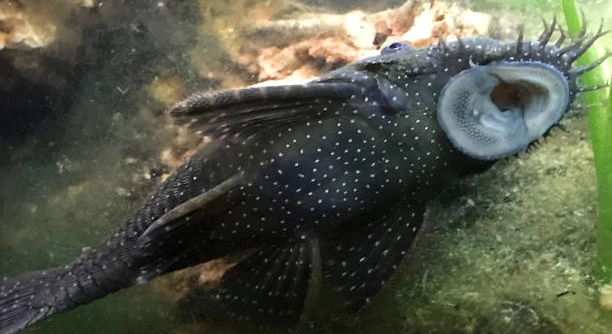
A vibrating tail on your plecostomus may seem unusual, but it’s actually a common behavior that many aquarium owners notice. Understanding this behavior can help ensure your fish stays healthy and comfortable in its environment.
The tail vibration is often linked to communication or stress. Plecostomus may vibrate their tails to express their emotions, ward off other fish, or adjust to changes in their surroundings. It’s a way of signaling or reacting to stimuli.
There are several factors that could be causing this behavior, from water quality to tank mates. Learning more can help you ensure the well-being of your plecostomus.
Why Is Your Plecostomus Vibrating Its Tail?
Tail vibrations in plecostomus can happen for a variety of reasons. It’s not necessarily a sign of trouble, but it’s important to observe the behavior closely. This can occur when the fish feels threatened, stressed, or excited. It could also happen when they are interacting with other fish or trying to communicate. Pay attention to your fish’s environment. If your plecostomus vibrates its tail constantly, it’s a good idea to assess water quality, tank mates, and any possible stressors that could be causing discomfort. The behavior is typically harmless but worth understanding.
Sometimes, plecostomus tail vibrations are a result of territorial or social behavior. If you have multiple fish in the tank, your plecostomus may be expressing dominance or asserting its space. On the other hand, the vibrations could indicate that the fish is interacting with another plecostomus or other species nearby. It’s important to notice if any other fish are also acting unusually.
Vibrating their tail can also be linked to physical discomfort. If the plecostomus seems stressed or is repeatedly vibrating, check the water quality, tank temperature, and whether the tank is overcrowded. The vibrations could stem from a sudden change in their environment, like new additions to the tank or fluctuations in the water conditions.
Stress or Physical Discomfort
Stress is a common factor behind tail vibrations. If your plecostomus feels uncomfortable due to changes in its environment, it might react by vibrating its tail.
The tail vibration could be a sign of poor water quality, such as high levels of ammonia or nitrites, which are toxic to fish. Water conditions need to be regularly checked. Make sure your tank has proper filtration, and monitor pH levels, temperature, and oxygen. If your plecostomus is vibrating its tail frequently and showing signs of distress, it could be an indication that the fish is struggling to adjust to its environment.
Also, ensure there’s enough space in the tank for the plecostomus to move around freely. Fish that feel cramped might express their frustration through tail vibrations. Stress caused by environmental factors can also lead to health problems if not addressed. Regular water changes, proper tank maintenance, and ensuring a peaceful tank environment are key factors in reducing stress for your plecostomus.
Tank Mates and Their Impact
When there are other fish in the tank, plecostomus may vibrate their tails as a form of communication or to assert their space. It’s common for plecos to use their tail to signal to other fish, especially if they feel threatened or crowded.
If your plecostomus is sharing the tank with more aggressive fish, it might vibrate its tail to establish dominance. This is usually a defensive behavior, where the fish tries to communicate its territory. If the other fish are too pushy, this may increase the frequency of tail vibrations.
It’s essential to choose compatible tank mates that won’t cause stress. Avoid overly aggressive fish that could provoke constant tail vibrations. Additionally, plecostomus can feel overwhelmed in tanks with too many fish, which might lead to tail shaking. Watching how your fish interact can provide clues about any tank mate-related stress.
Water Quality and Its Effect
Water quality plays a major role in a plecostomus’s health and behavior. Poor water conditions are a common reason behind tail vibrations.
If the water is too dirty or imbalanced, it can cause discomfort, prompting the plecostomus to vibrate its tail. Ammonia, nitrites, and low oxygen levels can all contribute to unhealthy conditions that stress fish. Regular water testing and maintenance are key to preventing these issues.
Additionally, temperature fluctuations can affect plecos, causing them to react with behaviors like tail vibrations. If the tank is too warm or cold, your plecostomus might become stressed and use its tail to signal discomfort. Always maintain consistent water parameters, and make sure your filtration system is working properly to keep the environment healthy and stable for your fish.
Stress from Environmental Changes
Plecostomus are sensitive to sudden changes in their environment. If there’s a shift in tank conditions, such as water temperature or lighting, they may react by vibrating their tail. This is their way of expressing discomfort.
Changes like moving tank decorations or adjusting the filter can also cause stress. Fish that are not used to these alterations might show signs of agitation, including tail vibrations. Always try to maintain consistency in your plecostomus’s environment to avoid causing unnecessary stress.
Introducing new elements slowly can help your fish adjust better, minimizing their reaction to changes.
Overcrowded Tanks
An overcrowded tank is another possible reason for your plecostomus’s vibrating tail. When there’s not enough space to swim freely, fish may become anxious and agitated.
Plecostomus are bottom dwellers, and they need enough space to move around and find places to hide. Overcrowding leads to competition for resources like food and shelter, which increases stress. Be mindful of the number of fish in the tank and their individual space needs to prevent this behavior.
Potential Health Concerns
Tail vibrations could indicate underlying health issues. If a plecostomus is sick or in pain, it might use its tail to communicate distress.
Infected or injured fish may show symptoms like tail vibrations due to their discomfort. If the vibrations are paired with other unusual behaviors, such as lack of appetite or sluggishness, it’s important to check for signs of illness. Proper care, such as maintaining water quality and addressing any injuries, can help prevent this behavior.
FAQ
Why does my plecostomus vibrate its tail?
Tail vibrations in plecostomus often happen as a form of communication or due to stress. Plecos use their tails to interact with other fish or express discomfort in their environment. When they feel threatened, crowded, or unsure, they may vibrate their tail. It’s typically a sign that something in their environment is bothering them, whether it’s tank mates, water quality, or environmental changes.
Can stress cause my plecostomus to vibrate its tail?
Yes, stress is a common cause of tail vibrations. Plecostomus are sensitive to changes in their environment, such as poor water quality, overcrowded tanks, or new tank mates. When these factors cause anxiety or discomfort, your plecostomus might vibrate its tail as a way to communicate distress. Maintaining a stable environment and avoiding sudden changes can reduce stress and prevent tail vibrations.
Is it normal for my plecostomus to vibrate its tail all the time?
Constant tail vibration is not typical and could indicate an ongoing problem. If your plecostomus vibrates its tail frequently or for long periods, it’s important to evaluate its environment. Check the water quality, temperature, and tank conditions. If the behavior persists, consider whether the tank is overcrowded or if tank mates are causing stress. Constant vibrations may also signal health concerns, so observing the fish for other signs of distress is essential.
Can water quality affect tail vibrations in plecostomus?
Yes, poor water quality can significantly impact your plecostomus. High levels of ammonia, nitrites, or low oxygen levels can cause discomfort and stress, leading to tail vibrations. Regular water testing, good filtration, and proper tank maintenance are key to preventing these issues. Clean, well-maintained water helps your plecostomus stay healthy and reduces the chances of abnormal behaviors like tail shaking.
How can I reduce the tail vibrations of my plecostomus?
To reduce tail vibrations, start by improving the overall environment of your tank. Check the water parameters regularly, maintain a proper filtration system, and ensure the temperature is consistent. Avoid overcrowding and make sure your plecostomus has enough space to swim. Providing hiding spots and ensuring your tank mates are compatible will also help reduce stress, which could minimize tail vibrations.
Do plecostomus tail vibrations mean they are sick?
Tail vibrations may not always indicate illness, but they could be a sign of distress or discomfort. If your plecostomus shows other signs of illness, such as lack of appetite, lethargy, or unusual swimming patterns, the vibrations could be linked to health problems. It’s important to monitor the fish closely and check for other symptoms. If you suspect an illness, consider consulting with a vet or fish expert to address the problem.
Can plecostomus tail vibrations be caused by tank mates?
Yes, tank mates can cause plecostomus to vibrate their tails, especially if the other fish are too aggressive or territorial. Plecostomus often use tail vibrations as a way to communicate or assert their space when other fish invade their territory. If there are aggressive tank mates, this could increase stress, causing your plecostomus to react with tail vibrations. Choosing compatible fish and maintaining a peaceful environment can help reduce these behaviors.
How do I know if my plecostomus is stressed?
Stressed plecostomus may display several signs, including tail vibrations, hiding more than usual, or refusing to eat. Other symptoms may include erratic swimming, fast breathing, or staying near the surface of the water. If you notice any of these behaviors, it’s important to address the cause of the stress by checking the water quality, ensuring enough space, and providing a calm, stable tank environment.
Can plecostomus tail vibrations be caused by water temperature?
Yes, fluctuations in water temperature can cause stress, leading to tail vibrations. Plecostomus are sensitive to temperature changes, and if the water is too hot or too cold, they may react by vibrating their tails. Maintaining a stable, appropriate water temperature is crucial for the health and well-being of your fish. Regularly monitor the temperature and make adjustments as needed to keep it consistent.
Are plecostomus tail vibrations harmful to the fish?
In most cases, tail vibrations are not harmful to the plecostomus itself but are a way for the fish to communicate or express discomfort. However, if the vibrations are a sign of chronic stress, it could lead to long-term health issues. It’s essential to address the underlying cause of the stress to prevent any harm to your plecostomus. Regular tank maintenance, proper care, and a stable environment will help your fish stay healthy and avoid harmful effects.
What are the common reasons plecostomus vibrate their tail?
The most common reasons plecostomus vibrate their tail are stress, discomfort, and communication. This behavior can happen when the plecostomus feels threatened, crowded, or experiences environmental changes. Poor water quality, incompatible tank mates, or overcrowded tanks are some of the leading causes of stress in plecostomus. Monitoring and maintaining a stable environment will help reduce tail vibrations.
Final Thoughts
Plecostomus are fascinating fish, known for their unique behavior and ability to keep tanks clean. However, tail vibrations are one of the more unusual actions they might display. While it’s a natural behavior in some situations, it’s important to understand when it signals a problem. Whether it’s a response to stress, environmental changes, or even health concerns, these vibrations are a way for your plecostomus to communicate. Recognizing the cause of the tail vibrations is the first step in addressing any underlying issues.
Maintaining a stable environment for your plecostomus is key to preventing stress-related tail vibrations. Regular water testing, proper filtration, and appropriate tank temperature are essential in keeping your fish happy and healthy. Plecostomus thrive in a calm environment with plenty of space to move around and hide when needed. Overcrowding, incompatible tank mates, or sudden changes in the tank setup can trigger stress, leading to these unwanted behaviors. By ensuring your plecostomus feels safe and comfortable, you can reduce the chances of tail vibrations.
If your plecostomus continues to vibrate its tail despite your efforts to maintain a stable environment, it may be worth seeking professional advice. A vet specializing in fish or an aquarium expert can help you identify any potential health issues and recommend solutions. Tail vibrations are not always a sign of sickness, but they should not be ignored if accompanied by other concerning behaviors. Keeping a close eye on your plecostomus and addressing any problems promptly will help ensure that your fish thrives in its tank environment.

Hello,
If you enjoy the content that we create, please consider saying a "Thank You!" by leaving a tip.
Every little bit helps us continue crafting quality advice that supports the health, happiness, and well-being of pets around the world, for pets of all shapes, sizes, and species.
We really appreciate the kindness and support that you show us!