
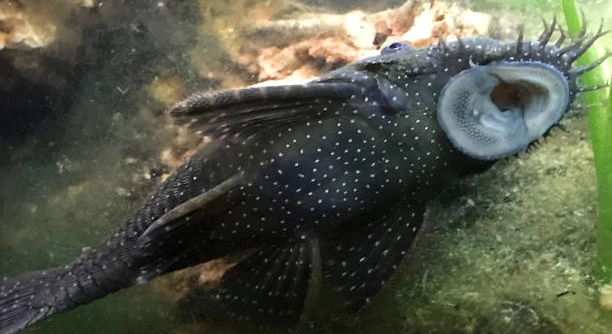
A common concern among Plecostomus owners is when their fish begins swimming in circles. This behavior can be unsettling, and understanding its cause is important for maintaining a healthy aquatic environment.
Swimming in circles can be caused by stress, water quality issues, or a lack of space. Poor water conditions, such as high ammonia levels or improper temperature, can lead to abnormal behavior. Additionally, confinement in a small tank may exacerbate this issue.
Addressing the factors behind this behavior will help ensure your fish remains healthy and comfortable in its environment.
Common Causes of Circle Swimming in Plecostomus
When a Plecostomus swims in circles, it’s often linked to water quality problems. Ammonia, nitrite, or nitrate levels that are too high can irritate the fish’s gills, causing them to act erratically. Water temperature that is too high or too low can also contribute to this behavior. For Plecostomus, ideal water conditions are critical. Regularly testing the water for these levels can help prevent issues before they affect the fish’s behavior.
Aside from water quality, stress plays a significant role. Plecostomus are generally shy creatures. Constant movement, loud noises, or other fish disturbing them can lead to stress, resulting in odd swimming patterns. It’s important to keep the environment calm and peaceful.
In addition, the size of the tank is a factor. Plecostomus can grow large, and if they don’t have enough room to move freely, they might start swimming in circles. A cramped space can lead to frustration and unusual behavior. Make sure your Plecostomus has ample space for swimming and hiding when needed.
How Stress Affects Your Plecostomus
Stress can cause a Plecostomus to exhibit erratic behavior, such as swimming in circles. This might occur if the fish feels threatened or out of place in its tank.
The presence of other fish can sometimes cause problems. Plecostomus tend to be peaceful, but aggression from tank mates, either in the form of chasing or territorial behavior, can make them anxious. Stressful interactions can lead to abnormal swimming patterns, which might indicate the fish is trying to escape an uncomfortable situation. Make sure to monitor the tank for any aggressive fish or overcrowding.
Tank Size and Space Limitations
A cramped tank can lead to swimming in circles. Plecostomus are large fish that need plenty of space to move freely. If the tank is too small, they won’t have the room to swim properly, which may lead to frustration and abnormal behavior. It’s crucial to provide ample swimming space.
In an overcrowded tank, other fish can also contribute to the problem. If Plecostomus is constantly bumping into other tank mates or struggling for space, it may start swimming erratically. For proper growth and behavior, it’s recommended that a single Plecostomus has a tank of at least 75 gallons. This ensures it has enough room to roam and feel secure.
When designing a tank for your Plecostomus, consider adding hiding spots. Plecostomus prefer spaces where they can retreat and feel safe. Rock caves or PVC pipes placed in the tank can offer the privacy they need, reducing stress and preventing the constant circle swimming.
Proper Water Filtration and Oxygenation
Adequate filtration is essential for Plecostomus. If the filtration system isn’t working properly, toxins can build up in the water, causing health issues for the fish. This can lead to erratic swimming patterns, including circles. Ensuring good water flow is key.
Oxygenation plays a role as well. Plecostomus require oxygen-rich water to stay healthy. In tanks with poor oxygen flow, they may swim in circles or try to find areas with better oxygen levels. A reliable filter that promotes water circulation helps in maintaining a steady oxygen supply, making it easier for your Plecostomus to thrive.
Poor Water Conditions
Ammonia and nitrate levels that are too high can harm your Plecostomus, causing abnormal behavior like swimming in circles. Regular water changes and testing can help keep the tank conditions ideal. Ensure the pH levels, temperature, and overall water cleanliness are within the recommended range for Plecostomus.
If you notice your Plecostomus swimming in circles, start by checking water parameters. High levels of toxins can lead to irritation, which causes the fish to act erratically. Use a water test kit to check ammonia, nitrite, and nitrate levels regularly. Maintaining a clean tank will improve the behavior and health of your fish.
Tank Mates
Tank mates can influence a Plecostomus’s behavior. Aggressive or overly active fish may stress out your Plecostomus, leading to abnormal swimming. Choose peaceful tank mates that won’t interfere with your Plecostomus’s space.
Ensure all tank mates are compatible with your Plecostomus’s temperament. It’s crucial to monitor interactions regularly to avoid stressing the fish out. Adding non-aggressive species that coexist peacefully can help keep your Plecostomus calm and prevent unusual swimming patterns.
FAQ
Why is my Plecostomus swimming in circles?
Swimming in circles can be a sign of several things. The most common causes are stress, poor water quality, and lack of space. If your Plecostomus is confined to a small tank, it may become frustrated and exhibit abnormal behavior. Similarly, if water conditions like high ammonia or nitrate levels are out of balance, it can cause discomfort. Plecostomus also prefer calm environments, so if there is too much disturbance from other fish or external factors, they may swim in circles as a response to stress.
Can tank size impact my Plecostomus’s behavior?
Yes, tank size plays a major role in your Plecostomus’s well-being. These fish need plenty of space to swim, especially as they grow. A cramped tank leads to frustration and anxiety, which can cause erratic swimming behavior, such as swimming in circles. The minimum recommended size for a single Plecostomus is 75 gallons, providing ample space for swimming and hiding. If they feel cramped or crowded, their behavior will likely become abnormal.
How do water conditions affect my Plecostomus?
Water quality is essential for maintaining healthy behavior in Plecostomus. Poor water conditions, such as high ammonia or nitrate levels, can lead to stress and swimming in circles. Regular water changes, testing, and proper filtration are necessary to maintain ideal water quality. A stable environment helps prevent behavioral issues and ensures your fish remain healthy. Keeping water temperature, pH, and hardness within recommended ranges also promotes a comfortable habitat for your fish.
Can stress cause a Plecostomus to swim in circles?
Yes, stress is one of the main reasons why your Plecostomus may swim in circles. Stressors can come from many sources, such as aggressive tank mates, a noisy environment, or sudden changes in water quality. Plecostomus are naturally shy fish and prefer calm surroundings. If they feel threatened, crowded, or disturbed, they may exhibit abnormal behavior like swimming in circles. Reducing stress by creating a peaceful, stable environment is crucial for your Plecostomus’s health.
What are the signs of poor water quality in my Plecostomus tank?
Signs of poor water quality include cloudy water, strong odors, or visible fish stress, such as erratic swimming. If ammonia or nitrate levels are too high, your Plecostomus might show symptoms like swimming in circles, gasping at the surface, or hiding. You should regularly test water parameters such as pH, ammonia, nitrite, and nitrate levels to ensure everything is in balance. Poor water quality can harm your fish, so it’s important to address these issues immediately.
How often should I change the water in my Plecostomus tank?
For optimal health, change about 25-30% of the water in your Plecostomus tank every two weeks. However, if the tank has a high bio-load or water quality declines quickly, more frequent water changes may be necessary. This helps maintain stable water conditions, reduces toxins, and prevents the buildup of waste. Use a reliable filtration system to keep the water clean between changes, and always check water parameters to ensure the environment is healthy.
What should I do if my Plecostomus keeps swimming in circles?
If your Plecostomus is consistently swimming in circles, start by checking the water quality. Test for high ammonia, nitrite, and nitrate levels, and perform a water change if necessary. Ensure the tank is large enough for your fish and that it’s not overcrowded. Also, check for any signs of stress or aggression from other fish. If the problem persists, it may be worth consulting with a veterinarian who specializes in aquatic animals to rule out any underlying health issues.
Can poor filtration lead to abnormal swimming in my Plecostomus?
Yes, poor filtration can contribute to abnormal swimming behaviors, including swimming in circles. Filtration helps remove waste, toxins, and excess nutrients that can pollute the water. Without proper filtration, these contaminants can build up, causing stress and health problems for your Plecostomus. A well-maintained filtration system ensures clean water and supports the overall health of your fish, reducing the likelihood of abnormal swimming behavior.
Are there any signs that my Plecostomus is stressed?
Signs of stress in Plecostomus include erratic swimming, hiding for long periods, loss of appetite, and changes in color. If your Plecostomus is swimming in circles or behaving unusually, it could be a sign of stress caused by poor water quality, aggressive tank mates, or lack of space. A stressed Plecostomus may also display rapid gill movement or swim toward the surface frequently. Identifying and addressing the stressor is important to restore your fish’s health.
Can my Plecostomus’s behavior improve with better water quality?
Yes, improving water quality can significantly improve your Plecostomus’s behavior. Clean, well-filtered water helps reduce stress and irritants that may be causing your fish to swim in circles. Regular water changes and maintaining optimal water parameters help create a healthier environment. As water conditions improve, your Plecostomus may become calmer and more active in a natural way, rather than exhibiting abnormal behavior.
Do Plecostomus need specific tank mates?
Yes, Plecostomus thrive in peaceful communities. They do well with other non-aggressive fish that are not overly active or territorial. Aggressive or highly active tank mates can stress out your Plecostomus, leading to abnormal behaviors like swimming in circles. Ensure your tank mates are compatible, and avoid species that may cause stress or compete for space. Plecostomus are bottom dwellers, so it’s also important to provide enough space at the bottom of the tank for them to explore.
What kind of hiding spots should I provide for my Plecostomus?
Plecostomus appreciate hiding spots where they can retreat and feel secure. Providing caves, PVC pipes, or rock structures allows them to have a place to rest away from other fish. This not only helps reduce stress but also mimics their natural habitat. By giving your Plecostomus the option to hide, you allow them to feel more comfortable, which can reduce abnormal swimming behavior.
Final Thoughts
Understanding the reasons behind your Plecostomus swimming in circles is key to addressing the problem. Several factors, such as poor water quality, stress from tank mates, or even a small tank size, can cause this behavior. It is important to regularly test the water and maintain clean conditions to support the health of your fish. High ammonia or nitrate levels are common culprits and should be monitored closely to ensure your Plecostomus thrives in its environment. A simple water change and proper filtration can go a long way in resolving the issue.
Tank size and water conditions are not the only things to consider. The behavior of your other tank mates can also affect your Plecostomus. If there is aggression or too much activity in the tank, your fish may react by swimming in circles or exhibiting other abnormal behavior. Choose peaceful tank mates and avoid overcrowding the tank to give your Plecostomus plenty of space to move freely. By creating a calm and peaceful environment, your Plecostomus will feel secure and less likely to engage in stressful swimming patterns.
If your Plecostomus continues to swim in circles despite improving water quality and reducing stress, it may be worth consulting a veterinarian. Sometimes, behavior changes can be linked to health issues that need professional attention. However, by maintaining the right environment and taking preventative steps, most issues can be avoided. Keeping your Plecostomus’s tank clean, choosing compatible tank mates, and ensuring adequate space will contribute to a happy and healthy fish. Regular observation and care will help you ensure your Plecostomus leads a long, comfortable life.

Hello,
If you enjoy the content that we create, please consider saying a "Thank You!" by leaving a tip.
Every little bit helps us continue crafting quality advice that supports the health, happiness, and well-being of pets around the world, for pets of all shapes, sizes, and species.
We really appreciate the kindness and support that you show us!