
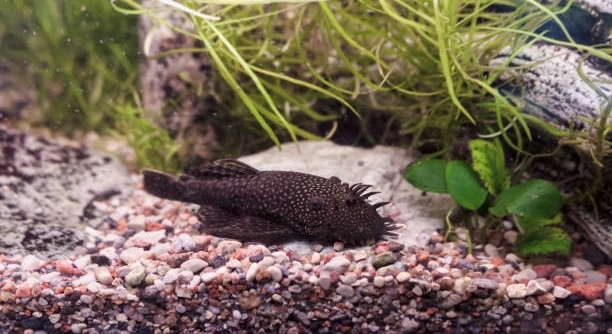
A healthy, active plecostomus is essential for maintaining the balance of your aquarium. If your pleco seems less active than usual, it can be concerning. Understanding the possible reasons behind their behavior is crucial for their well-being.
The primary reason for an inactive plecostomus can be environmental factors, such as water quality, temperature, or insufficient hiding spots. Stress from tank mates, lack of food, or improper water conditions may contribute to lethargy.
Identifying the root cause will help you create the best environment for your plecostomus. Proper care and attention can restore your pleco’s activity levels and contribute to their overall health.
Water Quality and Temperature
Your plecostomus is highly sensitive to water quality. Poor water conditions can significantly affect their behavior. If the water is too dirty or improperly filtered, your pleco may feel stressed, leading to inactivity. Test the water regularly for ammonia, nitrite, and nitrate levels. The ideal water parameters should be 6.5 to 7.5 pH, with a temperature between 75°F and 80°F. Sudden changes in temperature can shock your plecostomus, making them retreat into hiding.
When the water quality is subpar, it is important to clean the tank and perform regular water changes. Using an effective filter can help maintain a stable environment. A healthy tank promotes a healthier plecostomus.
Water quality is essential for your pleco’s well-being. Ensuring that the water is clean and maintained at the right temperature helps in preventing inactivity. Make these adjustments to restore your plecostomus to its active self.
Lack of Hiding Spaces
A lack of hiding spots can stress your plecostomus, making them feel exposed and insecure. Plecos are naturally nocturnal and prefer quiet, hidden areas during the day. Without sufficient caves or hiding spots, they may remain inactive or retreat for long periods.
Adding decorative caves, driftwood, or plants can provide necessary shelter. Make sure the pleco has a secure place to rest and retreat. The more secure they feel, the more likely they are to come out and explore during the day.
Creating a comfortable and secure environment for your pleco is key to encouraging normal activity. Your plecostomus will benefit from the addition of hiding spots.
Tank Mates
Tank mates can influence your plecostomus’s behavior. Aggressive fish or overly active companions may make your pleco feel threatened, leading to inactivity. A peaceful and calm community tank helps create a stress-free environment for your pleco.
Ensure that your plecostomus is not being harassed or overcrowded by other fish. Compatibility with tank mates is crucial. Avoid aggressive species like cichlids or fish that might compete for food. Keeping your pleco with docile fish will reduce stress and help maintain their activity levels.
If you notice your pleco hiding frequently or staying in one spot, observe if other fish are causing stress. Reducing aggression in the tank can bring back your plecostomus’s energy and prevent them from retreating into hiding. It’s important to monitor interactions and adjust tank mates as needed.
Diet and Feeding Schedule
Your plecostomus needs a balanced diet to stay active. A lack of sufficient food or a poor diet may cause your pleco to become sluggish. Offer a variety of foods, such as algae wafers, vegetables, and occasional protein sources, to keep them nourished.
Feed your pleco once or twice a day, ensuring the food is appropriate for its diet. Overfeeding can lead to water quality problems, so be mindful of the amount given. Offer fresh vegetables like zucchini or cucumber to provide nutrients and keep your pleco engaged.
A healthy feeding routine supports a more active and healthy plecostomus. If you’re unsure of what to feed, it’s always a good idea to research and adjust based on your pleco’s specific needs. A proper diet can encourage your pleco to move more and interact with its environment.
Illness or Injury
If your plecostomus seems unusually inactive, illness or injury could be the cause. Look for signs like unusual swimming patterns, lesions, or visible wounds. These signs may indicate that your pleco is not feeling well and is staying inactive to recover.
Take immediate action by isolating your pleco in a quarantine tank to prevent the spread of potential diseases. Ensure proper water conditions and treat for any recognized illnesses. If the condition worsens, consult a veterinarian who specializes in fish to get a proper diagnosis and treatment plan.
Overcrowding
Overcrowding can cause stress, reducing your plecostomus’s activity level. A crowded tank limits space for your pleco to move, affecting its behavior. Make sure your tank is large enough for all the inhabitants.
If overcrowding is the issue, consider upgrading to a larger tank or removing some fish to reduce the stress. A less crowded environment gives your plecostomus the space it needs to thrive.
FAQ
Why is my plecostomus hiding all the time?
Plecostomus are nocturnal fish, and it is normal for them to hide during the day. They prefer dark, quiet spaces to rest. If your pleco is constantly hiding, check if the tank provides enough hiding spots, such as caves or plants. It could also be responding to stress from other fish or environmental factors like water quality or temperature. A pleco may retreat when stressed or uncomfortable, so it’s important to monitor the tank conditions and ensure they feel safe.
How can I encourage my plecostomus to be more active?
To encourage your plecostomus to be more active, focus on creating an environment where they feel secure and comfortable. Ensure your tank is large enough, with plenty of hiding spots for them to retreat to. Additionally, maintain clean water with proper filtration, and provide a proper diet. A well-fed plecostomus is more likely to stay active and interact with its environment. Reducing stress from aggressive tank mates or overcrowding can also help bring back your pleco’s natural behavior.
Can a plecostomus live with other fish?
Yes, plecostomus can live with other fish, but it’s important to choose compatible tank mates. Peaceful species like tetras, guppies, or other community fish are ideal. Avoid aggressive species that could harass the pleco. Incompatibility with certain fish, such as cichlids or territorial species, can cause your plecostomus to become stressed and inactive. Always observe your pleco’s behavior to ensure it’s not being bullied or outcompeted for food.
Is it normal for my plecostomus to eat plants?
Yes, plecostomus may nibble on plants, especially soft-leaved varieties. While they are primarily herbivores, they also enjoy algae and biofilm that grow on plants. If your pleco is eating plants, ensure you provide a sufficient algae wafer or other plant-based foods to prevent them from damaging the plants in your tank. Hardier plants like anubias or java fern are less likely to be eaten but are still part of the pleco’s natural environment.
What water conditions are best for a plecostomus?
Plecostomus thrive in water that is clean, slightly acidic to neutral, and warm. The ideal temperature range is between 75°F and 80°F, and the pH should be around 6.5 to 7.5. Regular water changes and good filtration are crucial for keeping the tank’s water quality at optimal levels. Test your water frequently for ammonia, nitrites, and nitrates to ensure it is within safe parameters for your pleco.
Why isn’t my plecostomus eating?
If your plecostomus isn’t eating, there may be several factors at play. Water quality issues, stress from other fish, or illness could all be contributing to the problem. Make sure the food you’re offering is appropriate for your pleco, and avoid overfeeding to maintain proper water conditions. Sometimes, plecos will fast if they are adjusting to a new tank or new tank mates. If the lack of appetite continues, consult a veterinarian who specializes in fish for advice.
Can a plecostomus live alone?
Yes, a plecostomus can live alone. They are generally solitary fish and don’t require the company of others to thrive. However, they do need a peaceful environment with appropriate tank mates. If you choose to keep your pleco alone, ensure that the tank has enough hiding spots and that water quality is consistently maintained.
How do I know if my plecostomus is stressed?
Signs of stress in a plecostomus can include excessive hiding, lack of appetite, lethargy, or unusual swimming patterns. They may also scrape against objects or appear more aggressive than usual. Stress can result from poor water quality, overcrowding, incompatible tank mates, or changes in their environment. If you notice these signs, it’s important to check the tank conditions and address any factors that could be contributing to their discomfort.
What should I feed my plecostomus?
Plecostomus are primarily herbivores, and their diet should consist of algae wafers, vegetables like zucchini, cucumber, and spinach, as well as occasional protein-rich foods such as brine shrimp or bloodworms. You can also supplement their diet with driftwood, which provides essential fiber for digestion. Offer a variety of foods to ensure your pleco gets all the nutrients it needs. Make sure to feed them in small amounts to avoid water contamination from leftover food.
How often should I feed my plecostomus?
Feed your plecostomus once or twice a day. Make sure not to overfeed, as plecos can be prone to overeating, which may lead to water quality problems. It’s important to remove uneaten food after a few hours to prevent it from decaying and affecting the water conditions. Providing fresh vegetables and algae wafers on a regular basis will help maintain a healthy diet for your pleco.
Can plecostomus survive in freshwater?
Yes, plecostomus are freshwater fish. They thrive in freshwater tanks, although some species of plecos are found in brackish water. It’s important to ensure that the tank conditions, including temperature and pH, are appropriate for the specific species you own. Freshwater tanks with good filtration and regular maintenance will create a healthy environment for your plecostomus.
Why is my plecostomus turning brown or pale?
If your plecostomus is turning brown or pale, it could be a sign of poor water conditions, stress, or illness. Check the water parameters, including temperature, pH, and ammonia levels. Stress from tank mates or changes in the environment can also cause your pleco to lose its color. If the issue persists, a visit to a fish veterinarian may be necessary to rule out any health problems.
Final Thoughts
Plecostomus are fascinating fish that can live long and healthy lives when properly cared for. However, if you notice that your pleco is inactive or behaving unusually, there are several factors to consider. It’s essential to understand the basic needs of these fish, such as water conditions, diet, and tank environment. If your pleco is hiding more than usual, it might be stressed, sick, or simply adjusting to a new environment. Providing a stable and comfortable habitat can help your pleco thrive.
Water quality plays a crucial role in the well-being of your plecostomus. Regularly checking the tank’s pH, temperature, and ammonia levels ensures a healthy environment for your fish. Overcrowding can cause stress and inactivity, so make sure your tank is the right size and not too crowded. Keeping the tank clean and providing enough hiding spots allows your pleco to feel safe and secure. Ensuring that your pleco has a balanced diet, including fresh vegetables and algae wafers, will also help maintain their activity levels and overall health.
While plecos are generally low-maintenance, they do require attention to their specific needs. By observing your plecostomus closely and addressing any changes in behavior, you can create an environment that fosters their health and happiness. If issues persist, such as constant hiding or lack of eating, it may be time to consult a specialist in fish care to rule out underlying health problems. Maintaining good tank conditions and offering the right care will help ensure that your plecostomus remains an active and content member of your aquarium.

Hello,
If you enjoy the content that we create, please consider saying a "Thank You!" by leaving a tip.
Every little bit helps us continue crafting quality advice that supports the health, happiness, and well-being of pets around the world, for pets of all shapes, sizes, and species.
We really appreciate the kindness and support that you show us!