
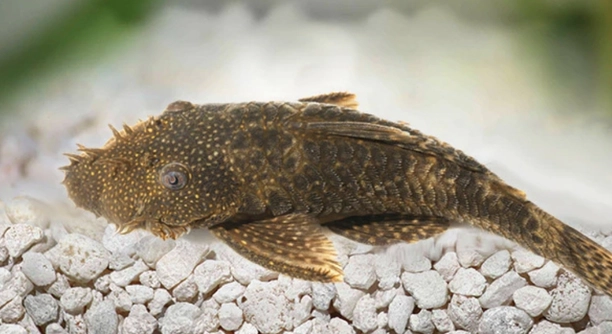
When introducing new fish into your aquarium, it’s common to notice some of your fish, like the plecostomus, acting shy. Their behavior may seem odd, but it’s actually quite natural for them to be cautious.
The plecostomus may display shyness around new fish due to territorial behavior, stress, or unfamiliarity with the newcomers. Plecos are generally solitary creatures and can be sensitive to changes in their environment, including the introduction of other fish.
Understanding why your plecostomus behaves this way will help you create a more harmonious aquarium environment for all your fish.
Why Plecostomus Are Naturally Shy Around New Fish
Plecostomus are peaceful and solitary fish, often found hiding in the corners or under rocks in their aquarium. They enjoy calm environments, which makes sudden changes like the introduction of new fish stressful for them. These fish are naturally shy and may retreat to hide when they sense unfamiliar creatures nearby. This behavior is driven by their instinct to protect themselves from potential threats. Plecos are not aggressive, but they do tend to keep to themselves.
When new fish are added, the plecostomus may feel that its territory is being encroached upon. Even though the pleco is typically non-aggressive, the stress of the unknown can cause it to hide. It’s important to understand that these shy behaviors are part of their natural instinct to avoid danger. Over time, as the plecostomus becomes accustomed to the new fish, it may gradually feel more comfortable sharing the space.
If you’re trying to create a peaceful environment, consider adding new fish slowly and observe how your pleco reacts. This will help reduce the stress your plecostomus feels, allowing it to adjust at its own pace.
Factors Contributing to Shyness
Environmental changes play a significant role in your plecostomus’s behavior.
Aquarium conditions such as water temperature, water flow, and the tank’s layout can impact how comfortable a pleco feels. If there are large changes to these conditions, your pleco may become more shy or even hide more frequently. This is especially true if the new fish are more active, which can make the plecostomus feel overwhelmed. It’s essential to maintain stable conditions to avoid creating unnecessary stress.
The key to a peaceful tank is ensuring both new and existing fish are able to coexist without feeling threatened. Proper tank setup, gradual introductions, and keeping the pleco’s environment stable will help your fish feel more secure.
Stress and Anxiety in Plecostomus
Stress is a major factor when it comes to the behavior of your plecostomus. They are sensitive to changes in their environment, and new fish can trigger anxiety. This may cause your pleco to hide more often. Reducing stress is essential for their well-being.
Fish like the plecostomus are known for their calm and shy nature. When new fish are introduced, the pleco may feel threatened or insecure. These feelings can lead to hiding or a decrease in activity. It’s vital to monitor the tank carefully during this time and give the pleco space. Stress can also lead to physical issues, so it’s important to keep an eye on their behavior.
A gradual introduction of new fish can help your plecostomus adjust without feeling overwhelmed. Allowing time for the pleco to get used to new tank mates will ensure they feel secure in their environment. This process helps reduce anxiety, allowing them to return to their normal, peaceful behavior.
Territorial Behavior of Plecostomus
Plecos are naturally territorial and may perceive new fish as intruders. This territorial instinct can make them more shy and withdrawn. A plecostomus may not immediately accept newcomers, even if they aren’t aggressive.
To prevent territorial issues, it’s important to provide enough hiding spots in your aquarium. Plecostomus like to have their own space, and overcrowding or a lack of hiding places can make them feel threatened. When new fish are introduced, ensuring that the tank offers plenty of places for the pleco to retreat can help reduce stress. If your pleco feels it has its own space, it is more likely to relax and adapt to the new fish.
Over time, the pleco will likely become more accustomed to the new tank mates. However, it’s crucial to respect their need for space and give them time to adjust to the changes. The more comfortable your plecostomus feels, the more likely it will be to coexist peacefully with other fish.
Tank Setup and Layout
A well-structured tank setup can help ease the plecostomus’s shyness. Providing plenty of hiding spots and ensuring enough space will make your pleco feel more secure. This can reduce the anxiety they feel when new fish are added to the tank.
A good tank layout includes rocks, caves, and plants where your plecostomus can retreat. If the pleco has its own space to hide and feel safe, it will be less likely to become stressed by the presence of new fish. The more comfortable the pleco feels in its environment, the easier it will be for them to adjust to changes.
Proper tank maintenance is also key. Clean water and stable conditions will support your pleco’s overall health, making it easier for them to adapt to new tank mates.
Fish Behavior and Interactions
Fish behavior can vary based on species. Plecostomus are typically peaceful, but some new fish can be more active, which might cause the pleco to retreat. Understanding how different species interact will help you manage your tank better.
Plecostomus are bottom dwellers, so they prefer quiet, stable areas of the tank. When new, more active fish are introduced, it can create stress due to different swimming patterns and energy levels. The pleco may become shy and withdraw more, which is a natural response. Watching your fish interact can help you ensure a peaceful coexistence.
Feeding Time and Plecostomus Behavior
Feeding time can affect how your plecostomus behaves around new fish. If food is plentiful, the pleco might be more confident and willing to share space with new arrivals. However, limited resources may cause more stress.
FAQ
Why does my plecostomus hide when new fish are introduced?
Your plecostomus hides around new fish because it is naturally shy and territorial. These fish are sensitive to changes in their environment and may feel stressed when new tank mates are introduced. Plecos are solitary creatures and prefer to have their own space. When new fish appear, the plecostomus may retreat to its hiding spots to feel safer. Over time, it may become more accustomed to the new fish as it adjusts to the change.
How can I help my plecostomus feel more comfortable with new fish?
You can help your plecostomus feel more comfortable by introducing new fish slowly and providing plenty of hiding spots in the tank. Giving the pleco space to retreat to when needed will reduce stress. Maintaining a stable environment with proper water temperature and conditions will also make your pleco feel more secure. Avoid making rapid changes to the tank, as it can cause unnecessary anxiety for the pleco.
Do plecostomus need specific tank mates?
Plecostomus are peaceful fish and can usually coexist with a variety of tank mates, but it’s important to choose species that are not too aggressive. Fish that are too active or territorial may stress the pleco out. Smaller, calmer species work best with plecos. It’s also important to ensure the tank is large enough for everyone to have their own space. A well-maintained aquarium with adequate hiding spots and room to swim will make it easier for your pleco to adapt to new tank mates.
Can plecostomus be kept with other bottom dwellers?
Plecostomus are bottom dwellers, so it’s important to choose tank mates carefully. Keeping them with other bottom-dwelling fish could lead to competition for space and food. However, if there’s enough space in the tank and hiding spots for everyone, plecos can usually get along with other bottom dwellers. Ensure the tank is large enough to accommodate all the fish and provide areas where each fish can retreat to feel safe. Watch for signs of aggression or stress to ensure all fish are happy.
How long does it take for a plecostomus to adjust to new fish?
The time it takes for a plecostomus to adjust to new fish can vary. It typically takes a few days to a few weeks. The pleco may initially hide more often, but as it gets used to the presence of the new fish, it should gradually become more active and less shy. Giving the pleco time to acclimate without forcing interactions will help it feel more secure. The process depends on the pleco’s personality and how well the new fish are introduced to the tank.
Can I speed up the process of my plecostomus getting used to new fish?
While you can’t force the plecostomus to adjust more quickly, you can help by keeping the tank environment calm and stable. Avoid making frequent changes and ensure the pleco has access to hiding spots. Gradual introductions to new fish—perhaps one or two at a time—can reduce stress for the pleco. You can also feed your pleco separately to ensure it doesn’t feel threatened during meal times. Patience is key, and the pleco will adjust at its own pace.
Is it normal for plecostomus to be shy even after long periods of time?
Yes, it’s normal for plecostomus to remain shy even after being in the tank for a while. Plecos are naturally solitary fish that prefer peaceful environments. While they may eventually get used to their tank mates, they tend to remain more withdrawn compared to other species. If the pleco has its own space to retreat to and is not under stress, there’s no cause for concern. As long as the pleco is eating and behaving normally, being shy is part of its natural personality.
How can I tell if my plecostomus is stressed?
Signs of stress in plecostomus include hiding more than usual, erratic swimming patterns, loss of appetite, and unusual behavior like scratching against objects in the tank. If you notice these signs, check the tank conditions, including water quality, temperature, and oxygen levels. Stress can also result from overcrowding, aggressive tank mates, or sudden changes in the environment. Reducing stressors and providing a more peaceful environment can help your plecostomus feel secure.
Can I put multiple plecostomus in the same tank?
You can put multiple plecostomus in the same tank, but it depends on the size of the tank and the species of pleco. Plecos are generally territorial and may not tolerate each other well in smaller tanks. In larger tanks, if there’s enough space and hiding spots, they can coexist. However, be prepared for some competition for territory. It’s important to observe the plecos and ensure that they’re not displaying aggressive behavior toward each other.
How do I know if my plecostomus is comfortable with new fish?
When your plecostomus feels comfortable with new fish, it will gradually become less shy and start to explore the tank more. The pleco may also stop hiding and resume its usual behaviors, like scavenging for food. If the pleco is still hiding frequently, not eating, or showing signs of aggression, it might still be stressed. Ensuring the tank has plenty of space and hiding spots will help the pleco feel more secure in the presence of new fish. Keep an eye on their interactions to gauge comfort levels.
Final Thoughts
Understanding why your plecostomus is shy around new fish can help you create a more comfortable environment for them. Plecos are naturally cautious and prefer a stable, quiet setting. When new fish are introduced, it can disrupt the peace in the tank, causing stress and leading the pleco to hide. The key to helping them adjust is to be patient and create a peaceful environment that supports their need for personal space. With the right setup and careful introductions, your plecostomus can gradually feel more comfortable with new tank mates.
Tank layout and water conditions play a significant role in how your plecostomus behaves. By ensuring the tank has enough hiding spots, you can reduce stress and provide a safe retreat for your pleco. It’s also essential to monitor water quality regularly, as poor conditions can contribute to the fish’s shyness or health issues. A healthy, stable tank with appropriate tank mates can go a long way in making your pleco feel more secure. When introducing new fish, make the process gradual and avoid sudden changes to keep the pleco from becoming overwhelmed.
Finally, remember that every fish is different, and the time it takes for a plecostomus to adjust can vary. Some plecos may take longer to warm up to new fish, while others may adapt quickly. As long as your pleco has its own space to retreat to and is not showing signs of distress, there is no need to worry. With patience, careful monitoring, and attention to their environment, you can help your plecostomus adjust and enjoy a peaceful tank with its new companions.

Hello,
If you enjoy the content that we create, please consider saying a "Thank You!" by leaving a tip.
Every little bit helps us continue crafting quality advice that supports the health, happiness, and well-being of pets around the world, for pets of all shapes, sizes, and species.
We really appreciate the kindness and support that you show us!