
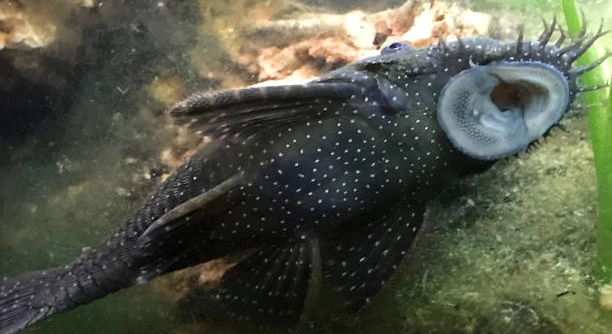
Sometimes, it can be concerning when your plecostomus seems to be lying on its side. If you’ve noticed this behavior, you’re likely wondering what’s going on with your fish. Understanding the cause can help you provide the best care possible.
The main reason for a plecostomus lying on its side could be stress, illness, or poor water conditions. It might also indicate an underlying health issue, such as swim bladder problems or an infection, which requires attention.
By learning more about the possible causes of this behavior, you can act quickly to help your pleco recover. Taking the right steps will ensure its health and well-being.
Stress and Environmental Factors
Stress is one of the most common reasons your plecostomus may be lying on its side. Fish can become stressed for various reasons, including sudden changes in water temperature, poor water quality, or even overcrowding in the tank. These factors can affect their health and cause them to behave unusually. If your tank’s water quality is not ideal, your pleco may struggle to breathe or move normally, leading to them resting on their side.
Checking the water’s temperature, pH levels, and ammonia levels can help you identify potential stressors. A pleco’s natural environment has specific water conditions, and even small fluctuations can cause discomfort. Make sure the tank is well-maintained with a proper filtration system and that the water parameters are stable. If your plecostomus is in a tank with too many other fish, it may not feel safe and secure, which can add to its stress.
When the water is cleaner and the environment is more stable, your pleco should start to feel better and resume normal activity. Regular water changes, proper filtration, and keeping your tank’s population manageable are key to reducing stress.
Illness or Injury
If your pleco is sick or injured, it might lie on its side to conserve energy.
Fish, like plecos, can develop various health issues, including infections, parasites, or injuries from rough handling. A sick fish may try to find a quiet spot to rest while its body focuses on healing. Infections can sometimes cause bloating, which affects their ability to swim. Parasites may lead to abnormal behavior and physical symptoms like redness, spots, or wounds.
If you suspect illness, observe your plecostomus closely for other signs such as faded coloration, rapid gill movement, or lack of appetite. Testing for parasites or any physical damage will help in diagnosing the problem. Treating these issues early is important to avoid further complications. There are fish medications available for various conditions, and many can be found at pet stores. If you’re unsure of what’s wrong, seeking help from a vet with experience in fish care can guide you in the right direction. It’s always best to act sooner rather than later when dealing with sick fish.
Swim Bladder Problems
Another common issue that can cause your pleco to lie on its side is swim bladder disease. The swim bladder is an organ that helps fish control their buoyancy and maintain a proper position in the water. If it becomes damaged or infected, your pleco might have difficulty swimming and could end up floating sideways or upside down.
Swim bladder issues can arise from a variety of causes, including overfeeding, constipation, or physical injury. In many cases, overfeeding leads to bloating, which can put pressure on the swim bladder and make it harder for the pleco to maintain its usual posture. Constipation can also cause similar problems. To prevent this, ensure you are feeding your pleco the right amount of food and monitor its diet closely. If overfeeding is a problem, consider adjusting how often you feed your fish.
In some cases, swim bladder issues can resolve themselves if the root cause is addressed, but in more serious situations, medical intervention may be required. If your plecostomus seems unable to swim properly for more than a few days, consult with an aquatic veterinarian for proper treatment.
Poor Diet and Feeding Habits
If your pleco isn’t getting the right nutrition, it could affect its health and behavior. An improper diet can lead to weak muscles, digestive issues, or lethargy, which might cause your fish to lie on its side. Plecos need a balanced diet that includes algae, vegetables, and the occasional protein source.
Overfeeding can also be a problem. It’s easy to overestimate how much food your plecostomus needs, especially since they can be quite eager to eat. Overfeeding can cause constipation or bloat, both of which may lead to abnormal behavior, such as lying on its side. Regularly monitor how much food you’re offering and make adjustments based on your pleco’s size and activity level.
If you notice your pleco’s diet may be lacking, try offering a wider range of foods, such as zucchini, cucumber, or sinking pellets designed for plecos. Maintaining a healthy diet will support their digestive system and prevent conditions that can cause unusual behavior. Over time, a proper feeding routine can help your fish feel better and more active.
Water Temperature and Filtration
Water temperature plays a significant role in your pleco’s well-being. If the temperature is too high or too low, it can stress your plecostomus, making it lie on its side. Plecos thrive in water between 74 and 80°F (23-27°C), so it’s important to keep the temperature stable.
The temperature can fluctuate if your tank heater is malfunctioning or if you’re not monitoring the water temperature consistently. Ensure your heater is functioning properly and check the temperature regularly. You can use a reliable thermometer to maintain an even, comfortable environment for your pleco. Rapid temperature changes can be particularly harmful, so try to avoid placing your tank near air conditioners, heaters, or windows with direct sunlight.
Along with the proper temperature, a well-functioning filtration system is essential for keeping the water clean and oxygenated. Poor filtration can lead to toxins building up in the water, which can stress your pleco and lead to health problems. Regularly clean the filter and perform water changes to maintain a healthy environment for your fish. A clean tank is crucial for your pleco’s health, reducing the chances of stress and illness.
Tank Size and Space
If your pleco’s tank is too small, it can cause stress, leading to abnormal behavior. Plecos need plenty of room to swim and explore, especially as they grow larger. A cramped environment can make them feel trapped or stressed, which may result in lying on their side.
Ensure your plecostomus has enough space to move around comfortably. Generally, a 75-gallon tank is recommended for an adult pleco, though smaller fish might thrive in slightly smaller tanks. Overcrowding with other fish can also increase stress levels, so it’s important to monitor how many fish are in the tank.
A larger, less crowded tank allows your pleco to establish its own space, reducing stress and promoting healthier behavior. You should also add hiding spots, such as caves or plants, where your pleco can retreat if it feels threatened.
Tank Mates
The presence of aggressive tank mates can also cause stress for your pleco. If your pleco is constantly being chased or harassed by other fish, it may retreat and display unusual behavior, such as lying on its side.
Ensure your pleco is paired with peaceful or similarly sized fish that won’t provoke it. Avoid placing overly territorial species or fin-nippers in the same tank. Keeping a peaceful tank environment will reduce stress and allow your pleco to feel more secure, encouraging natural behavior.
Overfeeding
Overfeeding can cause your pleco to develop health issues that affect its buoyancy. Plecos are bottom feeders and can be prone to overeating, leading to constipation or bloating.
If you’re feeding too much, it could result in your pleco struggling to digest its food properly. This can affect its ability to swim and may lead to it lying on its side. Offering small, controlled portions of food regularly will help prevent this.
FAQ
Why is my plecostomus not moving?
If your plecostomus is not moving, it could be due to several factors, including stress, illness, or poor water quality. In some cases, a pleco might become lethargic when the water temperature is too high or low. It’s important to check the tank’s water conditions, including temperature, pH, and ammonia levels. If the water isn’t suitable, your pleco might feel weak and stay in one spot. Illness or injury could also be at play, especially if your pleco appears bloated, has discolored spots, or seems physically injured. If you notice any unusual symptoms, it’s a good idea to consult an aquatic vet.
How can I tell if my plecostomus is stressed?
Stress in plecostomus fish can be identified by unusual behavior, such as hiding for long periods, not eating, or swimming erratically. Stress often arises from poor water quality, inappropriate tank mates, or changes in the environment. A stressed pleco may also lie on its side or become lethargic. It’s crucial to regularly test the water for ammonia, nitrites, and nitrates to ensure that the tank is safe. Also, consider the temperature and tank size. If your pleco is in a small tank or with aggressive fish, it may be more prone to stress.
Is it normal for plecostomus to lie on their side?
Occasionally, a plecostomus may lie on its side, but it’s usually not a sign of good health. This behavior could be due to several reasons like illness, poor water conditions, or even swim bladder problems. If your pleco only does this occasionally, it could be a sign of rest or comfort. However, if it becomes a regular occurrence or is paired with other symptoms like swelling or difficulty swimming, it’s time to investigate further. In these cases, address the water conditions, check for diseases, and ensure your pleco is not injured.
Can I fix my plecostomus’ swim bladder problem at home?
Swim bladder issues are common in plecostomus fish and can sometimes be managed at home. If your pleco’s swim bladder is causing it to lie on its side or float upside down, the first step is to check for overfeeding or constipation, as both are frequent causes. A fasting period of 2-3 days might help clear any digestive blockages. You can also try offering peas (skinned) to aid digestion. However, if the problem persists, or if the pleco appears to be suffering from more serious symptoms, it’s best to consult with a vet.
What water conditions are ideal for my plecostomus?
Plecostomus thrive in stable water conditions, with a temperature range between 74-80°F (23-27°C) and a slightly acidic to neutral pH level of 6.5-7.5. They also prefer soft to medium-hard water, so regular testing is important. Ammonia, nitrites, and nitrates should be kept as close to zero as possible. A strong filtration system helps keep the water clean, but you should also do regular water changes to prevent the buildup of harmful substances. If any of these levels are off, it can stress your pleco, potentially leading to it lying on its side or other health issues.
How often should I feed my plecostomus?
Plecostomus fish should be fed 2-3 times a week, with portions adjusted according to their size. Overfeeding can lead to bloating and swim bladder problems, making them more likely to lie on their side. Provide sinking pellets, algae wafers, and occasional vegetables like zucchini or cucumber. It’s essential to avoid overfeeding since plecos can sometimes appear hungry but don’t need to be fed continuously. Regularly remove any uneaten food from the tank to keep the water clean. If you notice your pleco struggling to swim after feeding, it could be a sign you’re offering too much.
What should I do if my plecostomus is floating upside down?
If your plecostomus is floating upside down, it could indicate a swim bladder issue, which may result from overfeeding, constipation, or an injury. Begin by fasting your pleco for a few days to allow its digestive system to reset. Afterward, offer small amounts of food like peas, which can help relieve constipation. If the issue continues, it’s important to assess the tank’s water conditions and ensure they are within optimal levels. If the problem persists or worsens, seeking help from an aquatic vet is a good idea, as swim bladder disease can sometimes be linked to more serious health concerns.
Is my plecostomus sick if it lies on its side?
Lying on its side doesn’t always mean that your plecostomus is sick, but it can be an indicator of health problems. Stress, improper water conditions, or physical injury could cause this behavior. If your pleco appears otherwise healthy—active when it’s swimming and eating—it might simply be resting. However, if it’s staying on its side for extended periods, or showing other signs like lethargy, faded color, or unusual swimming patterns, it’s a good idea to check for illness. Look for signs of external parasites, lesions, or other physical changes that might need medical attention.
How can I prevent my plecostomus from lying on its side?
To prevent your plecostomus from lying on its side, make sure its environment is stress-free. Maintain proper water conditions with a stable temperature, clean water, and low stress from other fish. Ensure the tank is large enough for your pleco to move around and that it’s not overcrowded. Additionally, avoid overfeeding and provide a balanced diet to prevent swim bladder issues. Regularly check for signs of illness and seek professional help if needed. A stable and healthy environment is the best way to ensure your pleco stays active and happy.
Final Thoughts
When you notice your plecostomus lying on its side, it can be concerning, but it’s important to understand that there are various factors that could be at play. It might be due to stress, illness, or environmental factors such as poor water quality or an unsuitable tank size. By paying close attention to your pleco’s behavior and its surroundings, you can often pinpoint the cause and address it before the situation becomes more serious. Regular maintenance of the tank, checking water parameters, and ensuring your pleco is in a peaceful environment can go a long way in keeping it healthy.
It’s also essential to remember that plecos, like all fish, need specific care to thrive. They need a balanced diet, proper tank mates, and enough space to move around. If you find that your plecostomus is consistently lying on its side, it’s a sign that something isn’t right, and it may require intervention. Whether it’s adjusting the water temperature, changing its food intake, or treating for illness, taking swift action can prevent further stress or harm. Be sure to also monitor their swim bladder and other health concerns that could cause buoyancy issues, as these often lead to the abnormal behavior of lying on their side.
In the end, understanding and addressing the root cause of the problem is the best way to ensure your plecostomus stays happy and healthy. By keeping the tank clean, maintaining the proper water conditions, and monitoring your pleco’s diet and behavior, you can provide the best care possible. If the issue persists despite your efforts, consulting with an experienced aquatic vet is always a good idea. They can help you identify more complex health issues and offer solutions that will ensure your pleco recovers and thrives in its home environment.

Hello,
If you enjoy the content that we create, please consider saying a "Thank You!" by leaving a tip.
Every little bit helps us continue crafting quality advice that supports the health, happiness, and well-being of pets around the world, for pets of all shapes, sizes, and species.
We really appreciate the kindness and support that you show us!