
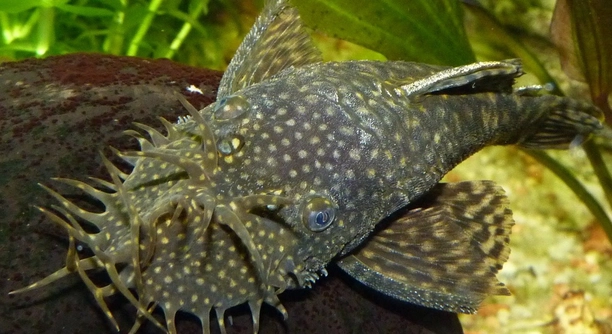
Is your Plecostomus not interacting with the other fish in your aquarium? It can be frustrating when your fish isn’t socializing as expected. Understanding this behavior will help you address any concerns you may have.
The main reason your Plecostomus is ignoring other fish could be due to its solitary nature. Plecostomus species often prefer staying in secluded areas or are less social by default, which can lead to them avoiding interaction.
There are several factors to consider when it comes to your Plecostomus’s behavior. Learning about its needs and habits will help you create a healthier and happier environment for your aquatic friend.
Understanding Plecostomus Behavior
Plecostomus fish are generally solitary creatures by nature. Unlike other fish, they don’t form tight social bonds. This means they may not be as interested in interacting with other fish. If your Plecostomus isn’t engaging with others, it might simply prefer its own space. These fish often enjoy hiding in crevices, caves, or under rocks in the aquarium. It is part of their natural instinct to stay away from more active species.
Their tendency to isolate also depends on the tank setup. A quiet and calm environment is ideal for them, which may make them appear distant. However, just because they are avoiding interaction doesn’t mean they are stressed or unhappy. Plecostomus are usually content if they have enough hiding spots and clean water.
In addition to their solitary habits, Plecostomus are bottom-dwellers. They spend much of their time near the substrate, eating algae and debris. This focus on feeding near the bottom may keep them away from other fish that swim higher up in the tank.
Tank Conditions That Affect Socialization
Fish tank conditions play a large role in how Plecostomus behave. If your Plecostomus isn’t interacting with others, it could be due to the water’s temperature, pH levels, or cleanliness.
Plecostomus prefer stable conditions, and if there is too much change or stress in the water, they may retreat more often. Providing a tank with calm water flow and enough places to hide can keep your Plecostomus comfortable. Overcrowding in the tank might also make your Plecostomus feel more stressed, leading to more solitary behavior.
Maintaining good water quality is crucial. Plecostomus are sensitive to ammonia and nitrate levels, which can affect their health. If the water is too polluted, your fish may hide even more to avoid potential discomfort. Cleaning the tank regularly, testing the water quality, and ensuring proper filtration will help create a better environment for them to feel at ease. When the conditions are optimal, your Plecostomus may become more confident and comfortable, even if they continue to prefer solitude.
Compatibility with Other Fish
Plecostomus fish are not always the most social. They can coexist with other species, but certain fish may not suit their temperament. Peaceful tankmates like tetras or guppies are generally a good match. However, aggressive fish or fast-moving species might make your Plecostomus feel threatened, causing it to hide more.
Some fish may also compete for similar food sources. Plecostomus primarily feed on algae, but they will eat leftovers and detritus, which might overlap with the diet of other bottom-dwellers. When tankmates compete for food, this can lead to your Plecostomus avoiding others even more.
Fish that are more territorial could also make it difficult for your Plecostomus to feel comfortable. Some species, like cichlids, might claim specific areas of the tank. This could force your Plecostomus to stay away from others and isolate. Providing enough hiding spots and space is key to preventing territorial issues.
Tank Size and Space
The size of your tank plays a big role in your Plecostomus’s behavior. If your tank is too small or cramped, your Plecostomus may feel confined, leading to more solitary behavior. A larger tank gives your fish more space to explore and avoid interaction when it needs to.
Having enough room is especially important for Plecostomus, as they can grow quite large. A small tank limits their ability to swim around and can increase stress. A spacious tank, ideally over 30 gallons, allows them to find a comfortable spot away from other fish. This will also help reduce the chance of aggression.
When setting up a tank, make sure there are enough hiding places, like caves or plants. These not only provide comfort but also give your Plecostomus a sense of security. Even in a large tank, having plenty of retreats ensures they don’t feel overwhelmed by other fish.
Feeding Habits
Plecostomus are bottom feeders, mainly consuming algae and leftover food. They don’t often compete with other fish for food, but their focus on the substrate means they’re less likely to interact. If other fish swim at the surface or mid-level, Plecostomus will typically stay away.
They can be fed algae wafers, vegetables like zucchini, and occasionally meaty foods. If they’re well-fed, they’re less likely to show aggression towards other fish. Their feeding habits may be why they prefer staying near the bottom of the tank, undisturbed by other fish looking for food at different levels.
Water Temperature and Quality
Plecostomus thrive in stable water temperatures, typically between 72-82°F (22-28°C). If the temperature fluctuates too much, they may become stressed and withdraw from other fish. Maintaining consistent conditions allows them to feel safe and less likely to hide.
Water quality is equally important. Regular water changes and filtration can help maintain a healthy environment for your Plecostomus. Ammonia and nitrate levels should be kept low to avoid stress. Stressed Plecostomus are more likely to isolate from others in the tank.
Tank Lighting
Bright lighting can stress out Plecostomus and cause them to hide more often. These fish are naturally nocturnal and prefer low to moderate lighting conditions. Strong lights may make them feel exposed and vulnerable, prompting them to avoid other fish even more.
Dimmer lighting allows them to feel secure while still being active. If you notice your Plecostomus hiding more with bright lights, consider reducing the intensity or using floating plants to create shaded areas. This simple adjustment can help them feel more comfortable and possibly interact with other fish more frequently.
FAQ
Why is my Plecostomus hiding all the time?
Plecostomus fish are naturally shy and prefer to stay hidden, especially during the day. They are nocturnal creatures, so they feel more active and comfortable in low light. If your Plecostomus is hiding, it’s likely not a sign of stress but rather its natural behavior. If your tank has plenty of hiding spots like caves or plants, your Plecostomus may simply be seeking a quiet space. This is especially true if the tank is brightly lit or too busy with other active fish.
Is my Plecostomus stressed?
Stress in Plecostomus is often caused by poor water quality, temperature fluctuations, or aggressive tankmates. If your fish seems to be hiding more than usual, check the water parameters like ammonia, nitrites, and nitrates. Also, ensure the temperature remains stable within their preferred range of 72-82°F (22-28°C). If other fish are constantly chasing or bullying your Plecostomus, this could lead to stress. Providing hiding spots and making sure the tank conditions are stable can help reduce stress.
Can I keep multiple Plecostomus in the same tank?
It’s generally not recommended to keep multiple Plecostomus in a small tank, especially if the tank size is under 50 gallons. Plecostomus can be territorial, particularly as they grow. In a crowded tank, they may start to compete for space and hiding spots. If you plan to keep more than one, make sure there’s plenty of space for each fish to have its own territory. If possible, create multiple hiding spots to give each fish some personal space.
Do Plecostomus need special food?
Plecostomus are herbivores and primarily feed on algae, but they can also eat vegetables like zucchini, spinach, and cucumbers. You can supplement their diet with algae wafers, sinking pellets, or occasional protein-rich food like shrimp. It’s essential to provide them with a balanced diet, especially since they are bottom feeders and may not always get enough food if the top-dwelling fish are faster eaters. Make sure the food is sinking to the bottom where your Plecostomus can access it easily.
Why is my Plecostomus not eating?
If your Plecostomus isn’t eating, it could be due to water quality issues, stress, or a lack of suitable food. Check the water temperature and ensure the pH and ammonia levels are appropriate. If the water is too warm, too cold, or not clean enough, your Plecostomus may refuse to eat. Additionally, some Plecostomus fish can be picky eaters, especially if they are used to algae in their environment. Try offering different types of food like sinking pellets or fresh vegetables.
How do I know if my Plecostomus is sick?
Sick Plecostomus often show signs such as abnormal swimming patterns, loss of color, lack of appetite, or visible lesions. If your fish is scraping itself against objects or spending too much time near the surface or hiding, this could indicate illness. Another sign is when they stop eating or start behaving differently. Look for any external signs like white spots, unusual fins, or swelling. It’s important to quarantine the sick fish and treat the tank if necessary.
Can my Plecostomus live with other species of fish?
Yes, Plecostomus can live with other peaceful species of fish, like tetras or guppies. However, they might not get along well with aggressive or territorial species. Fish that swim in the middle or top layers of the tank might not bother them, but fast-moving or territorial fish could cause your Plecostomus to become stressed or withdrawn. It’s essential to choose tankmates carefully to ensure peaceful coexistence.
How long do Plecostomus live?
In captivity, Plecostomus typically live between 10 to 15 years, depending on their care and environment. Proper water quality, diet, and tank conditions can significantly impact their lifespan. The healthier the environment, the longer they are likely to thrive. As they mature, they can grow quite large, so make sure you have a spacious tank to accommodate them as they age.
Do Plecostomus need a heater?
Yes, Plecostomus need a heater to maintain a stable water temperature. They are tropical fish and require water temperatures between 72-82°F (22-28°C). If the tank water is too cold or fluctuates too much, it can lead to stress or even illness. A reliable aquarium heater will help ensure the water stays within the optimal range, promoting a healthy environment for your Plecostomus.
Why is my Plecostomus turning pale?
If your Plecostomus is turning pale, it could be a sign of stress or illness. Stress can be caused by poor water quality, aggressive tankmates, or an unsuitable environment. Make sure the water parameters are correct and that your fish has enough space and hiding spots. If the pale coloration persists, it may be a sign of a health issue, and you should consider consulting an aquarium vet or doing a water test to check for any imbalances.
Final Thoughts
Understanding why your Plecostomus may be ignoring other fish is essential to creating a better environment for them. These fish are naturally solitary, preferring to stay hidden or occupy quieter spaces in the tank. Their behavior isn’t necessarily a sign of distress but rather part of their nature. Plecostomus are nocturnal and bottom-dwelling creatures, which means they feel more comfortable in low light, with plenty of hiding spots. If you see them avoiding other fish, it’s likely because they simply aren’t as social as some other species, and that’s perfectly normal.
The key to ensuring your Plecostomus feels at ease in your tank is maintaining a stable and comfortable environment. This includes proper water quality, appropriate temperature, and enough hiding spots for them to retreat when needed. When their environment is well-maintained, Plecostomus are likely to be more content, even if they continue to stay mostly to themselves. If the water is clean, the temperature is consistent, and the tank isn’t overcrowded, your Plecostomus will feel secure enough to go about its usual routine, whether interacting with other fish or not.
Finally, choosing the right tankmates is crucial. While Plecostomus can coexist with other peaceful fish, they should not be placed with overly aggressive or territorial species. It’s best to avoid fish that will make them feel threatened or overcrowded, as this can increase their desire to hide. With the right setup and understanding of their needs, Plecostomus can live happily in your aquarium, enjoying their solitary habits without the need for constant social interaction. Just remember, sometimes the most peaceful fish are those who prefer to keep to themselves.

Hello,
If you enjoy the content that we create, please consider saying a "Thank You!" by leaving a tip.
Every little bit helps us continue crafting quality advice that supports the health, happiness, and well-being of pets around the world, for pets of all shapes, sizes, and species.
We really appreciate the kindness and support that you show us!