
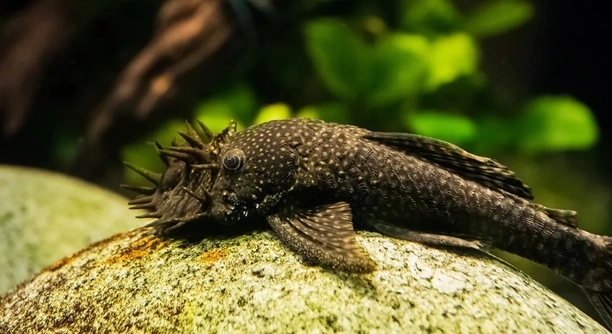
Plecostomus fish are popular in aquariums for their ability to clean algae, but sometimes they engage in surprising behavior like digging. If you’ve noticed your pleco digging around in your tank, you’re not alone. It’s a common concern among aquarium owners.
Plecostomus fish dig primarily for reasons related to natural behavior, including searching for food, establishing territory, or finding a suitable environment to rest. In some cases, this digging behavior may also be linked to stress or a need for extra hiding spots.
Understanding why your pleco is digging can help you create a better environment for it. This knowledge can lead to a happier, healthier fish and a more balanced tank ecosystem.
Reasons Plecos Dig in Aquariums
Plecostomus fish are known for digging, but understanding the reason behind this can be tricky. Sometimes, they are simply acting on instincts that mimic behavior in the wild. In their natural environment, plecos tend to dig around riverbeds or caves to find food, such as algae and plant matter. If your pleco has access to enough food, the digging might also be a sign they are exploring their surroundings, making sure they have a comfortable place to hide.
Additionally, plecos are bottom dwellers and may feel the need to create burrows or find a sheltered spot, especially in a tank that lacks hiding places. Lack of proper tank décor, such as caves or rocks, can leave your pleco looking for an alternative. If they feel stressed or unsafe, digging may become more frequent as they try to carve out a peaceful space.
Making sure your pleco has plenty of hiding spots can minimize unnecessary digging. Their digging behavior is generally harmless if it doesn’t result in damage to the tank or its components.
How Tank Setup Affects Pleco Behavior
The environment you provide for your pleco plays a major role in their behavior. An aquarium that lacks hiding spots or offers limited space can lead to excessive digging. Providing caves or driftwood gives plecos the security they crave.
Proper decorations allow plecos to create their own little hideaway, which reduces their need to dig. Overcrowding in the tank can also stress your pleco and increase their digging. Having the right number of fish in a tank helps keep the pleco calm.
A pleco with a secure and spacious home is much less likely to dig aimlessly. Adding plants, rocks, or even a sand substrate can offer them a more natural environment, making them feel at ease. You should always observe how your pleco behaves after adjusting the setup to make sure they are comfortable.
Stress and Digging Behavior
Stress can be a major factor in why plecos dig. If they feel unsafe, their digging may increase. Stress can come from several sources, including tankmates that are too aggressive, insufficient hiding places, or sudden changes in the environment. Plecos are very sensitive to changes in water conditions, such as temperature and pH, and this can also cause them to dig more frequently.
If the pleco has been in the same environment for a long time and the water conditions suddenly change, it may dig to seek comfort or adjust to the new environment. Providing a stable and predictable environment helps keep stress levels low. Ensuring that the tank water is clean and stable goes a long way in promoting a healthier, happier pleco. Monitoring tank parameters regularly can prevent these disruptions from causing unnecessary stress.
Keeping your pleco calm by making sure its needs are met helps minimize digging as a response to stress.
Feeding Habits and Digging
Plecos dig to search for food, especially in tanks that lack sufficient algae or other food sources. If you notice excessive digging, it might be because the pleco is scavenging for something to eat. In nature, they often search through substrates for small particles or food.
To reduce this behavior, make sure your pleco has enough food. Supplement their diet with sinking pellets, vegetables like zucchini, or algae wafers. These will ensure they feel satisfied and less inclined to dig for food. A varied diet keeps them healthy and may minimize the urge to dig.
Overfeeding can also contribute to a pleco’s behavior. If they are constantly searching for food, it might indicate they are not getting the right types or amounts. Monitor how much you feed them daily and adjust to avoid excess food sinking to the substrate, which might encourage digging behavior.
Substrate Choices and Digging
The substrate in your tank plays a role in your pleco’s digging habits. A soft, fine substrate like sand encourages natural digging behavior. Plecos may dig to sift through the sand for food or simply to create a comfortable resting place.
However, using gravel or large rocks can deter digging because the pleco won’t be able to move it easily. Choose a substrate that suits the needs of your pleco while also considering the health of other tank inhabitants. Sand or fine gravel works well for plecos, giving them the opportunity to act out their natural behaviors without causing harm to the tank.
Adding substrate that mimics their natural environment not only benefits their behavior but also promotes overall tank health. The right substrate can improve your pleco’s quality of life by providing them with a better and more comfortable habitat.
Tankmates and Pleco Behavior
Tankmates can influence your pleco’s behavior, including digging. If your pleco feels threatened or crowded by more aggressive fish, they may dig as a way to escape or assert dominance. Providing peaceful, non-competitive tankmates helps reduce stress.
Observing interactions between your pleco and other fish is essential. If certain species are harassing your pleco or crowding its space, consider moving them to another tank. This will create a more comfortable and peaceful environment for your pleco, minimizing their need to dig.
Water Conditions and Digging
Water quality is a major factor that can cause digging in plecos. A sudden change in temperature, pH, or ammonia levels can stress them out, prompting digging behavior. Maintaining consistent water parameters helps reduce this.
Plecos are sensitive to water conditions, so regular water changes and proper filtration are essential. If you notice your pleco digging more frequently, test the water to ensure it is within the ideal range for your fish. Stable and clean water encourages healthier behavior.
Space and Digging
If your pleco’s tank feels too small, it might result in digging. Inadequate space leads to stress, making your pleco feel confined. Plecos thrive in larger tanks with ample room to explore and settle.
FAQ
Why is my pleco digging all of a sudden?
Plecos may start digging suddenly due to stress or changes in their environment. If you’ve recently added new tankmates or altered the water conditions, the pleco might be reacting by digging. It’s also possible that they are searching for food or trying to find a more comfortable hiding spot. Ensure their environment is stable and that they have enough space and hiding spots to feel secure.
Can I stop my pleco from digging?
Completely stopping a pleco from digging isn’t possible, as it’s a natural behavior. However, you can reduce excessive digging by addressing the underlying causes. Provide hiding spots, proper tankmates, and a stable environment. If they’re digging due to hunger, make sure their diet is varied and sufficient. With the right conditions, digging should decrease.
How much space does a pleco need to stop digging?
Plecos need ample space to feel comfortable, especially the larger species. A minimum of 55 gallons is recommended for common plecos, but larger tanks are preferable. When plecos feel cramped, they might dig to seek comfort or privacy. Giving them more room to swim and explore can help reduce their need to dig.
Are plecos always digging at night?
Yes, plecos are nocturnal creatures, so they are more active at night. This includes their digging behavior. They may use the nighttime hours to forage for food or find a suitable hiding spot. If you notice digging during the day, it could be a sign of stress or that they’re still looking for food.
Can I prevent my pleco from digging by changing the substrate?
Yes, the type of substrate can influence digging behavior. If your pleco is digging in search of food or comfort, using a softer substrate like sand might encourage natural behavior without causing distress. On the other hand, larger gravel or rocks may discourage digging, though it could limit their ability to create burrows.
How can I tell if my pleco is stressed because of digging?
If your pleco’s digging is accompanied by other signs of stress, like erratic swimming, hiding more than usual, or losing appetite, it could indicate discomfort. Stress can result from factors like poor water quality, aggressive tankmates, or insufficient hiding spots. Assess the overall environment and make necessary changes.
Is it normal for plecos to dig in tanks with live plants?
It is normal for plecos to dig in tanks with live plants, but it can cause some issues. They might uproot plants while searching for food or digging to create a resting area. To avoid this, choose hardy plants that can withstand the pleco’s behavior, or use rocks or driftwood to give them alternative hiding spots.
What is the best way to feed my pleco to prevent digging?
Feeding your pleco properly can reduce digging. Make sure you offer sinking pellets, algae wafers, or fresh vegetables like zucchini and cucumber. This will prevent them from searching the substrate for food. Feed them once or twice a day, making sure they can finish the food in a reasonable amount of time. Overfeeding can lead to uneaten food, which might make them dig more.
How do I know if my pleco is digging to create a nest or hideout?
If your pleco is digging to create a nest or hideout, they may dig in a specific area, often near plants, rocks, or decorations. Look for consistent digging behavior in one spot. They may also try to cover themselves with substrate or debris, which is their way of creating a protective environment.
Is digging harmful to my pleco or the tank?
Digging in itself is usually not harmful to your pleco, as long as the substrate is safe and there’s no risk of damaging the tank. However, excessive digging or digging in the wrong places can cause issues. For example, if a pleco is digging under decorations or rocks, there’s a risk of instability that could result in tank damage or injury to the fish. Always monitor the pleco’s digging behavior to ensure it doesn’t cause harm.
Do plecos dig when they’re breeding?
Plecos do dig when breeding. During breeding, they may dig to create a suitable area to lay their eggs or to build a nest. This behavior is more common in certain species of plecos, like the bristlenose pleco, which will dig to prepare a cave or secure area for egg laying. If you observe digging and other mating behaviors, such as chasing or displaying, your pleco may be preparing for breeding.
Can a pleco’s digging behavior be a sign of illness?
While digging is usually a natural behavior, it can occasionally be a sign of illness. If your pleco is digging more than usual and shows other symptoms such as lethargy, loss of appetite, or abnormal swimming patterns, it might be unwell. Illnesses like parasites or infections can cause discomfort, leading to changes in behavior. Regular observation and prompt treatment are important.
Should I remove objects if my pleco is digging around them?
If your pleco is digging around certain objects, it could be an attempt to hide or find food. Removing decorations or objects that cause stress or prevent digging might help. However, make sure to replace them with alternative hiding spots like caves or driftwood, so your pleco still has places to feel secure.
Can plecos dig through rocks or large decorations?
Plecos are strong diggers but can’t usually move large rocks or heavy decorations. However, they may dig around these objects, potentially shifting smaller ones. It’s important to secure any loose rocks or decorations to prevent them from falling and causing injury to your pleco or damage to the tank.
What are the signs that my pleco is not happy with its digging behavior?
If your pleco seems unhappy with its digging behavior, you might notice it spending excessive time in one spot or acting more aggressively toward other fish. A pleco that is not comfortable with its environment may also show signs of fatigue or disinterest in food. If these behaviors persist, consider adjusting their tank setup.
Final Thoughts
Plecos are fascinating fish that often display natural behaviors like digging, which is typically a harmless and instinctive activity. Understanding the reasons behind this behavior can help you create a more comfortable environment for your pleco. Whether they’re searching for food, creating a resting space, or responding to stress, digging is a sign of their natural instincts. While it can be surprising or concerning at first, it’s important to observe your pleco’s overall health and environment to ensure they are not experiencing unnecessary stress or discomfort.
If your pleco’s digging behavior seems excessive, take the time to evaluate their tank setup. Ensure they have plenty of hiding spots, such as caves, driftwood, or plants, to feel secure. A tank that feels too small or lacks hiding places can cause stress, which may lead to more digging. Also, keep an eye on water conditions, as poor water quality or sudden changes can affect your pleco’s behavior. Regular water testing and maintenance can go a long way in maintaining a stable and comfortable environment. Don’t forget to check for tankmates that might be causing your pleco stress, as aggressive or overcrowded environments often contribute to behavioral changes.
Feeding your pleco a proper diet can also reduce excessive digging. Make sure they’re getting enough food, such as sinking pellets, algae wafers, and vegetables, to avoid them digging for food. It’s also important to avoid overfeeding, as uneaten food can create a mess and encourage digging. While digging is generally harmless, paying attention to these small adjustments will not only reduce digging but also promote a healthier and happier pleco. By observing your pleco closely and maintaining a stable, enriching environment, you can help your fish live a long and stress-free life in your tank.

Hello,
If you enjoy the content that we create, please consider saying a "Thank You!" by leaving a tip.
Every little bit helps us continue crafting quality advice that supports the health, happiness, and well-being of pets around the world, for pets of all shapes, sizes, and species.
We really appreciate the kindness and support that you show us!