
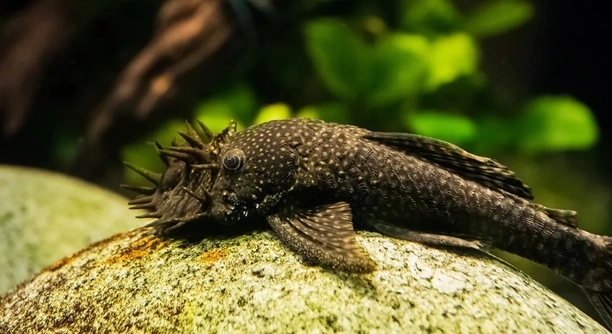
Sometimes, you might notice your plecostomus breathing quickly and wonder if something is wrong. Understanding the causes behind this behavior can help you ensure your fish stays healthy and comfortable in its environment.
Rapid breathing in plecostomus can indicate stress, poor water quality, or inadequate oxygen levels. It’s important to monitor the tank conditions and take action to address any potential issues that might be affecting your fish’s well-being.
Proper water conditions, tank size, and oxygenation are key factors in your plecostomus’ health. Knowing how to manage these will help you keep your fish happy and breathing normally.
Water Quality and Oxygen Levels
Water quality plays a major role in your plecostomus’ breathing patterns. If the water in your tank isn’t clean or properly filtered, your fish may struggle to breathe comfortably. Polluted water, high ammonia levels, or the presence of toxins can lead to faster breathing as your pleco tries to get more oxygen. Make sure to test the water regularly to monitor levels of ammonia, nitrites, and nitrates. Proper filtration can help remove harmful substances, and frequent water changes can maintain optimal conditions.
The best way to ensure good water quality is by maintaining a consistent cleaning routine. Water testing kits are a great tool to keep track of ammonia, nitrites, and nitrates. Consider setting a schedule for regular water changes, especially if you notice any signs of poor water quality.
Low oxygen levels in the tank can also contribute to rapid breathing. Plecostomus fish, like other aquatic species, require a steady supply of oxygen. Poor water circulation or overcrowding can cause oxygen levels to dip, making it harder for your pleco to breathe. Adding a powerful filter or an air pump to increase water movement can help oxygenate the tank. It’s also important to make sure that the water temperature isn’t too high, as warmer water holds less oxygen.
Stress and Tank Environment
Stress can cause your plecostomus to breathe faster. Factors like bright lights, sudden noises, or even aggressive tank mates can contribute to anxiety. It’s essential to provide a calm, peaceful environment for your fish to thrive. Maintaining tank conditions that suit their needs will help keep stress levels low.
Your plecostomus might be reacting to changes in its environment. Whether it’s new tank mates or a shift in water conditions, abrupt changes can be unsettling. Try to avoid making drastic adjustments and give your fish time to adjust. Ensuring the tank has plenty of hiding spaces and plants can also reduce stress and allow your pleco to feel safe.
Overcrowding in the Tank
Overcrowding can stress your plecostomus, causing it to breathe faster. When there are too many fish in the tank, oxygen levels drop and competition for space increases. This leads to anxiety and abnormal breathing patterns. A good rule is to keep no more than one inch of fish per gallon of water to avoid overcrowding.
If your tank is too small for the number of fish you have, it could be the main reason for your pleco’s rapid breathing. Fish need room to move freely and avoid stress. Consider upgrading to a larger tank if you notice overcrowding, or reduce the number of fish to create a more balanced environment. It’s essential to keep the tank well-maintained to accommodate the needs of all your fish, especially if you have larger species like plecostomus.
Temperature Fluctuations
Temperature fluctuations in the tank can affect your plecostomus’ breathing rate. Plecos prefer stable temperatures between 72-82°F (22-28°C). If the water temperature is too high or too low, it can cause them to breathe rapidly as they try to adjust. Monitoring the temperature with a reliable heater and thermometer can prevent this.
Rapid temperature changes, especially from sudden heating or cooling, can be a shock to your plecostomus. This can lead to stress and discomfort, which might make your fish breathe faster. Try to keep the temperature consistent, as even small fluctuations can have a big impact on their health. A good quality aquarium heater will help regulate the temperature to maintain the optimal range for your pleco. Regularly check the water temperature to ensure it’s within the safe zone. If you live in a location with frequent temperature swings, consider investing in a more advanced heater with a thermostat to prevent sudden changes.
Poor Filtration System
A poor filtration system can lead to dirty water, which may cause your plecostomus to breathe faster. If your filter isn’t powerful enough for the tank size, waste and toxins can build up, making it harder for your fish to get enough oxygen. Regularly check your filter’s performance.
If your filter isn’t working properly, harmful substances like ammonia and nitrates will accumulate, affecting the health of your plecostomus. The water will lack the necessary oxygen levels, causing your fish to try and compensate by breathing faster. Upgrade to a more suitable filter or clean your current one regularly to maintain healthy water conditions.
Illness or Injury
If your plecostomus is sick or injured, it may breathe rapidly. Diseases like gill infections or parasites can affect their ability to take in oxygen, causing them to breathe faster. It’s important to observe for other signs of illness, like abnormal swimming or discoloration.
Infections and injuries can be serious, so it’s crucial to act quickly. Treating your plecostomus with appropriate medication or consulting with a veterinarian will help ensure your fish recovers. If the water quality is not to blame, illness is often the next factor to consider. Always keep an eye on your fish’s behavior for signs of health issues.
Tank Lighting
Bright or harsh lighting can stress your plecostomus, leading to rapid breathing. Plecos are nocturnal, preferring low-light conditions where they can feel safe and relaxed. If your tank lights are too bright or on for too long, it could be causing your fish distress.
Consider using dimmer lights or providing shaded areas in the tank to help your plecostomus feel more at ease. This will help reduce stress, which can cause faster breathing. A natural day-night cycle will allow your pleco to rest and feed without the constant disturbance of bright lights.
FAQ
Why is my plecostomus breathing so fast?
A plecostomus might breathe fast for several reasons, such as poor water quality, low oxygen levels, stress, or illness. If the water in your tank isn’t clean or has high ammonia or nitrate levels, your pleco may struggle to breathe normally. Overcrowding, temperature fluctuations, or low oxygen can also cause rapid breathing. Check your water conditions and make sure the tank is properly filtered. If all else seems fine, your pleco may be sick or injured, which requires prompt attention.
How can I reduce stress for my plecostomus?
To reduce stress, make sure your plecostomus has enough space in the tank and that it feels secure. Avoid sudden changes in the tank environment, like shifting decorations or introducing new fish. Ensure that the tank isn’t too noisy or brightly lit, as plecos are nocturnal and prefer dim lighting. Providing plenty of hiding spots will help your pleco feel safe. Keeping the water conditions stable and checking the temperature and filtration will also reduce stress factors that contribute to rapid breathing.
What are signs that my plecostomus is sick?
Common signs of illness in plecostomus include rapid or labored breathing, unusual swimming patterns (such as staying at the surface), loss of appetite, discoloration, or visible injuries. If you notice these signs, it’s essential to check the water quality, as poor conditions can cause similar symptoms. If the environment seems fine, consider seeking medical advice or treating the fish for parasites or infections.
How often should I clean my plecostomus’ tank?
A clean tank is crucial for your plecostomus’ health. You should do partial water changes weekly (around 25-30%) to keep the water fresh and maintain a healthy balance of chemicals like ammonia and nitrates. Clean the filter regularly to ensure it’s working effectively. You don’t need to clean the entire tank too often, as it can disrupt the fish’s environment. Use a gravel vacuum to remove debris and leftover food during water changes.
Can a plecostomus survive without a filter?
While plecostomus can survive for a short time without a filter, it’s not ideal. The filter helps to keep the water clean by removing waste, excess food, and harmful toxins. Without a filter, the water quality will degrade quickly, leading to poor oxygen levels and potentially harmful conditions for your pleco. If you don’t have a filter, you’ll need to perform frequent water changes to keep the tank safe.
How do I increase oxygen levels in my tank?
To increase oxygen levels, you can add an air pump or a stronger filter that creates more surface agitation. Oxygen exchange happens at the water’s surface, so increasing water movement helps with aeration. Make sure the tank isn’t overcrowded, as this can decrease the oxygen available to your fish. If you have live plants in the tank, they can also help by releasing oxygen into the water during photosynthesis.
Is it normal for plecostomus to stay at the bottom of the tank?
Yes, it’s normal for plecostomus to stay at the bottom of the tank. Plecos are bottom dwellers and spend most of their time grazing on algae and other debris. However, if your pleco is always on the bottom, not moving much, or showing other signs of distress, it could indicate a health issue, poor water quality, or stress. Make sure the environment is clean and suitable for your pleco, with enough food and hiding places.
What should I do if my plecostomus is gasping for air?
If your plecostomus is gasping for air, it may be a sign of low oxygen levels or poor water quality. Check your water’s parameters, especially ammonia, nitrites, and nitrates, and perform a water change if necessary. You can also increase aeration in the tank by adding an air pump or adjusting the filter to improve water movement. If the issue persists, check for other causes like illness or stress, and seek help if needed.
How can I tell if my plecostomus is getting enough food?
Plecostomus are bottom feeders and will usually scavenge for food throughout the tank. You should provide them with sinking pellets or algae wafers, as well as occasional fresh vegetables like zucchini or cucumber. If your pleco is not getting enough food, it may show signs of malnutrition like a skinny body, lethargy, or poor growth. It’s important not to overfeed, as leftover food can pollute the water, leading to water quality issues. Check if the pleco is actively eating and not leaving food behind.
Why does my plecostomus keep swimming to the surface?
Plecostomus generally prefer staying at the bottom of the tank, but if your fish is swimming to the surface frequently, it could be trying to get more oxygen. Low oxygen levels, poor water quality, or stress can cause your pleco to seek out areas of higher oxygen concentration, which is typically near the surface. It could also be a sign of illness or discomfort. Make sure the water is clean and oxygenated, and observe for other symptoms of stress or illness.
Can my plecostomus live with other fish?
Yes, plecostomus can live with other fish, but it’s important to choose tank mates carefully. Plecos are generally peaceful but can become territorial, especially with other bottom-dwelling species. Avoid keeping them with aggressive fish that may stress them. Ensure that your tank has plenty of hiding spots and sufficient space for everyone. Avoid overcrowding, and make sure all fish can comfortably live in the same temperature and water conditions.
What’s the best tank size for a plecostomus?
Plecostomus can grow quite large, so a tank size of at least 75 gallons is recommended for an adult. Larger tanks give your pleco enough space to roam and help maintain water quality. Smaller tanks can lead to overcrowding and poor water conditions, which may stress the pleco and cause rapid breathing. Ensure that your tank is large enough to accommodate the full size of your plecostomus. Additionally, consider the needs of any other fish in the tank.
Final Thoughts
Understanding why your plecostomus is breathing fast is crucial to keeping it healthy and comfortable. While rapid breathing can sometimes be a sign of stress or poor water quality, it’s important to check for other possible causes such as low oxygen levels, overcrowding, or even illness. Taking care of your plecostomus involves monitoring the tank environment regularly and making sure the water stays clean and well-oxygenated. By keeping an eye on the water temperature, filtration system, and tank setup, you can address issues early and prevent stress-related behavior.
Ensuring your plecostomus has a peaceful environment is just as important as maintaining good water quality. Stress can come from bright lights, loud noises, or overcrowding. Plecos are bottom dwellers and prefer dimmer lighting and hiding spots where they can feel secure. Keeping the tank balanced by providing enough space and proper care will help your pleco live comfortably. Overcrowding or introducing aggressive fish can worsen the situation, so it’s important to consider the well-being of all the creatures in the tank.
If your plecostomus continues to breathe rapidly despite addressing water quality and stress factors, it may be time to check for health problems. Signs of illness like abnormal swimming or discoloration should not be ignored. In such cases, consulting with a veterinarian or treating your fish with appropriate medication may be necessary. Taking a proactive approach by regularly testing your water and observing your fish for any changes in behavior will help you keep your plecostomus happy and healthy in the long run.

Hello,
If you enjoy the content that we create, please consider saying a "Thank You!" by leaving a tip.
Every little bit helps us continue crafting quality advice that supports the health, happiness, and well-being of pets around the world, for pets of all shapes, sizes, and species.
We really appreciate the kindness and support that you show us!