
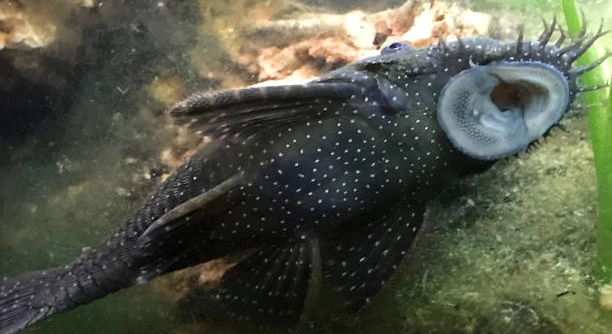
When you have a Plecostomus in your aquarium, it’s important to keep an eye on its health. One concern you might notice is rapid breathing. This change in behavior can be unsettling, but understanding its causes is key.
Fast breathing in a Plecostomus may be caused by poor water quality, stress, or health issues. It could also result from inadequate oxygen levels, especially in a tank with limited water movement or too many fish.
Addressing the underlying cause will help your Plecostomus feel better and breathe normally. Knowing what to check and how to improve their environment is essential for their wellbeing.
Poor Water Quality
Water quality plays a major role in your Plecostomus’ health. When the water in the tank becomes polluted, it can affect your fish in many ways, including causing them to breathe faster. The accumulation of ammonia, nitrites, and nitrates from fish waste or uneaten food can be toxic. These toxins irritate your fish’s gills, leading them to breathe more rapidly in an attempt to get enough oxygen. Regular water changes and using a good filtration system will help keep the water clean and oxygenated, creating a safer environment for your Plecostomus.
If your water tests show high levels of these chemicals, it’s important to act quickly. A sudden change in water quality can stress your Plecostomus and other fish. You should also monitor the water temperature, as extreme changes can add to the problem. Keeping the water at a stable temperature will help maintain your fish’s comfort.
A well-maintained tank should be your first line of defense against breathing problems in your Plecostomus. Routine testing and adjustments will ensure a healthy, thriving aquarium, reducing the chances of respiratory issues.
Stress
Stress is another common reason for fast breathing in Plecostomus. Just like any other fish, they can feel overwhelmed by changes in their environment or from external factors like aggressive tank mates or too much light. When stressed, Plecostomus may gasp for air, trying to calm themselves down.
To minimize stress, ensure that your fish have plenty of hiding spots and that the tank environment is stable. Providing a peaceful atmosphere will help reduce anxiety and encourage normal breathing patterns.
Low Oxygen Levels
When there’s not enough oxygen in the tank, your Plecostomus may start breathing faster to get the air it needs. This is especially common in tanks that are overcrowded or have poor water movement. Adding an air pump or increasing water movement can help solve this issue.
Inadequate oxygen can also be a problem in tanks with a lot of plants or decorations that block water flow. Make sure there’s enough surface agitation so oxygen can easily exchange with the air. You can also adjust your filter’s flow to help improve water circulation and oxygen levels.
A Plecostomus, being a bottom-dweller, can struggle if oxygen levels are low at the tank’s bottom. Placing aerators near the bottom can help make sure all areas of the tank have access to oxygen. Regular maintenance, such as cleaning the filter and removing debris, will also prevent oxygen shortages.
Illness or Infection
Illness can cause your Plecostomus to breathe quickly as it tries to compensate for impaired gill function. A common issue is gill infections, which often result from poor water conditions or injury. Infected gills can’t absorb oxygen as efficiently, making the fish work harder to breathe.
If you notice your Plecostomus has symptoms like clamped fins or a change in color, it may be dealing with an infection. Quarantining sick fish and treating the tank with appropriate medications is important. Always consult with an aquarium specialist to determine the right treatment for any illness or infection your fish might have.
In addition to treating the infection, maintaining proper water conditions will help prevent future illnesses. Regular tank cleaning, proper filtration, and monitoring the health of all tank residents are essential steps to keeping your Plecostomus in good health.
High Water Temperature
High water temperature can lead to faster breathing in your Plecostomus. Warm water holds less oxygen, making it harder for fish to breathe. If the temperature rises too much, your fish may struggle to get enough oxygen. Keep the water temperature stable between 75-80°F (24-27°C) for optimal health.
Using a reliable aquarium heater with a thermostat can help maintain a steady temperature. Regularly check the temperature with a thermometer, especially if you’re experiencing hot weather. If the temperature consistently exceeds the ideal range, consider adding a fan or adjusting the tank’s location to keep it cooler.
If your Plecostomus is breathing rapidly due to high temperatures, it’s essential to cool the water quickly. Adding ice cubes (wrapped in a bag to prevent contamination) or partially changing the water can help lower the temperature and provide immediate relief for your fish.
Tank Overcrowding
Overcrowding in an aquarium can lead to competition for oxygen, causing your Plecostomus to breathe faster. Too many fish in a small tank stress the filtration system, reduce oxygen levels, and increase waste buildup. Make sure your tank has enough space for each fish to thrive.
If you’re noticing rapid breathing in your Plecostomus, consider reducing the number of fish in the tank or upgrading to a larger tank. This will allow more room for oxygen to circulate and prevent overcrowding from affecting the health of your fish. Regular water changes will also help keep the tank clean.
Poor Diet
A poor diet can contribute to respiratory issues in your Plecostomus. If your fish is malnourished or not getting the proper nutrients, it may experience weakened gill function, leading to fast breathing. A balanced diet rich in fiber and algae will support overall health.
FAQ
Why is my Plecostomus breathing fast even though the water looks clean?
Even if the water appears clean, it might still contain toxins like ammonia, nitrites, or nitrates, which aren’t always visible. These chemicals build up due to waste from fish and uneaten food. It can cause stress and rapid breathing in your Plecostomus. Make sure to regularly test your water parameters to ensure everything is balanced. Also, check the filtration system to ensure it’s working effectively. If water quality issues are found, perform a partial water change and clean your filter.
Can I reduce my Plecostomus’s fast breathing by changing the water temperature?
Yes, adjusting the water temperature can help if it’s too high. When water temperature is too warm, it reduces the amount of oxygen available, forcing your fish to breathe faster. Ensure the water temperature stays between 75-80°F (24-27°C). If the temperature rises too much, adding an ice cube wrapped in a bag can temporarily cool the water. Also, ensure your aquarium heater is functioning correctly to maintain a stable, comfortable environment for your Plecostomus.
How do I know if my Plecostomus is stressed?
Apart from rapid breathing, signs of stress in Plecostomus include hiding more than usual, clamped fins, a loss of color, or erratic swimming patterns. If your Plecostomus is showing these signs, check for any changes in the tank’s environment, such as overcrowding, aggressive tank mates, or sudden temperature shifts. Stress can also result from inadequate food or water conditions, so ensure your Plecostomus is receiving a balanced diet and the tank is properly maintained.
Can a dirty filter cause my Plecostomus to breathe faster?
Yes, a dirty filter can definitely lead to faster breathing. Filters are responsible for removing waste and keeping water clean. If the filter is clogged, it can’t perform its job effectively, leading to poor water quality and decreased oxygen levels. This will force your Plecostomus to breathe faster. Regularly clean and replace filter media to ensure it runs smoothly, which will also help reduce any stress on your fish.
How do I fix low oxygen levels in my tank?
To fix low oxygen levels, you can increase water movement with an air pump or a more powerful filter. Aerating the water helps oxygen exchange at the surface. You might also add a sponge filter or an additional air stone for increased oxygenation. Ensure there’s good surface agitation, as oxygen exchange occurs at the surface of the water. Be cautious with over-crowding and try not to overfeed, as excess food and waste can deplete oxygen levels in the tank.
Can I treat my Plecostomus for an infection at home?
Yes, you can treat your Plecostomus for common infections at home, but it’s important to know the symptoms. If you notice signs like clamped fins, abnormal behavior, or unusual coloration, your fish may have an infection. You can use medications specifically designed for gill or skin infections, available at most pet stores. Make sure to quarantine the affected fish to prevent spreading the infection. Consult with an aquatic veterinarian if you’re unsure what illness your fish is dealing with.
Is it normal for my Plecostomus to breathe faster after feeding?
It can be normal for your Plecostomus to breathe a bit faster after eating. Digesting food can increase metabolic demand, requiring more oxygen. However, if the rapid breathing continues for an extended period or becomes more pronounced after every feeding, it may indicate a deeper issue, such as water quality problems or an infection. Monitor the breathing rate and other signs to assess whether the issue persists.
How can I tell if my Plecostomus is getting enough food?
A healthy Plecostomus should be actively scavenging for food and eating regularly. If your fish is breathing rapidly, it could be due to malnutrition or lack of proper food. Plecostomus thrive on algae, but they also need a variety of foods, such as sinking pellets and occasional vegetables like zucchini or cucumber. If your Plecostomus isn’t getting enough food, it may exhibit signs of weakness, poor color, or irregular behavior. Make sure you’re feeding it a balanced diet and that food is accessible to all fish in the tank.
How often should I change the water to prevent fast breathing in my Plecostomus?
Regular water changes are essential for maintaining water quality and reducing stress in your Plecostomus. A good rule of thumb is to change 20-30% of the water every week or two, depending on the size of your tank and the number of fish. More frequent water changes may be necessary in tanks with heavy stocking or high waste levels. Consistently clean water helps prevent toxins from building up, which can lead to rapid breathing and other health problems.
Why is my Plecostomus breathing fast even though there are no obvious problems?
If there are no obvious issues like water quality or overcrowding, the cause of fast breathing could be stress or minor discomfort. Environmental factors like lighting, temperature, or the presence of aggressive tank mates can also lead to stress. Additionally, Plecostomus are nocturnal and may show different behavior patterns at night. If the breathing normalizes during the day, it may not be a major concern. However, continue to monitor your fish and keep the tank conditions stable.
Final Thoughts
Understanding why your Plecostomus is breathing fast is important for maintaining a healthy aquarium. When this happens, it’s usually a sign that something in the tank environment is off. It could be something simple, like low oxygen levels, or it could indicate an issue with water quality, stress, or even illness. The first step is to assess the tank conditions. Check the water parameters, such as ammonia, nitrites, and nitrates, to make sure they are within the safe range for your fish. Testing the temperature and ensuring proper filtration can also help you rule out common causes of rapid breathing.
If the issue is not related to water quality, stress or overcrowding may be the next culprit. Plecostomus can become stressed by aggressive tank mates, sudden changes in water conditions, or a lack of hiding spots. In these cases, providing a more peaceful environment, adding more plants or decorations for hiding places, and ensuring there is enough space for all the fish can help. Reducing the number of tank mates or upgrading to a larger tank may be necessary if overcrowding is the problem. A calm, well-maintained aquarium will go a long way in keeping your Plecostomus comfortable.
Finally, remember that fast breathing could also be a sign of an underlying health issue, like an infection or poor diet. If your Plecostomus doesn’t improve after making adjustments to the tank, it might be worth consulting with an aquarium specialist. Proper feeding, regular water changes, and keeping an eye on any unusual behavior will help maintain your Plecostomus’ health in the long term. By staying proactive and observing your fish’s behavior, you can provide a better environment for your Plecostomus to thrive.

Hello,
If you enjoy the content that we create, please consider saying a "Thank You!" by leaving a tip.
Every little bit helps us continue crafting quality advice that supports the health, happiness, and well-being of pets around the world, for pets of all shapes, sizes, and species.
We really appreciate the kindness and support that you show us!