
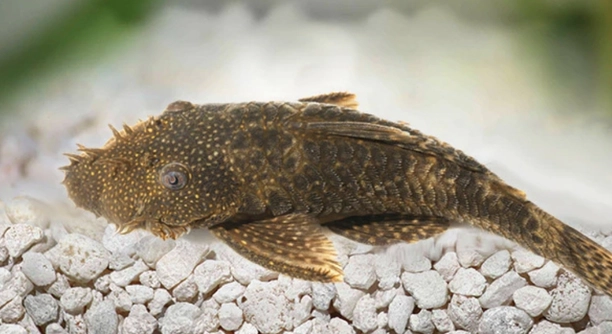
Plecostomus are popular aquarium fish known for their cleaning abilities, but they can sometimes avoid interacting with other fish. If you’ve noticed this behavior in your pleco, it could be due to several underlying reasons.
The most common reason for a plecostomus avoiding others is stress caused by factors such as water conditions, tank mates, or territory disputes. Ensuring the tank is large enough and the environment is stable can help alleviate this behavior.
Understanding why your pleco is avoiding other fish can improve their well-being and enhance your aquarium’s harmony. Proper care can make a difference in your pleco’s social interactions.
Stress and Water Conditions
Plecostomus are sensitive to water quality, which can lead them to avoid other fish if conditions aren’t right. Factors like pH, temperature, and nitrate levels should be monitored carefully. High levels of ammonia or nitrites can make your pleco feel stressed, making it withdraw from other tank mates. If the water isn’t clean or stable, your pleco might seek solitude to stay safe. Regular water changes and the use of a good filtration system will help maintain a healthy environment, reducing the chances of stress.
Proper water quality management is essential for your pleco’s well-being. Frequent checks on the water parameters ensure that stress is minimized, making them feel more secure and less likely to hide from other fish.
Make sure the temperature remains steady and the pH is balanced. Plecos prefer a stable environment and will be more social if they feel comfortable in their surroundings. Avoid sharp fluctuations in the water conditions to prevent unnecessary stress. This care will help your pleco relax and engage with other fish.
Tank Size and Space
An overcrowded tank can lead to territorial disputes among fish. If your pleco feels that there isn’t enough space to claim as its own, it might avoid other fish to stay out of conflict. Providing adequate room for all inhabitants can help prevent these issues.
A larger tank will allow your pleco and other fish to establish their territories without interfering with one another. When plecos don’t feel pressured by the close presence of other fish, they are more likely to be active and social.
It’s crucial to ensure there are hiding spots and natural barriers like plants and decorations to give all fish their own space. Plecos can be shy creatures, and without a place to retreat to, they may choose to stay away from tank mates. Overcrowding reduces comfort and can lead to continuous stress, making social interactions less likely. Therefore, maintaining a spacious tank is vital for the happiness of your pleco.
Aggressive Tank Mates
Some fish species are naturally aggressive and might cause your pleco to avoid them. When housed with more dominant or territorial fish, plecos can become stressed and hide. This behavior is their way of staying out of potential conflict.
Fish like cichlids or larger, more territorial species may intimidate your pleco, forcing it into isolation. If these tank mates are too aggressive, the pleco may choose to retreat into hidden areas of the tank. Reducing aggression can help encourage social interaction.
If you notice frequent hiding or evasive behavior from your pleco, consider rearranging the tank or removing aggressive fish. It’s important to provide a peaceful environment for all fish, ensuring no one feels threatened. A mix of peaceful and non-competitive species will help your pleco feel comfortable and secure, encouraging more social behavior.
Lighting and Tank Environment
Plecos can be sensitive to bright lighting, which may cause them to avoid other fish. If the aquarium lighting is too harsh, it can lead to stress, making them seek dark, quiet areas of the tank.
Dim lighting or having places for the pleco to retreat can help reduce stress and encourage it to interact with other fish. In nature, plecos tend to live in lower light conditions, and providing such an environment in the tank mimics their natural habitat. Proper lighting will also allow your pleco to feel secure and more comfortable in its surroundings.
It’s important to have a balanced lighting schedule. Too much light during the day can make your pleco more reclusive. A gentle light cycle, with periods of darkness, will help your pleco regulate its behavior and avoid the stress caused by excessive brightness.
Overfeeding and Diet
Overfeeding can lead to poor water quality and stress, causing your pleco to avoid others. Excess food left in the tank decays, leading to high ammonia levels that can affect your pleco’s behavior.
It’s important to feed your pleco the right amount, ensuring that excess food isn’t accumulating. Monitor your pleco’s eating habits and adjust the feeding schedule if necessary.
A balanced diet will help maintain your pleco’s health and avoid any unnecessary stress caused by poor tank conditions. Overfeeding can harm your fish in more ways than one, making it essential to keep feeding routines in check.
Illness or Injury
A plecostomus that is feeling unwell may avoid other fish. Illness or injury can cause your pleco to hide and withdraw from social interaction.
If you notice your pleco becoming lethargic or avoiding its usual spots, it might be suffering from a health issue. Ensure you’re keeping a close eye on any changes in behavior, as early intervention can make a big difference.
Regularly check for signs of illness, like abnormal swimming patterns or visible wounds. Providing a healthy environment and prompt care can help your pleco recover and resume normal interactions with tank mates.
Compatibility With Tank Mates
Not all fish get along well with plecos, and this can lead to social withdrawal. If you place your pleco with incompatible species, it might avoid others to prevent conflict.
Some species are naturally more aggressive and territorial, while plecos are generally peaceful. If there are no safe spaces in the tank, the pleco may retreat and hide from other fish to avoid stress. Always consider compatibility before adding new tank mates to your aquarium.
FAQ
Why is my plecostomus hiding?
Hiding is a common behavior for plecos, especially if they are feeling stressed or uncomfortable. Plecos may retreat to a hiding spot if water conditions aren’t ideal, if there is too much light, or if they are feeling threatened by other fish in the tank. It’s important to check the water parameters (like pH, ammonia, and temperature), as poor water quality can lead to stress. Also, make sure your pleco has a comfortable hiding place, as they enjoy darker, quiet areas. If you notice hiding combined with other symptoms, like lack of appetite or unusual swimming behavior, it could indicate illness.
How do I know if my plecostomus is stressed?
Stress in plecos can show up in several ways. If your pleco is hiding more than usual, not eating, or swimming erratically, it could be stressed. Other signs include clamped fins, rapid breathing, and staying near the bottom of the tank. Stress can also lead to a pleco avoiding other fish or acting reclusive. It’s important to examine the environment to rule out factors like aggressive tank mates, poor water quality, or sudden changes in the environment. Fixing these issues can help reduce stress and encourage normal behavior.
Can I keep multiple plecos together?
It depends on the species of plecos. Some plecos are more territorial, while others are more social. In general, plecos are solitary fish, and putting too many in one tank could lead to territorial disputes, especially if space is limited. If you have a larger tank and plenty of hiding spots, it might be possible to house multiple plecos, but monitor their behavior closely. Male plecos, in particular, can be more territorial, especially during breeding. Be prepared to separate them if signs of aggression appear.
How often should I feed my plecostomus?
Plecos are primarily bottom feeders and will scavenge algae and leftover food. It’s best to feed them once or twice a day, offering enough food for them to eat in a few hours. Overfeeding can lead to water quality issues and stress, which can cause your pleco to avoid other fish. It’s important to feed your pleco a varied diet, including algae wafers, vegetables like zucchini or cucumber, and occasional protein-rich foods like shrimp. Remove any uneaten food after a few hours to keep the water clean.
Why is my plecostomus not eating?
If your pleco isn’t eating, it may be a sign of stress or poor water quality. Check the water parameters to ensure they are within the ideal range. If the water is too dirty, your pleco may be avoiding food. Illness can also cause a pleco to stop eating, so look for signs like lethargy, unusual swimming, or visible wounds. A sudden change in diet could also cause the pleco to refuse food, so make sure the food you’re offering is something your pleco enjoys and can easily eat.
Can I add a plecostomus to a tank with other fish?
Yes, plecos can generally coexist with other fish, but it depends on the species. Plecos are peaceful, but some tank mates may not be a good match. Avoid aggressive or overly territorial fish that might stress or harm your pleco. It’s a good idea to house plecos with other peaceful species like tetras or guppies. Larger, more aggressive fish may harass your pleco, leading it to avoid other fish. Make sure the tank is large enough to provide space for all the fish to establish their territories and avoid conflict.
How can I reduce the aggression of my plecostomus towards other fish?
Aggression in plecos is rare, but it can happen, especially if they feel threatened or overcrowded. To reduce aggression, make sure your tank is large enough and has plenty of hiding spots. Plecos are more likely to become aggressive if they feel they have nowhere to escape. Provide decorations, plants, or caves where they can retreat if needed. If aggression continues, it may be helpful to rearrange the tank to reduce territorial issues. Keeping the water quality in check is also important, as poor conditions can increase aggression in any fish.
What tank size is best for my plecostomus?
The size of the tank depends on the type of plecostomus you have. Most plecos grow to a large size and require a tank of at least 75 gallons to thrive. Smaller species, like the bristlenose pleco, can live in a 30-gallon tank, but they will still appreciate more space. Larger tanks allow for a more stable environment, reduce territorial disputes, and provide plenty of room for the pleco to graze on algae and swim around. Having enough space ensures your pleco will not feel stressed or overcrowded.
Do plecos need a lot of hiding spots?
Yes, plecos enjoy having hiding spots in their tank. They are nocturnal creatures, which means they prefer darker areas where they can rest during the day. Providing caves, plants, or driftwood gives your pleco the ability to retreat when it feels stressed or threatened. Even though plecos can spend a lot of time foraging or resting in open spaces, access to a safe, secluded spot is important for their well-being. A lack of hiding spots can cause stress and lead to behaviors like avoiding other fish.
Can my plecostomus live with my shrimp or snails?
Yes, plecos can typically coexist with shrimp and snails. Plecos are primarily algae eaters and won’t generally harm shrimp or snails. However, some larger plecos might view small shrimp as food, especially if they are young. To ensure peaceful cohabitation, it’s best to choose smaller pleco species, like the bristlenose pleco, which are less likely to harm snails or shrimp. Always monitor the interactions between the pleco and any other creatures in the tank to ensure that no one is being stressed or harmed.
Final Thoughts
Understanding why your plecostomus might be avoiding other fish is important for creating a healthier and more comfortable environment. The behavior could be linked to a number of factors, including stress, illness, water quality, or the presence of aggressive tank mates. By paying attention to things like water conditions, tank size, and the compatibility of your fish, you can improve the chances of your pleco feeling safe and interacting with other fish. The right environment makes a significant difference in their behavior and overall well-being.
If you find that your pleco is still avoiding other fish after addressing factors like water quality and aggression, consider whether other causes might be at play. Perhaps the tank is too small, the lighting is too harsh, or your pleco needs more hiding spots. Each pleco has its own personality, so some may be naturally more reclusive. Ensuring that your pleco has a secure and peaceful place to call its own will allow it to thrive and reduce the likelihood of stress.
Remember that plecos are sensitive creatures and their behavior can be influenced by many factors. By ensuring a good diet, stable water parameters, and enough space, you will likely see a more content and social pleco over time. Understanding and addressing the root causes behind their reclusive behavior can create a healthier tank for all inhabitants. The key is providing a balanced and stress-free environment where your pleco can feel comfortable and be its best self.

Hello,
If you enjoy the content that we create, please consider saying a "Thank You!" by leaving a tip.
Every little bit helps us continue crafting quality advice that supports the health, happiness, and well-being of pets around the world, for pets of all shapes, sizes, and species.
We really appreciate the kindness and support that you show us!