
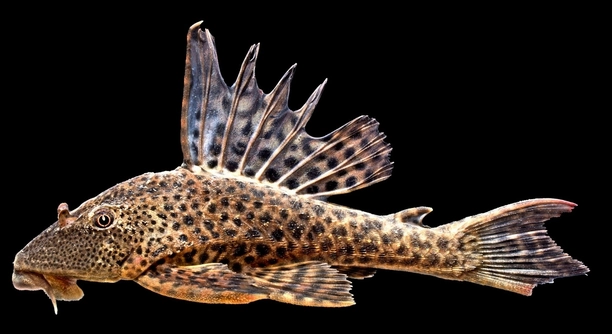
If you notice your plecostomus acting sluggish, it can be a cause for concern. This fish is usually active and spends time cleaning your tank. Understanding the potential reasons for this behavior is essential to maintaining its well-being.
A sluggish plecostomus can be caused by various factors, including poor water quality, incorrect temperature, or improper diet. Stress, illness, or overcrowding can also contribute to reduced activity. Ensuring proper tank conditions can help restore normal behavior.
There are several things you can do to help your plecostomus feel better. Adjusting water quality, checking the temperature, and providing the right diet are all important steps to address its sluggishness.
Water Quality
The water quality in your tank is one of the most important factors for the health of your plecostomus. When water parameters like pH, ammonia, nitrite, and nitrate levels are off, your fish can become stressed and lethargic. High levels of ammonia or nitrite, for example, can harm their gills, making it difficult for them to breathe. Dirty water may also lead to an increase in harmful bacteria and parasites, which can make your plecostomus sluggish. Regular water changes and proper filtration are key to maintaining a clean environment.
To help, make sure you test the water regularly. You should aim to keep ammonia and nitrite levels at zero and keep nitrates below 20 ppm. If you notice a build-up of waste or debris, perform a water change and clean the filter. Keep an eye on the water temperature as well, as extreme fluctuations can also contribute to sluggishness.
Regularly checking and maintaining water quality can prevent further issues, keeping your plecostomus active and healthy. If you’re not sure how to test or adjust water parameters, ask at your local pet store or research online.
Temperature and Stress
Plecostomus are sensitive to temperature changes, and the wrong temperature range can cause lethargy. They prefer a stable range of 74°F to 80°F. If the tank is too cold or too warm, your plecostomus may slow down or become less active. It’s important to invest in a good heater and thermometer to regulate the tank’s temperature.
In addition to temperature, stress from other fish or changes in the environment can also make your plecostomus act sluggish. Keeping the tank peaceful and providing hiding spots can help reduce stress. Fish that are constantly chasing or bullying the plecostomus may cause it to hide and remain inactive.
Diet and Feeding Habits
A plecostomus that is not eating properly may show signs of sluggishness. If the diet lacks the nutrients they need, it can lead to lethargy. Plecos are primarily herbivores, needing algae and vegetables like zucchini, cucumber, and spinach. Lack of proper nutrition can affect their energy levels.
Overfeeding is another common issue. When plecostomus are fed too much, the extra food can pollute the water, making the environment toxic and contributing to sluggishness. Make sure to feed them just the right amount and remove any uneaten food to keep the tank clean.
Offer a variety of foods and ensure that their diet is balanced. Too much protein or overly processed foods may cause digestive issues, while a diet lacking fiber can result in constipation, leading to further inactivity. Keep their feeding routine consistent to maintain their health.
Tank Environment and Overcrowding
Overcrowding in the tank can cause stress for your plecostomus, making them sluggish. With too many fish, there isn’t enough space for them to swim comfortably, and they may become less active. Make sure the tank is spacious and can accommodate the number of fish you have.
Proper filtration is also crucial in a crowded tank. A heavily stocked tank can lead to a rapid buildup of waste, which decreases water quality and leads to a stressed, lethargic plecostomus. A good filter will help keep the water clean and oxygenated, promoting better activity in your fish. Consider rehoming some fish or upgrading to a larger tank if necessary.
Illness or Infection
A common reason for sluggish behavior in plecostomus is illness or infection. If your pleco appears weak, is hiding more than usual, or has unusual spots or lesions on its body, it could be sick. Illnesses like skin parasites or internal infections can make them inactive.
If you suspect your pleco is sick, separate it from other fish to prevent the spread of illness. Consult an aquarium vet for treatment options. Monitoring the symptoms closely will help you address the issue faster, reducing stress for both the pleco and the other fish in the tank.
Lack of Hiding Spaces
Plecostomus are nocturnal and need hiding spots where they can feel safe. If your tank doesn’t provide enough places for them to retreat, they may become stressed or sluggish. Rocks, caves, or driftwood can help create these spaces.
A lack of hiding spots can make your plecostomus feel exposed and uncomfortable. Providing enough places for them to hide during the day will promote their well-being and reduce stress, allowing them to swim and eat normally at night.
Water Chemistry Fluctuations
Fluctuating water chemistry can negatively impact your plecostomus. Rapid changes in pH or hardness can cause stress, leading to reduced activity. Keeping water conditions stable is essential for your pleco’s health. Regular testing can help you monitor these levels.
FAQ
Why is my plecostomus staying at the bottom of the tank?
Plecostomus naturally spend a lot of time at the bottom of the tank, especially during the day, as they are nocturnal creatures. If your pleco is not moving much but is still at the bottom, it could be simply resting. However, if it seems unusually inactive or lethargic, it could be a sign of water quality issues, stress, or illness. Make sure the water temperature and pH levels are stable. If the pleco is not eating or shows any other signs of illness, such as spots or swelling, it might be time to check for parasites or infections.
Is my plecostomus stressed? How can I tell?
Stress in a plecostomus can be hard to detect initially, but there are a few key signs. If your pleco is hiding more than usual, not eating, or seems unusually aggressive, it could be stressed. Stress can be caused by poor water quality, overcrowding, incompatible tank mates, or sudden changes in the tank environment. You may also notice the pleco’s fins clamped tightly against its body or it swimming erratically. Providing hiding spaces, keeping the water parameters stable, and ensuring peaceful tank conditions will help reduce stress.
What is the best way to feed my plecostomus?
Plecostomus are primarily herbivores, so their diet should consist of algae, vegetables, and some types of sinking pellets. Feed your pleco once a day, offering a variety of foods, such as zucchini, cucumber, spinach, and algae wafers. Be sure to remove any uneaten food after a few hours to avoid water contamination. Overfeeding can lead to sluggishness and poor water quality, so it’s important to give just enough food for them to finish within a reasonable time.
Can plecostomus get too cold?
Yes, plecostomus are sensitive to temperature changes. They thrive in water between 74°F and 80°F. If the water is too cold, the pleco may become sluggish and less active. Low temperatures can also make them more vulnerable to diseases. It’s important to keep a heater in your tank to maintain a consistent temperature, especially in colder climates or during seasonal changes. Use a thermometer to regularly check the water temperature and adjust the heater as needed.
What are some common diseases that affect plecostomus?
Plecostomus can be prone to various diseases, including skin parasites, fungal infections, and internal worms. Symptoms of illness can include loss of appetite, lethargy, unusual spots or lesions, and rapid gill movement. External parasites, like ich, can cause white spots on their skin, while internal parasites may cause bloating or difficulty swimming. Keeping the water clean, maintaining stable conditions, and quarantining new fish before adding them to the tank can help prevent disease. If you suspect your pleco is sick, it’s best to consult an aquarium vet for treatment advice.
Can plecostomus live with other fish?
Plecostomus are generally peaceful, but they can be territorial, especially when it comes to food. They tend to do well with non-aggressive tank mates that aren’t competing for the same food sources. However, they might not do as well with smaller fish or species that nip at their fins. It’s best to avoid overcrowding and provide enough hiding spots to help reduce any potential conflicts. If your pleco is being chased or bullied, it could cause stress and lead to sluggish behavior.
How do I maintain the water quality for my plecostomus?
Maintaining good water quality is crucial for the health of your plecostomus. Regular water changes (about 25-30% every 2-4 weeks) help prevent the build-up of toxins like ammonia and nitrites. Use a good filtration system to keep the water clean, and test water parameters (pH, ammonia, nitrite, nitrate levels) regularly. Also, keep the tank clean by vacuuming the substrate and removing uneaten food. Monitoring the water quality ensures a stable environment, which will help your pleco stay active and healthy.
Why isn’t my plecostomus eating?
If your plecostomus isn’t eating, it could be due to poor water quality, illness, or stress. Check your water parameters to ensure they are within the ideal range. If the water is too cold, too acidic, or has high levels of ammonia or nitrites, it can affect their appetite. If the environment is stressful or the fish is sick, it may also lose interest in food. If the problem persists, consider consulting a vet or checking for parasites that may affect their ability to eat.
How often should I clean my plecostomus tank?
Cleaning your plecostomus tank should be done regularly to maintain good water quality. Perform partial water changes (around 25-30%) every 2-4 weeks to keep toxins from building up. You should also clean the substrate, remove any uneaten food, and clean the filter regularly to ensure proper filtration. While plecostomus do help with algae control, they cannot replace the need for regular tank maintenance. Over time, a well-maintained tank will lead to a healthier, more active pleco.
Can plecostomus help with algae growth in the tank?
Yes, plecostomus are excellent at helping to control algae in the tank. They naturally graze on algae, keeping your tank cleaner. However, they can only manage algae on hard surfaces like glass or decorations. They will not be able to eliminate all algae, especially in cases of heavy overgrowth. Regular water changes, proper lighting, and maintaining good water quality are also important factors in controlling algae growth. While your pleco can help, it’s important to still clean the tank manually if algae become a problem.
Final Thoughts
Understanding why your plecostomus is acting sluggish is crucial to ensuring its health and happiness. Plecos are generally low-maintenance fish, but they are sensitive to changes in their environment. Factors like poor water quality, incorrect temperature, stress, and improper diet can lead to lethargy. Regularly checking water parameters such as pH, ammonia, nitrite, and nitrate levels is a simple way to identify potential issues. Keeping the tank clean and stable is key to preventing problems and helping your pleco remain active.
Another important aspect of keeping your plecostomus healthy is providing a balanced diet. Plecos are primarily herbivores and thrive on a diet rich in algae and vegetables. If they are not getting enough fiber, their digestive system can slow down, leading to sluggishness. Overfeeding can also lead to water quality issues, so it’s important to feed only what they can consume in a short amount of time. Offering a variety of food, such as zucchini, cucumber, and algae wafers, can help ensure they get the nutrients they need to stay healthy and active.
Finally, make sure your pleco has a comfortable tank environment. Plecostomus prefer a spacious tank with plenty of hiding spots where they can feel safe and reduce stress. They also need stable water temperatures within the range of 74°F to 80°F to thrive. Stress can be caused by overcrowding, incompatible tank mates, or sudden changes in the tank setup. If your pleco is hiding more than usual or becoming less active, try to identify any potential stressors. By addressing these issues and maintaining a healthy environment, you can help your plecostomus stay lively and thrive for years to come.

Hello,
If you enjoy the content that we create, please consider saying a "Thank You!" by leaving a tip.
Every little bit helps us continue crafting quality advice that supports the health, happiness, and well-being of pets around the world, for pets of all shapes, sizes, and species.
We really appreciate the kindness and support that you show us!