
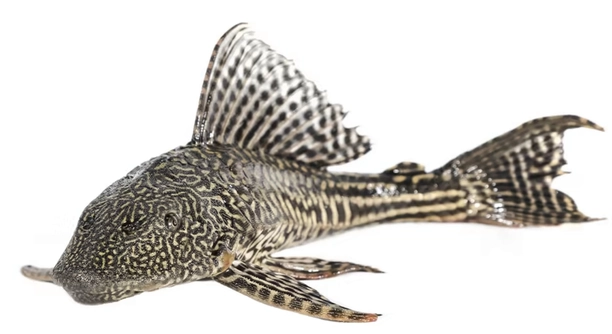
Is your plecostomus acting differently lately, staying hidden more often or darting around the tank at the slightest movement? Understanding this behavior can help you create a calmer and more comfortable space for your fish.
Plecostomus fish often act skittish due to changes in their environment, poor water quality, or lack of hiding spots. Stress, sudden lighting shifts, and tankmate aggression can also cause erratic or fearful behavior in these generally shy bottom-dwellers.
Learning how to adjust their habitat can make a big difference in your pleco’s confidence and daily routine.
Common Reasons Your Plecostomus Feels Skittish
Plecos are naturally shy, especially when first introduced to a tank. They tend to hide during the day and prefer dim lighting or nighttime activity. However, if they are constantly darting around or hiding excessively, something may be off. Loud noises, tank vibrations, or sudden changes in water conditions can cause stress. Adding aggressive tankmates or rearranging decorations may also trigger anxiety. Even things like a new filter or bright lighting can disrupt their sense of safety. A stressed pleco might also avoid food or stay pressed against the glass. Pay attention to these signs, as they can reveal whether your fish is reacting to environmental stressors or if something more serious is going on. Keeping things stable and predictable in their tank will help ease their nerves.
Poor water quality can cause stress and increase hiding behavior. Test regularly to keep ammonia, nitrites, and nitrates in check.
Try adding more driftwood or caves. These provide shelter and give your pleco places to retreat when feeling overwhelmed. A calm environment with soft lighting and steady water conditions will help your fish feel more secure and behave more naturally. Watch how they react over a few days. Small improvements can go a long way.
How Tankmates Affect Their Behavior
Fast-moving or aggressive fish can make plecos uncomfortable, even if they’re not physically harmed. Constant movement and chasing can make your pleco stay hidden or move nervously around the tank.
When housed with fish that are territorial, overly active, or prone to nipping, plecos often become more reclusive. They are generally peaceful and prefer a calm environment. Fish like cichlids, barbs, or even some tetras can stress out a pleco if the tank is too small or lacks hiding spots. It’s best to pair plecos with slow-moving or peaceful species that respect space. Avoid overcrowding and make sure there’s enough room for your pleco to establish a safe zone. You can also use tank dividers or specific decor arrangements to create quiet zones within the aquarium. These changes can help your pleco regain confidence and become more active when the lights go down. Careful tankmate selection is key to preventing long-term stress.
How Lighting and Environment Play a Role
Bright or sudden lighting changes can easily startle a plecostomus. They’re nocturnal and prefer low light or shaded areas. Keeping the tank lights on for too long or switching them on abruptly can make them feel exposed and unsafe.
Use a timer to create a consistent light schedule, ideally mimicking a natural day-night cycle. Stick to 8–10 hours of light daily and provide dim lighting during the evening. Floating plants or decorations that cast shadows can help your pleco feel more secure throughout the day. Avoid placing the tank in high-traffic areas or near loud electronics, which can amplify stress. Even shadows from people walking by too often can cause them to dart. The more consistent and quiet their space, the more comfortable they’ll become over time. If your pleco still acts jumpy, try adjusting light placement and observe changes in behavior after a few days.
Another useful step is to give them darker hiding places. A mix of rocks, driftwood, and thick plants gives them safe spots to relax in daylight. These spaces mimic natural river environments and let them feel sheltered even when the lights are on. Rearranging decorations gently can help reduce stress while still freshening the layout. Keep things soft and steady.
How Diet and Feeding Time Affect Behavior
Feeding too early in the day or when the tank is too bright can discourage your pleco from coming out. Since they’re mostly active at night, it’s best to feed them right before or after lights go out.
Offer sinking foods that stay near the bottom, like algae wafers, zucchini slices, or specially formulated pleco pellets. When food is placed at the wrong time or in the wrong location, your pleco might not eat and appear withdrawn or inactive. Keep feeding consistent, placing food near their favorite hiding spots to encourage natural movement. Skipping feedings or changing the time too often can confuse them and increase stress. Also, avoid overfeeding tankmates that eat faster, as this may leave little behind for your pleco. Monitor who’s getting the food and adjust where you place it accordingly. A calm, dim setting during feeding helps your pleco feel safe enough to eat comfortably.
The Impact of Water Flow and Filter Noise
Strong water currents can cause plecos to cling tightly to surfaces or hide more often. While they do enjoy some flow, high-pressure streams from filters may make them feel overwhelmed or unsafe in certain areas of the tank.
Loud filters or rattling equipment can also lead to skittish behavior. Vibrations and noise travel through the water, and plecos are sensitive to those disruptions. Make sure all equipment runs smoothly and quietly. If needed, baffle the filter output to reduce strong currents and allow for gentler flow across the tank.
Changes in Behavior After Tank Maintenance
It’s common for plecos to act differently after a water change or tank cleaning. Shifting decorations, removing hiding spots, or even vacuuming near their favorite area can leave them unsettled. If you notice increased hiding or darting afterward, give them time to readjust. Always handle maintenance gently, and avoid big layout changes unless necessary. Replacing water with different temperature or pH levels can also affect their behavior. Try matching new water conditions closely to the original. Stable environments help plecos feel more secure, and over time, they’ll adapt better to routine cleanings without as much stress.
When to Worry About Health Issues
If your pleco stays skittish and also stops eating, shows color loss, or breathes rapidly, health problems might be the cause. Watch closely for changes.
FAQ
Why is my plecostomus constantly hiding?
Plecos are naturally shy and nocturnal fish. They prefer dim lighting and dark, secluded spaces to feel safe. If your pleco is hiding a lot, it could simply be looking for peace and quiet. Another reason could be stress from aggressive tankmates or disturbances in the tank. Keep the environment calm and ensure there are enough hiding spots, like caves or driftwood, to help your pleco feel secure.
Is my plecostomus skittish because of the water quality?
Yes, poor water quality can make plecos feel unsafe. High ammonia, nitrites, or nitrates levels can irritate their gills, causing them to hide or act skittish. Regular water changes and monitoring water parameters are essential to ensure your pleco stays comfortable. A clean tank will reduce stress and allow your pleco to feel at ease.
Can I fix my plecostomus’s skittish behavior with better lighting?
Plecos are sensitive to light, especially bright or sudden changes. They are nocturnal creatures and feel more secure with dim lighting. Using a timer to regulate the light cycle can reduce their anxiety. If the tank is too bright or the lights are turned on abruptly, it can cause your pleco to hide or behave nervously. Try to maintain a consistent, softer lighting schedule to keep them comfortable.
Do plecos feel safe with other fish in the tank?
Tankmates play a big role in how comfortable your pleco feels. Peaceful species are ideal companions, as aggressive or fast-moving fish can make plecos skittish. If your pleco is being harassed or constantly chased, it may hide more often or seem more nervous. Carefully choose tankmates that won’t stress your pleco, and make sure your aquarium is large enough for everyone to have their space.
How do water temperature changes affect my plecostomus?
Sudden temperature fluctuations can stress out your plecostomus. They thrive in stable conditions, and abrupt changes can make them feel vulnerable. Keep the water temperature consistent, ideally between 74–80°F (23–27°C). If you need to make changes, do so gradually to avoid shocking your fish.
Can my plecostomus be stressed by strong water currents?
Yes, too strong of a current can stress your pleco. While they enjoy some water movement, a very powerful filter or rapid water flow might make them feel out of control or unable to find calm areas. Adjust the filter to reduce the current or add plants and decorations to give your pleco spots to rest away from strong water flow.
What should I do if my plecostomus won’t eat?
If your pleco refuses to eat, first check water quality and temperature, as poor conditions can affect their appetite. Also, ensure you’re providing a varied diet, such as algae wafers, zucchini, or blanched vegetables. If the issue persists for more than a few days, it may be a sign of stress or a health problem. Monitor their behavior closely and consult an aquarium specialist if needed.
Why is my plecostomus acting aggressive towards other tankmates?
Though plecos are usually peaceful, some species can become territorial, especially during breeding or if they feel crowded. If your pleco becomes aggressive, it could be a sign that it needs more space or hiding spots. You can also try rearranging the tank to break up territorial boundaries. Make sure your pleco isn’t being provoked by more aggressive tankmates.
How can I reduce stress in my plecostomus?
To reduce stress in your plecostomus, maintain stable water conditions, keep the tank clean, and avoid sudden environmental changes. Providing plenty of hiding spots with driftwood, caves, or plants can give your pleco a safe space to retreat when it feels anxious. Additionally, avoid overcrowding and make sure the other fish in the tank are peaceful. A calm, predictable environment is key to a happy pleco.
What can I do if my plecostomus is showing signs of illness?
If your pleco seems lethargic, has faded colors, or shows signs of rapid breathing, it may be sick. First, check the water quality and temperature. If everything seems normal, examine the pleco for physical symptoms like lesions or bloating. If symptoms persist, you may need to quarantine the fish and treat for common issues like parasites, fungal infections, or bacterial problems. If you’re unsure, consulting a veterinarian or an aquarium specialist can help identify the issue and provide treatment.
Final Thoughts
If your plecostomus is acting skittish, it’s important to remember that this behavior is often a result of stress or discomfort in its environment. Plecos are naturally shy creatures and tend to hide or appear nervous when something feels off in their tank. Factors such as lighting, water quality, and the presence of other fish can all contribute to this behavior. By making small adjustments to their environment, such as adding more hiding spots, adjusting the light cycle, or reducing filter currents, you can help your pleco feel more secure and reduce its skittishness. Understanding the root cause of this behavior is key to improving your pleco’s overall well-being.
Along with environmental factors, consider your pleco’s feeding schedule and food variety. Plecos are more likely to be comfortable when they have a consistent food source at the right times. Avoid feeding them when the tank is too bright or noisy. Providing sinking food like algae wafers or blanched vegetables ensures they have access to food in a way that feels safe to them. Over time, a predictable feeding routine combined with a calm environment can help your pleco become less nervous and more comfortable in its surroundings. Monitor their behavior after each change to see what works best for them.
Finally, remember that patience is important when adjusting your plecostomus’s environment. Changes don’t happen overnight, and it may take some time for your pleco to feel fully comfortable. If you notice the skittish behavior persists despite your efforts, it might be helpful to consult an expert or check for underlying health issues. But in most cases, providing a stable, low-stress environment and observing their preferences will make a noticeable difference. Whether through adjusting the tank setup or fine-tuning their care routine, taking small steps will help your plecostomus feel more at ease over time.

Hello,
If you enjoy the content that we create, please consider saying a "Thank You!" by leaving a tip.
Every little bit helps us continue crafting quality advice that supports the health, happiness, and well-being of pets around the world, for pets of all shapes, sizes, and species.
We really appreciate the kindness and support that you show us!