
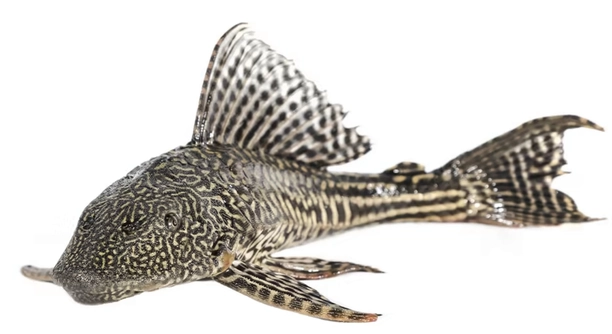
Some plecos exhibit unusual swimming behavior, such as flipping upside down. If you’ve noticed your pleco doing this, you may be wondering what it means and if there’s a problem with your fish’s health or environment.
Plecos swimming upside down can be a sign of stress, illness, or improper water conditions. It may also be related to buoyancy issues or a digestive problem. In some cases, this behavior could be due to injury or natural exploration.
Learning how to address this issue is key to ensuring your pleco stays healthy and happy. By understanding the causes of this behavior, you can create a better environment for your fish.
Why Does My Pleco Swim Upside Down?
There are several reasons why your pleco might swim upside down. Most commonly, it’s related to health issues or stress. If the water quality in your tank isn’t ideal, it can cause your pleco to behave strangely. Improper pH levels, high ammonia, or inadequate oxygen can make your pleco uncomfortable, leading to unusual movements. Another factor might be buoyancy problems. Plecos are bottom-dwellers, and if they have difficulty controlling their buoyancy, they may end up flipping over. In some cases, an injury could be affecting their ability to swim properly.
When it comes to stress, environmental factors are often the main cause. If your pleco feels threatened or doesn’t have enough hiding spaces, it might swim erratically or flip upside down. Keeping the tank peaceful with proper tank mates can help reduce this kind of behavior.
To ensure your pleco’s health, test the water frequently. A simple water change can often resolve minor issues that may be affecting your fish.
Identifying Stress or Illness
Stress and illness are significant factors contributing to your pleco’s upside-down behavior. Environmental stressors like sudden temperature changes or overcrowding can make your fish anxious and affect its swimming. Additionally, illness can cause issues with buoyancy, which may lead to upside-down swimming.
Check for any signs of disease, such as discoloration, sores, or unusual behavior. These are clues that something isn’t right with your fish’s health. A sick pleco may lose its ability to maintain balance. When identifying potential illnesses, pay attention to how your fish reacts to its environment and other tank mates. Immediate action is necessary when illness is suspected.
Consider adding a quarantine tank to prevent the spread of disease if necessary.
Water Quality Matters
Water quality is crucial to your pleco’s health. If the water is not clean or has harmful chemicals, it can stress your fish, affecting its behavior. Ammonia, nitrates, and nitrites should all be monitored closely. High levels of these substances can make your pleco uncomfortable and cause it to swim erratically.
Improper pH levels can also impact buoyancy, making it difficult for your pleco to maintain control over its swimming. Regular water changes and proper filtration will ensure that the water stays clean and safe. Testing the water frequently helps you keep track of any fluctuations in water quality, and by addressing these issues early, you can prevent stress and illness.
In addition to regular water changes, ensure that your tank is well-filtered and has the right equipment to keep the water oxygenated. If your pleco’s behavior doesn’t improve, it might be time to check all water parameters again or consult a veterinarian.
Physical Injuries or Buoyancy Problems
Injuries or buoyancy issues are other reasons why your pleco might swim upside down. Plecos are generally strong swimmers, but accidents or fights with other fish could lead to injury. If your pleco has sustained any physical harm, this could affect its ability to swim properly.
Buoyancy issues occur when your pleco has trouble controlling its position in the water. This could happen due to an internal problem, like digestive issues or even parasites. To rule out buoyancy problems, observe how your pleco behaves in the water. If it’s constantly floating or flipping, it might be struggling to stay upright.
Treating buoyancy problems requires diagnosing the cause. It might involve adjusting water temperature, offering appropriate food, or treating any illnesses your pleco may have. If the issue persists, consulting with an aquatic veterinarian can help guide you toward the best treatment for your pleco.
How to Fix Upside Down Swimming
If your pleco is swimming upside down, the first step is checking the water quality. Start by testing the water for ammonia, nitrites, and nitrates. Make sure the pH level is appropriate for plecos. Clean the tank and change the water if needed. Adjusting water conditions may correct any imbalance causing stress.
Next, inspect your pleco for any visible injuries. If it’s fighting with other fish or getting stuck in decorations, these factors could contribute to its abnormal swimming behavior. In some cases, you may need to separate the pleco from other tank mates until it heals. Proper rest and a stress-free environment can help with recovery.
Lastly, if buoyancy issues seem to be the cause, you may need to adjust your pleco’s diet. Overfeeding or feeding the wrong types of food can lead to digestive problems, which may affect swimming. Offering a more balanced diet could help restore normal swimming patterns.
When to Seek Professional Help
If the behavior continues after addressing water quality and diet, it may be time to consult a professional. An aquatic veterinarian can help diagnose more serious issues, such as internal parasites or infections. They can also offer advice on treatment methods.
A professional might perform additional tests to rule out illnesses that could cause buoyancy problems or stress. Depending on the diagnosis, treatment may involve medication, changes to the pleco’s environment, or specific care guidelines. If the issue is an injury, they can also suggest ways to aid in the healing process.
Ultimately, early intervention will provide the best chance for your pleco’s recovery. If you notice any new or concerning symptoms, seeking professional help is always the safest option.
Ensuring Proper Tank Setup
A proper tank setup plays a significant role in preventing stress for your pleco. Make sure your aquarium has enough hiding spots like caves or plants to give your fish a sense of security. This helps reduce stress and promotes healthy swimming behavior.
Ensure your pleco’s tank is large enough for it to move freely. A cramped environment can cause stress, leading to abnormal swimming patterns. Also, avoid overcrowding the tank with other fish, which may increase aggression or competition for space. A peaceful, spacious environment is key.
Providing a Balanced Diet
A proper diet is vital for your pleco’s health. Make sure it’s getting the right balance of protein and fiber. Overfeeding can lead to digestive issues, contributing to buoyancy problems. Feed your pleco once or twice a day, and remove uneaten food to maintain water quality.
Offer a variety of food options, including algae wafers, sinking pellets, and occasional fresh vegetables. A balanced diet will ensure your pleco gets the necessary nutrients to stay healthy. When feeding, try to avoid foods high in fat, as these can worsen digestive and buoyancy issues.
Keeping the Right Water Temperature
Maintaining the right water temperature is crucial for your pleco’s well-being. Plecos thrive in water that is between 74°F and 80°F (23°C to 27°C). Keeping the water within this range will help prevent stress and improve your pleco’s overall health.
If the water temperature is too high or too low, it can lead to an imbalance in your pleco’s system. Stress and disease are more likely to occur in extreme temperatures, which can cause abnormal swimming behavior. Use an aquarium heater to regulate the temperature consistently.
FAQ
Why is my pleco swimming upside down?
If your pleco is swimming upside down, it could be due to several reasons. The most common causes are stress, illness, buoyancy issues, or poor water conditions. When the water quality isn’t ideal, plecos can become stressed, which affects their swimming behavior. Another cause might be digestive problems, which can lead to buoyancy issues and cause your pleco to float or swim upside down. If there is no obvious cause, an injury or physical problem might be responsible for the abnormal swimming pattern.
How do I know if my pleco is stressed?
Signs of stress in plecos include unusual swimming patterns, hiding more than usual, rubbing against objects, or loss of appetite. If the pleco’s environment is overcrowded or too noisy, it may be feeling anxious. You may also notice changes in its appearance, such as discoloration or visible lesions. A stressed pleco will likely become more reclusive and may not interact with other fish in the tank as it normally would. It’s important to address any stressors in the environment immediately to ensure the pleco’s health.
Can my pleco’s swimming behavior improve on its own?
In some cases, plecos can recover from swimming issues on their own if the cause is minor and the water conditions are improved. However, if the problem persists or worsens, it’s important to intervene. Correcting water quality, reducing stress, and offering a proper diet can help. If the issue is related to a more serious health problem, like buoyancy issues or illness, professional help may be required to treat the underlying cause.
How can I improve the water quality for my pleco?
Improving water quality is key to resolving swimming issues in plecos. Start by testing the water for ammonia, nitrites, nitrates, and pH. Plecos require clean, stable water to thrive, so regular water changes are essential. Use a good filter and make sure it’s appropriate for the size of your tank. A filter that’s too small may not be able to keep the water clean. Make sure the water temperature is consistent and falls within the ideal range of 74°F to 80°F (23°C to 27°C).
Can I fix buoyancy problems in my pleco?
Buoyancy problems in plecos can sometimes be corrected by adjusting their diet. Overfeeding, especially with foods high in fat, can cause digestive problems that affect buoyancy. Offering your pleco high-fiber foods like zucchini or cucumber can help regulate its digestion. If buoyancy issues persist, they could be related to a more serious problem, such as an infection or internal parasite. In that case, consulting a veterinarian is advisable.
What should I feed my pleco?
A healthy diet for your pleco includes algae wafers, sinking pellets, and fresh vegetables like cucumber, zucchini, or spinach. Plecos are herbivores but may also enjoy small amounts of protein, such as brine shrimp. Ensure that the food you provide sinks to the bottom of the tank, where plecos naturally forage. Avoid overfeeding, as it can lead to digestive issues and water quality problems. Remove any uneaten food to prevent it from rotting in the tank.
Could other fish in the tank be affecting my pleco’s behavior?
Yes, tankmates can influence your pleco’s behavior. Aggressive fish can cause stress, making your pleco swim upside down or hide more often. It’s important to select peaceful tankmates for your pleco. Species that are known to get along well with plecos include tetras, rasboras, and other non-aggressive fish. If your pleco is being bullied or harassed, you may need to separate it or rearrange the tank to provide more hiding spots.
Can plecos recover from injuries?
Plecos can recover from injuries, but it depends on the severity of the injury. If the injury is minor, such as a small tear or scrape, your pleco may heal on its own with time. However, if the injury is more serious, such as a deep wound or a damaged fin, it may require more attention. You can help by providing a clean and calm environment, ensuring that the water quality is optimal, and offering a diet that supports healing. If the injury is severe, seeking professional help might be necessary.
Is it safe to keep plecos with other types of fish?
Plecos are generally peaceful, but they do need a proper environment to coexist with other fish. Avoid placing them in tanks with aggressive or territorial species that may cause them stress or fight with them. Plecos do best in tanks with fish that won’t compete for bottom space or food. Keeping a peaceful and diverse group of fish with plecos can lead to a more harmonious tank. Make sure that the tank is large enough to accommodate all the species comfortably.
How often should I change the water in my pleco tank?
Water changes should be done regularly to maintain a healthy environment for your pleco. Typically, it’s best to change 20-30% of the water every week or two, depending on the tank size and the number of fish. If your pleco’s swimming behavior is abnormal, more frequent water changes may be necessary. Always make sure to test the water before and after the changes to ensure that the water quality is optimal.
What are some signs that my pleco is sick?
Sick plecos may exhibit a variety of symptoms, such as abnormal swimming (including upside-down swimming), loss of appetite, changes in color, or lesions on their skin. They might also become lethargic or start breathing heavily at the surface. If you notice any of these signs, it’s important to act quickly. Isolate the pleco if necessary and start by checking water conditions. If the symptoms persist, consulting a veterinarian is a good idea to get a proper diagnosis.
Final Thoughts
If your pleco is swimming upside down, it’s important to remember that this behavior is often a sign that something is wrong, whether it’s an issue with water quality, stress, or even illness. By first addressing the basics—testing and improving water conditions—you can often resolve the problem. Ensuring the right pH, ammonia levels, and water temperature can help create a healthier environment for your pleco. Regular water changes, proper filtration, and careful monitoring are all essential steps in keeping your pleco happy and comfortable.
However, if water quality isn’t the issue, it’s also worth considering whether your pleco is dealing with stress or an injury. Stress can come from many factors, such as overcrowding, aggressive tank mates, or even a lack of hiding spots. Providing more space, adding decorations that offer security, or rearranging the tank to reduce territorial behavior might help. If your pleco has been involved in fights or other accidents, ensuring it has time and space to recover will be crucial. Monitoring its behavior closely for any signs of improvement or worsening can guide your next steps.
In some cases, more serious issues like buoyancy problems or illness might be at play. If the problem persists after adjusting the tank environment, you may need to seek professional help. A veterinarian experienced with aquatic animals can help diagnose and treat underlying health issues that might be affecting your pleco. Ultimately, keeping your pleco in a stress-free, well-maintained tank with a proper diet will go a long way in preventing these types of problems. If the behavior continues, don’t hesitate to consult with an expert to ensure your fish receives the care it needs.

Hello,
If you enjoy the content that we create, please consider saying a "Thank You!" by leaving a tip.
Every little bit helps us continue crafting quality advice that supports the health, happiness, and well-being of pets around the world, for pets of all shapes, sizes, and species.
We really appreciate the kindness and support that you show us!