
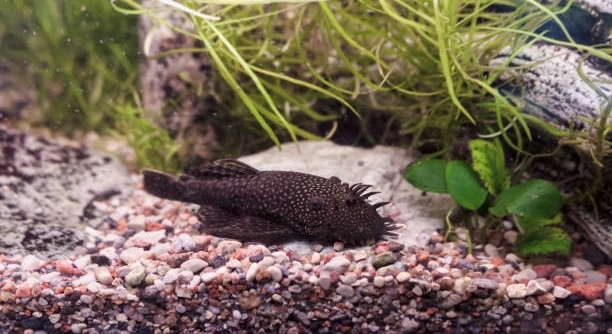
Do you ever find yourself watching your pleco and noticing it always stays in the same exact spot, day after day?
The most common reason your pleco is obsessed with one spot is because it feels safe and secure there. Plecos are territorial fish, and they often choose a preferred area in the tank that offers shade, shelter, or a familiar structure.
Understanding what drives this behavior can help you decide if it needs attention or if it’s simply part of your pleco’s natural habits.
Why Your Pleco Picks One Spot and Stays There
Plecos are known for their quiet and laid-back behavior, often keeping to themselves. When one becomes fixated on a specific spot, it’s usually not something to be concerned about. They naturally like to stay close to structures that offer shade, hiding spots, or surfaces to graze on. Driftwood, rocks, or decorations often become their favorite hangouts. This choice is often based on comfort, safety, or territory. If your pleco feels secure in that spot, it may continue returning to it regularly. Tank lighting, water flow, and even tankmates can also influence their choice. In most cases, this behavior is normal and nothing to worry about unless paired with signs of stress or illness. As long as your pleco is eating well, active during its usual hours, and showing no visible symptoms of distress, its behavior is likely just a part of how it interacts with its space.
Sometimes, the chosen spot is simply where algae or biofilm build up most, which makes it an ideal feeding area.
If you’re still unsure, you can watch for changes in behavior, appearance, or appetite to help rule out any issues.
When to Pay More Attention
Unusual behavior in plecos may indicate that something in the tank environment needs adjusting.
If your pleco suddenly starts hiding more than usual or refuses to leave a single spot even for feeding, it might be stressed or unwell. Poor water quality, aggressive tankmates, or incorrect water parameters can cause discomfort. Make sure your tank is well-maintained, with stable temperature and pH. It’s also helpful to check the ammonia, nitrite, and nitrate levels regularly. Adding more hiding spots or rearranging decorations can sometimes help reduce stress. If your pleco is new to the tank, it might need a bit more time to adjust. However, if you notice rapid breathing, visible injuries, or a lack of appetite, it’s best to consult with a vet or a fish care specialist. Watching your pleco’s routines over time will give you a better idea of what’s normal and what isn’t. Most of the time, the obsession with a spot is just how they settle in.
Common Environmental Triggers
Tank conditions can shape how a pleco behaves each day. If something is off, they often retreat to familiar spots for comfort.
Strong lighting can make plecos uncomfortable, as they are nocturnal and prefer dim or shaded areas. If your tank lighting is too bright, your pleco might stick to one shadowy corner. Similarly, strong water currents from filters or air stones can drive them to calmer areas where they can rest without effort. Poor water quality is another big factor. Ammonia or nitrite spikes make the fish feel unsafe, and they often hide. Make sure to test your water regularly to keep everything balanced. Even things like noise or frequent movement outside the tank can spook them into hiding. If your pleco never moves from one spot, look closely at your environment to see if it feels too harsh or unstable.
Tank decor plays a bigger role than most people realize. Plecos enjoy areas with texture, such as driftwood or rocks, because it gives them something to cling to and graze on. If the tank is too empty, they may find one acceptable place and stick to it. Offering more hiding spaces, like caves or PVC pipes, can give them new options. It’s also helpful to ensure the tank size is appropriate. A cramped tank can stress them out and limit their comfort zones. When they have more space to explore and settle, they’re more likely to roam. A varied layout with shade, soft flow, and feeding surfaces helps plecos behave more naturally and feel at ease.
Social and Behavioral Factors
Some plecos are more territorial than others, especially as they grow. If your tank houses multiple bottom-dwelling fish, your pleco might claim a specific area as its own.
Even in a tank without aggressive tankmates, plecos naturally establish zones. In community tanks, they might be trying to stay out of the way of more active species. If there are other plecos or bottom dwellers, one may dominate and limit the other’s movement. Age and species also affect behavior. Younger plecos tend to be more active, while older ones settle in and guard their space. Feeding schedules can play a part, too. If food often lands in one area, they may start associating it with security and comfort. Try feeding in different spots and watching how your pleco responds. The more you observe them closely, the easier it becomes to recognize their normal patterns and any changes that might need attention.
Feeding Habits and Food Placement
Plecos often return to areas where they find food. If algae wafers or vegetables are placed in the same spot regularly, they may associate that area with feeding and stay close.
Leftover food can also attract them. If biofilm or algae builds up in one area, they’ll likely graze there more often.
Natural Behavior and Daily Rhythms
Plecos are mostly active at night and tend to rest during the day. During daylight hours, they search for shaded, quiet spots to stay hidden and conserve energy. It’s normal for them to appear lazy or still during the day, only becoming more active once the lights are off. This is part of their natural rhythm. Over time, they may choose one resting spot and stick to it, especially if it feels safe and undisturbed. You might notice they become more curious and mobile when things are quieter, especially during nighttime or after feeding.
What You Can Do
Make small changes to lighting, tank layout, and feeding spots to help your pleco feel more balanced and less fixated on one area.
FAQ
Why does my pleco always stay in the same spot?
Plecos are creatures of habit and comfort. If your pleco seems obsessed with one spot, it’s likely because that location offers something it finds appealing. This could be shelter, food, or a comfortable place to rest. It might also be that the area has ideal water flow, lighting, or algae for feeding. Plecos are nocturnal, so they may prefer spots that are darker or less disturbed during the day. As long as your pleco is eating well and seems healthy, this behavior is perfectly normal.
Is my pleco sick if it’s staying in one spot all the time?
Not necessarily. Plecos are naturally solitary and may choose one spot to feel safe. However, if they stop eating or seem lethargic, it could be a sign of stress or illness. Changes in behavior, such as constant hiding or loss of appetite, may indicate water quality issues, illness, or discomfort. It’s important to monitor your pleco’s overall behavior and make sure that the water parameters are within the proper range for your species. Keeping the tank clean and well-maintained is essential for their health.
Can I move my pleco to a different spot in the tank?
You can try moving your pleco, but it may not stay there for long. Plecos often prefer familiar spots and may return to the place they feel most secure. It’s important to avoid stressing your pleco by constantly moving it. Instead, you can adjust the tank’s environment by adding or rearranging decorations, creating more hiding spaces, or adjusting the water flow. This allows your pleco to explore new areas on its own terms.
How can I tell if my pleco is stressed?
Stress in plecos can be difficult to spot at first, but there are signs to watch for. If your pleco stops eating, hides excessively, or displays erratic swimming behavior, it may be stressed. Another sign of stress is clamped fins or discoloration of the body. You should also check water quality; ammonia, nitrites, or low oxygen levels can cause stress. Make sure your pleco is comfortable with the tank temperature, lighting, and water parameters. Sometimes adding more hiding places or adjusting the water flow can help reduce stress.
Why is my pleco staying in the same spot but eating well?
If your pleco is eating well but stays in one spot, there’s no need to worry. This behavior could be normal for a pleco that feels safe and has a preferred feeding area. It might have found a spot where algae or biofilm accumulates, making it a comfortable and familiar location for eating. If the pleco is still active during feeding time, then it’s likely healthy. Make sure that your pleco has enough variety in its diet, including fresh vegetables, algae wafers, and other food sources.
Can my pleco get bored if it stays in the same spot all the time?
Plecos are relatively low-energy fish, so they don’t get bored in the same way other animals might. However, they do need stimulation and variety to stay healthy. If your pleco only stays in one spot, it could be because it lacks enrichment in the tank. Adding new hiding spots, driftwood, or rocks can encourage it to explore more. Regular changes to the tank setup can also provide the challenge of new areas to discover. Just be sure that any changes you make don’t disturb your pleco too much.
Should I worry if my pleco never leaves the bottom of the tank?
Not necessarily. Plecos are bottom-dwelling fish by nature and prefer to stay near the substrate. It’s normal for them to stay at the bottom, especially during the daytime. They often search for food along the substrate or hide in caves or under decorations. As long as the pleco is eating, active at night, and doesn’t show signs of distress, there’s no need to worry. It’s part of their natural behavior to remain on the bottom of the tank most of the time.
Is it okay to add more plecos to my tank if one stays in the same spot?
Adding more plecos can lead to territorial disputes, especially if they are the same species. Plecos are generally solitary and may not appreciate the presence of other plecos in the tank. If you want to add more, ensure that your tank is large enough to accommodate them. Provide plenty of hiding spots and territories to avoid competition. Monitor the plecos closely for signs of aggression. If they continue to stay in the same spots, it could be that they are avoiding confrontation with one another. Keep in mind that adding more plecos won’t necessarily fix the behavior of one pleco sticking to a particular spot.
What is the best way to maintain water quality for my pleco?
Maintaining good water quality is crucial for the health of your pleco. Regular water changes, at least 25% every 1-2 weeks, will help keep the water clean. Use a reliable filter that matches your tank size, and make sure to clean it regularly. Test the water for ammonia, nitrites, and nitrates, and adjust as necessary to keep them at safe levels. Maintaining the right pH, temperature, and oxygen levels is equally important. A pleco’s health is directly linked to water conditions, so regular monitoring is essential.
Why does my pleco sometimes swim to the top of the tank?
Plecos are usually bottom dwellers, but it’s normal for them to swim to the surface occasionally. This could be for a variety of reasons. They might be looking for food or need to take a breath if the water has low oxygen. Some plecos also enjoy surface algae and will rise to graze. If your pleco is at the surface more often than usual, check the water quality, especially oxygen levels. If you have a lot of algae in the tank, it could also encourage them to come up more frequently.
Can a pleco’s spot obsession be caused by other fish?
Yes, other fish can impact where your pleco chooses to stay. Aggressive tankmates may push your pleco to a corner or specific spot to avoid confrontation. Fish that are overly active can also disturb plecos and cause them to retreat into more secluded areas. If your pleco seems to be staying in one spot because of other fish, you may want to consider rearranging the tank or adding more hiding places. It’s important to provide your pleco with an environment where it feels safe and undisturbed.
Final Thoughts
In most cases, when a pleco spends a lot of time in one spot, it’s simply a part of its natural behavior. Plecos are creatures of habit, and they often pick a spot in the tank that provides comfort, security, or access to food. It’s not uncommon for them to gravitate toward areas with algae, biofilm, or hidden corners where they can rest undisturbed. As long as your pleco is eating well, staying healthy, and showing no signs of stress, there’s no need to worry about its spot obsession. It’s important to observe your fish and check its behavior over time, as small changes can indicate whether the behavior is truly harmless or if something else is at play.
However, if you notice your pleco is hiding too much, not eating, or showing signs of illness, it’s worth investigating further. Stress, poor water quality, or a lack of hiding spaces can cause changes in a pleco’s behavior. A quick check of your water parameters and the overall health of your tank can often reveal underlying problems. Adding more plants, decorations, or hiding spots can help create a more comfortable environment for your pleco. Even simple changes, like adjusting lighting or water flow, can make a big difference. Just be sure to make changes gradually to avoid shocking your fish, as plecos prefer stability.
Ultimately, a pleco’s behavior is a reflection of its environment, and it’s up to you as the aquarium keeper to ensure that everything is in balance. Understanding what triggers a pleco’s preference for one spot can help you create a more enriching and stress-free environment. While it’s not always necessary to make drastic changes, being proactive about water quality, tank setup, and overall fish care will ensure that your pleco thrives. With some observation and small adjustments, you can help your pleco feel at ease while continuing to enjoy the unique charm it brings to your tank.

Hello,
If you enjoy the content that we create, please consider saying a "Thank You!" by leaving a tip.
Every little bit helps us continue crafting quality advice that supports the health, happiness, and well-being of pets around the world, for pets of all shapes, sizes, and species.
We really appreciate the kindness and support that you show us!