
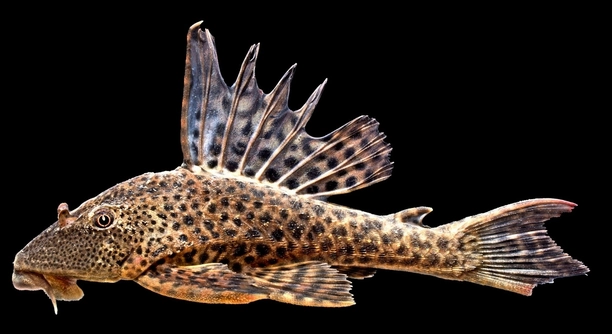
If you notice your pleco shaking in its tank, it’s important to understand the possible causes behind this behavior. Identifying the issue early on can help ensure the health of your fish.
The shaking of a pleco can be due to several factors, including stress, illness, water quality issues, or environmental changes. Identifying the specific cause is crucial to address the problem and maintain the health of the fish.
Understanding these causes will help you take the necessary steps to support your pleco’s well-being and prevent further issues in the future.
Stress or Anxiety
Shaking in a pleco can be a sign of stress or anxiety, which can arise from various factors like a sudden change in tank conditions, new tankmates, or overcrowding. Plecos are sensitive to their environment, and even minor disruptions can cause them to become anxious. Inadequate hiding spots or too much light can also contribute to their stress levels. When plecos are stressed, they may exhibit unusual behaviors such as shaking or hiding more frequently.
Adding more plants or decorations to provide shelter can help reduce their stress. Ensuring the tank has enough space for the pleco to move around comfortably is also important. The pleco should have areas to retreat to when feeling threatened. Consider testing the water parameters to see if any changes need to be made.
Stress from poor tank conditions can often be addressed with adjustments in the environment. Keeping the water clean, ensuring proper filtration, and providing a stable, calm environment can help ease the pleco’s anxiety and reduce shaking.
Water Quality Issues
Water quality plays a significant role in the health of your pleco. Poor water quality, whether from improper pH, ammonia spikes, or high nitrate levels, can cause various symptoms, including shaking. Test the water regularly to ensure it’s within the ideal range for your pleco.
Dirty water can affect the pleco’s behavior, making it more prone to shaking. It can irritate the fish, making them more anxious and even leading to health issues. Regular water changes are essential for keeping the tank environment healthy. Additionally, ensuring the filter is working properly is crucial in maintaining water quality.
A clean tank can help keep your pleco from experiencing unnecessary stress. Testing the water parameters regularly, along with consistent water changes, can prevent shaking due to poor water quality.
Illness or Disease
Shaking can be a symptom of various diseases or infections affecting your pleco. Bacterial or fungal infections, parasites, or internal issues can cause abnormal movements. If your pleco seems lethargic or has visible lesions, these might be signs of illness.
A pleco showing signs of illness, such as shaking, should be examined closely for any visible symptoms, such as clouded eyes, open sores, or unusual growths on its body. If any of these signs appear, it’s important to act quickly to prevent further health complications. Consulting with a vet specializing in aquatic animals is recommended.
Treatment for illnesses like bacterial infections often involves antibiotics or specialized medications, while fungal infections might require antifungal treatments. Parasitic infections can be treated with specific antiparasitic medications. Proper quarantine of affected fish can help prevent the spread of diseases to other tank inhabitants.
Water Temperature Fluctuations
Sudden temperature changes can also cause your pleco to shake. Plecos are sensitive to water temperature, and extreme fluctuations can cause stress and physical discomfort. Keep the water temperature stable and within the ideal range for your species.
Maintaining a consistent temperature in the tank helps your pleco feel secure and comfortable. Use a reliable aquarium heater to ensure the temperature stays steady. Temperature fluctuations may not only cause shaking but can also lead to other health issues, such as weakened immune systems. Regularly check the water temperature using a thermometer to avoid any issues.
A stable environment helps your pleco maintain its health and reduces stress. By keeping the water temperature consistent, you ensure your fish remains calm and healthy. This simple adjustment can make a big difference in preventing shaking and other signs of distress.
Poor Diet or Malnutrition
Shaking can also be a result of poor diet or malnutrition. Plecos need a balanced diet of algae, vegetables, and occasional protein. A lack of proper nutrition can lead to weakened immune systems and abnormal behavior, including shaking.
Feeding your pleco a variety of foods ensures it gets the necessary nutrients to thrive. Lack of fiber or insufficient vitamins can cause health problems that manifest as shaking. Consider adding algae wafers, fresh vegetables, and sinking pellets to its diet for a more balanced approach.
Regularly checking that your pleco is eating and adjusting its diet if needed can prevent these issues. A varied, nutritious diet promotes health and reduces the risk of shaking or other symptoms.
Tankmates and Territorial Issues
Tankmates play a large role in the behavior of your pleco. Aggressive fish or territorial disputes can cause stress, leading to shaking. If your pleco is constantly harassed or feels threatened by tankmates, it may exhibit shaking as a sign of distress.
To reduce stress, ensure that your pleco has enough space and hiding spots in the tank. Some species of plecos are more peaceful, while others may not tolerate aggressive tankmates. Choosing compatible fish can help your pleco feel more secure.
Consider rearranging the tank or providing more hiding spaces to give your pleco a place to retreat when it feels threatened. This can reduce territorial stress and decrease shaking behavior.
Injuries or Physical Trauma
Physical injury is another possible reason for shaking in your pleco. If it has been hurt, whether from a tankmate or bumping into sharp objects, it may shake as a result of pain or discomfort.
Examine your pleco for any signs of injury such as cuts, bruises, or swelling. If you notice any physical trauma, you should treat it with care. Clean the tank and remove any potential hazards that could cause further harm.
Injuries can be painful for plecos, so providing a stress-free environment can aid in recovery. Keeping the tank free of sharp objects and ensuring the fish is not harassed by others can prevent further injury.
FAQ
Why is my pleco shaking but otherwise acting normal?
Shaking without other symptoms can be a sign of mild stress. Your pleco may be reacting to changes in its environment, such as new tankmates, water conditions, or lighting. While it might not indicate a serious health problem, it’s a good idea to monitor the tank for any other signs of distress. If the shaking continues, consider checking the water quality, temperature, and ensuring that the pleco has enough hiding spots to feel safe.
How can I reduce stress in my pleco?
Reducing stress in your pleco starts with providing a calm and stable environment. Make sure the tank is large enough for the pleco to move freely, and include plenty of hiding spots like caves, plants, or rocks. Avoid sudden changes in water temperature or pH, and make sure the water is clean and well-filtered. Keeping the tankmates peaceful is also crucial, as aggressive or overly active fish can cause stress.
What are the signs of illness in plecos?
Plecos affected by illness might exhibit a variety of symptoms such as lethargy, loss of appetite, lesions on the skin, clouded eyes, or erratic swimming patterns. Shaking can sometimes be linked to these signs. If your pleco shows any of these symptoms alongside shaking, it’s important to act quickly. Consult a vet for diagnosis and treatment, especially if the illness seems serious.
How do I know if my pleco’s shaking is from water quality issues?
If the shaking is accompanied by other signs of distress, such as lethargy or gasping for air, poor water quality could be a factor. Ammonia, nitrate, and nitrite levels should be checked regularly using test kits. If water parameters are out of the ideal range, this can cause physical distress, including shaking. If the water quality is poor, perform a partial water change and improve the filtration system.
Is shaking a common problem in plecos?
Shaking is not common behavior for plecos but can occur due to stress, illness, or environmental factors. While plecos are generally hardy, they are sensitive to changes in their environment. Proper care and attention to their needs can prevent most issues. If shaking occurs frequently or is coupled with other symptoms, further investigation into water quality, tank conditions, or potential illnesses is needed.
Can temperature fluctuations cause shaking in plecos?
Yes, sudden or drastic temperature changes can stress plecos and lead to shaking. Plecos are cold-water fish and can be sensitive to changes in their environment. A stable water temperature between 72-80°F (22-27°C) is ideal for most pleco species. Installing an aquarium heater with a thermometer can help regulate the water temperature, preventing fluctuations that could cause stress or discomfort to your pleco.
What should I do if my pleco is shaking and hiding?
If your pleco is shaking and hiding, it could be feeling stressed or unwell. Check the water parameters immediately to ensure everything is within the optimal range. Stress can be reduced by ensuring your pleco has enough hiding spots and by minimizing any aggressive tankmates. If the pleco continues to hide and shake, consult a vet to rule out illness or injury.
Can poor diet cause shaking in plecos?
A poor diet can contribute to shaking and other abnormal behaviors in plecos. They require a varied diet, including algae wafers, vegetables like zucchini and spinach, and occasional protein from shrimp or sinking pellets. A lack of proper nutrition can weaken your pleco’s immune system, making it more susceptible to stress and illnesses that may cause shaking. Ensure your pleco is eating properly, and consider adjusting its diet if necessary.
How can I improve the tank environment for my pleco?
To improve your pleco’s environment, make sure the tank is large enough to accommodate its size and swimming habits. Add decorations like caves, rocks, or driftwood, which plecos enjoy hiding under. Keep the water clean and well-filtered, and test the water regularly for pH, ammonia, and nitrate levels. Consistency in water conditions is key, so avoid sudden changes and provide a stable environment. Additionally, ensure your pleco’s tankmates are compatible and not causing stress.
Should I separate a shaking pleco from other fish?
If your pleco is shaking and appears to be stressed by its tankmates, it may be worth considering moving it to a quarantine tank. This allows the pleco to recover without the added stress of other fish. However, if the shaking is due to water quality or illness, separating it from other fish may not resolve the problem. Always first check water conditions and ensure that the pleco is not suffering from a disease that could be contagious.
How do I tell if my pleco is injured?
If your pleco is shaking and showing signs of injury, such as open wounds, bruises, or swelling, it could be physically hurt. Inspect the pleco for cuts or abrasions that might have been caused by sharp objects or other aggressive tankmates. Injuries can cause pain and stress, leading to abnormal behaviors like shaking. If you notice an injury, make sure to treat it appropriately by cleaning the tank and removing any hazards.
What should I do if my pleco’s shaking continues?
If the shaking persists, it’s essential to investigate further. Start by checking the water quality, temperature, and tank conditions. If the environment is not the issue, consider whether your pleco might be suffering from an illness or injury. If you’re unable to resolve the problem on your own, seek advice from a vet specializing in aquatic animals for proper diagnosis and treatment.
Final Thoughts
Shaking in plecos can be caused by a variety of factors, from environmental stress to physical health issues. While it may not always be a sign of something serious, it’s important to observe your fish carefully. If shaking persists, or if it’s accompanied by other signs like loss of appetite, lethargy, or unusual swimming patterns, further investigation is needed. Checking the water quality, ensuring proper tank conditions, and making sure your pleco is not stressed by tankmates can go a long way in maintaining its well-being.
The best way to address shaking in your pleco is to eliminate potential stressors. Consistent water quality and temperature are essential for a healthy tank environment. Plecos are sensitive to changes, so even slight fluctuations in these factors can cause them distress. Ensuring a proper diet with a variety of foods is also crucial. Providing your pleco with the right balance of algae, vegetables, and protein can prevent nutritional deficiencies, which may lead to physical symptoms like shaking.
In many cases, shaking may be a temporary reaction to an immediate stressor, such as a new tankmate or an unfamiliar environment. However, if the problem persists, you may need to take more action. Consulting an aquatic veterinarian is always a good idea if you’re unsure about your pleco’s health. Regularly maintaining your aquarium, offering a balanced diet, and keeping an eye on the overall health of your fish can help reduce the chances of further issues. Keeping your pleco happy and healthy is the key to preventing shaking and other unusual behaviors in the future.

Hello,
If you enjoy the content that we create, please consider saying a "Thank You!" by leaving a tip.
Every little bit helps us continue crafting quality advice that supports the health, happiness, and well-being of pets around the world, for pets of all shapes, sizes, and species.
We really appreciate the kindness and support that you show us!