
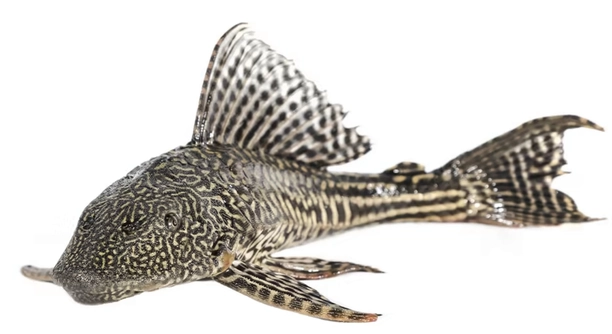
Plecos are often seen rearranging the gravel in their tanks. This behavior can seem puzzling, especially when it’s frequent or excessive. Understanding why your pleco is moving the gravel will help address the issue effectively.
The main reason your pleco is pushing gravel around is its natural behavior to search for food and create a suitable environment. Plecos are bottom-dwelling fish and often disturb the substrate while foraging or making their space more comfortable.
This behavior is quite normal for plecos. However, it’s important to consider how it impacts the tank’s setup and your pleco’s well-being.
Why Do Plecos Push Gravel Around?
Plecos are bottom dwellers, and their instinct to sift through gravel comes from their natural behavior in the wild. They search for food and dig through the substrate to uncover morsels. Gravel rearrangement helps them find small organisms and debris to consume. This action is also part of their habit of modifying their surroundings to create a more comfortable space. While it may seem excessive, it is an entirely normal behavior. However, this constant shifting can disrupt the tank’s aesthetic and cause unnecessary stress for the fish if not managed properly.
It’s essential to provide plecos with a balanced diet to ensure they’re not excessively foraging for food. They need proper nutrition to limit the need to search for food within the tank’s substrate. If your pleco is constantly pushing gravel around, it might be a sign they’re still looking for food, even when the tank is properly fed.
In some cases, a pleco might be adjusting the gravel for its comfort. Plecos are known to be territorial, and shifting gravel around can be part of their attempt to make the area feel more secure. In their natural habitat, they would do this to create a safer space to hide from predators or find a place to rest. If your pleco is consistently moving gravel or rearranging decorations, it could be trying to establish a space to retreat to when they feel threatened. This behavior often increases during the evening when the tank’s light dims.
How to Manage Gravel Shifting
If the shifting becomes problematic, consider adding smoother substrate or larger gravel. This may reduce their desire to dig as they search for food. Also, be sure to keep the tank’s environment comfortable for your pleco by monitoring water quality and adding hiding spots.
Adjusting the tank setup can make a significant difference. Providing a variety of hiding spots, like caves or plants, will encourage your pleco to spend time in more secure areas. Reducing stress factors such as loud noises or sudden movements around the tank can also lessen the need for this behavior.
The Impact of Gravel Shifting on Your Tank Setup
Constant gravel movement can lead to some disruption in your tank’s layout. When plecos rearrange gravel, it can displace plants, ornaments, or filter intake tubes. Over time, this might result in an unbalanced setup, affecting water circulation or the tank’s overall aesthetic. It’s important to monitor and make adjustments when necessary.
To minimize disruptions, try using heavier decorations or anchoring plants securely in the substrate. This will ensure they stay in place even when the pleco moves gravel around. You can also consider adding a layer of larger gravel or rocks, which plecos might find less easy to displace.
If you notice the gravel shifting in ways that impact the tank’s filtration system or aesthetic, try adjusting the substrate. A thicker substrate layer or larger rocks can make it harder for the pleco to move too much. Additionally, keep an eye on filter intakes that could become clogged by the gravel shifts.
Tank Maintenance While Managing Gravel Movement
Regular maintenance becomes even more important when your pleco is shifting gravel. Ensure the tank is cleaned properly, checking for debris or waste that could be buried under the substrate. If gravel shifting is frequent, you may need to perform water changes more often to maintain the tank’s cleanliness.
A good maintenance routine involves vacuuming the substrate regularly to remove waste, especially in areas disturbed by the pleco. This prevents debris build-up, which can lead to water quality issues. Additionally, check the filter’s performance to ensure it is working effectively and not obstructed by displaced gravel.
Can Gravel Shifting Be a Sign of Stress?
If your pleco is frequently moving gravel around, it could be a sign of stress. Environmental factors such as poor water quality or sudden changes in temperature can cause your pleco to feel unsettled. It’s important to assess the tank’s overall conditions.
Stress can also occur if the pleco feels threatened by tank mates or doesn’t have enough hiding spaces. Ensure the tank provides plenty of areas for the pleco to retreat when needed. Adding plants, caves, or other decorations can help your pleco feel more secure and reduce stress-related behavior.
How to Spot If Your Pleco Is Unhappy
Look for signs of stress beyond gravel shifting. If your pleco is swimming erratically, hiding more often than usual, or showing changes in color, it might be a sign of discomfort. These behaviors suggest that your pleco is not thriving in its environment.
Assess the water temperature, pH levels, and filtration system. Changes in any of these factors can contribute to your pleco’s discomfort. Consistently maintaining ideal tank conditions is essential for keeping your pleco healthy and stress-free.
FAQ
Why does my pleco push gravel around?
Plecos often push gravel around as part of their natural foraging behavior. They are bottom-dwelling fish that sift through the substrate in search of food. This behavior helps them uncover small organisms, algae, and debris they may consume. Gravel shifting is also an instinctive action that allows them to create a comfortable space in the tank, mimicking their natural habitat where they would move debris to build secure resting areas.
Can gravel shifting harm my pleco or the tank?
While gravel shifting is a natural behavior, it can cause some issues in the tank if it becomes excessive. It may displace plants, decorations, or even disrupt the filter setup. In some cases, it might block water flow or cause substrate imbalances. However, if managed properly by securing decorations and monitoring the tank regularly, gravel shifting typically doesn’t harm the pleco. It’s crucial to adjust the tank setup if needed to prevent damage to the filtration system or aesthetic balance.
How can I reduce my pleco’s gravel shifting?
To reduce gravel shifting, try using a heavier substrate or larger rocks that are harder for the pleco to move. Additionally, providing enough food and hiding spaces can limit the need for excessive gravel movement as they forage. Ensuring the tank’s environment is secure and stress-free can help minimize this behavior.
Is gravel shifting a sign of a health issue?
Gravel shifting isn’t typically a sign of a health problem unless it is accompanied by other abnormal behaviors. If your pleco is acting aggressively, eating poorly, or showing signs of distress, then gravel shifting could be a symptom of stress or discomfort. Poor water quality, inappropriate tank mates, or a lack of hiding spots can cause stress, prompting increased gravel shifting.
Does the type of gravel affect the behavior?
Yes, the type of gravel can influence how much your pleco shifts it. Smaller gravel or sand is easier for plecos to move around, while larger rocks or heavier substrates are more challenging for them to shift. Consider adjusting the substrate if the shifting is causing disruptions in the tank. Larger gravel or rocks can also provide a more secure foundation for plants and decorations.
Can gravel shifting cause my tank’s filter to clog?
Frequent gravel shifting may cause the substrate to displace and potentially clog the filter intake. If the gravel moves near the filter, small particles can be sucked into the filter, leading to blockages and reduced water flow. To prevent this, make sure the filter is placed at an appropriate distance from the substrate, and check it regularly for any obstructions.
Should I be worried if my pleco is pushing gravel every day?
If your pleco is pushing gravel every day, it’s likely just part of its natural behavior. However, if it seems excessive or is affecting the tank’s setup, it’s worth checking if the pleco is stressed. Ensure that the tank’s environment is stable and that the pleco has enough food and hiding spots. If the behavior becomes disruptive, consider adjusting the tank’s layout.
How can I tell if my pleco is stressed because of gravel shifting?
Stress-related gravel shifting often accompanies other signs of discomfort, such as hiding frequently, erratic swimming, or changes in color. If you notice these behaviors, it may indicate that the pleco is reacting to stress caused by environmental factors. These could include poor water quality, tank mate conflicts, or insufficient hiding places.
Can gravel shifting help with my pleco’s digestion?
While gravel shifting is primarily for foraging and comfort, it could indirectly benefit the pleco by encouraging the fish to stay active. Active fish are generally healthier, and foraging helps mimic natural behaviors. However, gravel shifting alone isn’t a primary method for aiding digestion. Proper feeding practices and tank maintenance are crucial for your pleco’s overall health.
Does gravel shifting mean my pleco is hungry?
Gravel shifting is often linked to foraging for food, so yes, it could indicate that your pleco is looking for additional food. However, if your pleco is well-fed and continues shifting gravel, it could be due to its natural instincts or an attempt to create a more comfortable environment. Be sure to check your pleco’s diet and ensure it’s getting the right amount of food for its size.
How often should I change the substrate if my pleco is shifting gravel?
If your pleco is regularly shifting gravel, there is no immediate need to change the substrate unless it causes issues with water flow or filtration. However, cleaning the substrate regularly and checking for debris accumulation can help maintain a healthy environment. If you feel the need to adjust the substrate to prevent excessive shifting, make sure to choose a substrate type that suits your pleco’s behavior and tank needs.
Does gravel shifting happen more at certain times of day?
Yes, gravel shifting may occur more frequently during the night or when the pleco is less active. Plecos are nocturnal creatures, so they may push gravel around more during evening hours when they are more likely to be foraging. This behavior can also increase when the tank lights are off, providing the pleco with a sense of security to act more naturally.
Can I prevent my pleco from shifting gravel?
It’s difficult to completely prevent gravel shifting since it’s part of their natural behavior. However, you can manage the behavior by ensuring the tank setup provides enough food and hiding spaces to reduce the need for excessive foraging. Additionally, using a heavier substrate or securing decorations can minimize disruptions caused by gravel movement.
Final Thoughts
Gravel shifting is a natural behavior for plecos, and it’s not something to be overly concerned about in most cases. As bottom-dwelling fish, plecos tend to sift through the substrate to find food or create a comfortable space. This behavior mimics their natural foraging habits, and it’s a sign of a healthy, active fish. While it may seem disruptive at times, it’s important to understand that it’s just part of how plecos interact with their environment.
If gravel shifting becomes excessive or starts to disrupt the tank’s setup, it might be worth making a few adjustments. For example, securing plants and decorations or choosing a heavier substrate can help reduce the amount of gravel movement. Additionally, monitoring the water quality, ensuring the tank’s temperature is stable, and offering enough hiding spots can help reduce stress that might be causing the behavior. By providing a secure and comfortable environment, you can limit any negative effects of gravel shifting while allowing your pleco to engage in this natural behavior.
Ultimately, gravel shifting isn’t usually a cause for concern, but it’s something to watch if it starts to impact the tank’s layout or the pleco’s health. Regular maintenance, including cleaning the substrate and checking the filter, is important for keeping the tank in good condition. By paying attention to your pleco’s behavior and adjusting the tank environment as needed, you can create the best conditions for both your pleco and your aquarium setup.

Hello,
If you enjoy the content that we create, please consider saying a "Thank You!" by leaving a tip.
Every little bit helps us continue crafting quality advice that supports the health, happiness, and well-being of pets around the world, for pets of all shapes, sizes, and species.
We really appreciate the kindness and support that you show us!