
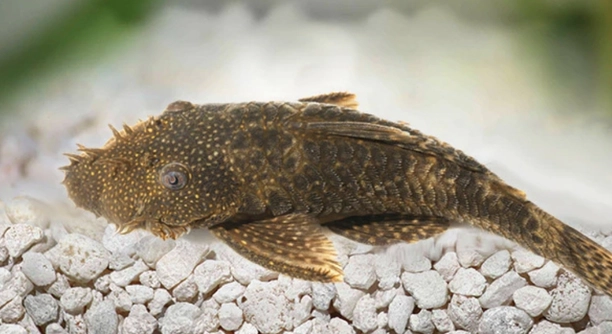
Is your pleco always hiding during the day and only coming out when the lights are off and the house is quiet?
Plecos are naturally nocturnal, meaning they are most active during the night. This behavior is rooted in their instincts, helping them avoid predators and regulate their internal clocks. Light levels and tank conditions can also influence their daily habits.
Understanding why your pleco hides can help you create a more comfortable tank environment and encourage healthier, more natural behavior.
Understanding Nocturnal Behavior in Plecos
Plecos are naturally nocturnal fish, which means they are wired to be active during nighttime. In the wild, they spend their days hiding under rocks, logs, or dense vegetation to avoid predators and conserve energy. This behavior carries over into aquarium life. Even in a safe tank setting, plecos will often seek dark corners or hideouts during the day. Bright lights and heavy foot traffic around the tank can make them even more reclusive. Their eyes are also more sensitive to light, making daytime activity uncomfortable. Providing plenty of hiding spaces, like driftwood or caves, allows your pleco to feel secure. While some plecos may occasionally show themselves during the day, especially in dimly lit tanks, it’s entirely normal if yours only comes out at night. This is simply how they are wired to live.
This behavior can be surprising at first, especially if you’re expecting an active daytime fish.
If you want to encourage more daytime activity, try adjusting the lighting or feeding routine. Plecos often respond to low ambient lighting and consistent feeding schedules. If you feed your pleco at the same time every day, especially early in the evening, it may start coming out more during that period. Also, ensure your tank is well-stocked with hiding spots, as a sense of safety can boost confidence. In some cases, plecos adapt slowly to their environment and may become more comfortable as they age or get used to your presence. That said, don’t expect dramatic changes overnight. Most plecos will still be most active when the lights go out. As long as they’re eating well and showing signs of good health, nighttime activity is not a problem—it’s simply a sign that your pleco is behaving naturally.
What You Can Do to Support Your Pleco
It’s important to create an environment that supports your pleco’s natural instincts and helps it feel safe at all hours.
Start by choosing tank décor that provides comfort and shelter. Driftwood is ideal because many plecos enjoy rasping on it, and it offers excellent coverage. Caves, tunnels, and dense plants help recreate the conditions plecos are used to in the wild. Avoid bright lights, or consider using a dimmer or red-spectrum night light that won’t disturb their routine. Feeding your pleco after the main lights are off can also encourage nighttime foraging without stress. Stick to a steady feeding routine so your pleco knows when to expect food, which may help it emerge earlier. Some keepers also use dither fish—active daytime fish that make shy species feel more secure. Over time, with a calm, stable tank environment, you may start to see your pleco venturing out earlier in the evening or hanging around longer in the morning.
Common Triggers That Affect Activity
Stress, sudden changes in the tank, or aggressive tank mates can make your pleco even more reclusive than usual. Too much movement or loud noise around the aquarium may also encourage them to stay hidden longer during the day.
Tank layout and lighting play a big role in pleco behavior. If the tank is too open or brightly lit, your pleco might feel exposed and vulnerable. This can lead to even more nighttime-only activity. Adding shaded areas and keeping the lighting soft can help reduce stress. Water conditions matter too. Poor water quality or unstable parameters can cause plecos to retreat and stay inactive. Make sure to check ammonia, nitrite, and pH levels regularly. Even if your pleco is naturally nocturnal, consistent stressors will make it more withdrawn than normal. Adjusting these simple factors can help bring out slightly more balanced behavior over time.
If your pleco is healthy but never visible, it may still be adjusting to its environment. Some plecos take weeks—or even longer—to feel fully secure. This is especially common with young or newly introduced fish. Over time, with a stable routine and consistent care, many plecos become more relaxed and may venture out a bit more often. It also helps to keep the tank in a quiet location, away from heavy traffic and loud activity. Noise and sudden movements can make them dart back into hiding. Plecos tend to do better in peaceful, dim surroundings with enough cover. If you have done everything right and your pleco remains shy, it’s not unusual. Each fish has its own comfort level, and some are naturally more private than others.
Choosing the Right Tank Setup
The right tank setup can encourage natural activity while keeping your pleco healthy. A larger tank with stable conditions allows for more consistent behavior and better movement, especially for bigger pleco species.
Use sand or smooth gravel substrate, and avoid sharp decorations that could injure your pleco during night movements. Driftwood is essential—not just for hiding, but also because some plecos feed on the fiber. Create plenty of shaded areas with rocks or artificial caves. Keep lighting soft and indirect. Strong lighting can stress your pleco and limit visible activity. Live plants like java fern or anubias provide extra shade without crowding the space. Aim for minimal disruption around the tank to help your pleco feel safe enough to explore. A calm, thoughtfully arranged environment will go a long way in supporting your pleco’s natural behavior. Regular maintenance and slow changes also prevent unnecessary stress.
Lighting Adjustments That Help
Soft, low lighting helps plecos feel secure enough to move around more freely, even during the day. Using floating plants or adjustable LED lights can reduce brightness without affecting the rest of your aquarium’s visibility or balance.
Avoid sudden light changes, which can startle your pleco and increase hiding behavior. A gradual light schedule using a timer can ease transitions between day and night. This mimics natural patterns and may help your pleco feel more relaxed in the tank over time.
Feeding Time and Activity Link
Feeding your pleco at night supports its natural rhythm. Since plecos are nocturnal, placing food in the tank shortly after lights go off encourages natural scavenging behavior. Use sinking wafers or fresh vegetables like zucchini, which your pleco can graze on throughout the night. If other fish eat too quickly, try placing food near their favorite hiding spot to make it more accessible. Over time, feeding at night can reinforce a consistent routine and even build trust. While you might not see them eat, a cleaned-off veggie slice in the morning is usually a sign they were active.
When to Be Concerned
If your pleco stops eating, shows signs of damage, or remains motionless for long periods, it could signal a health issue. Monitor water conditions and look for signs of stress, like rapid breathing or faded color.
FAQ
Why is my pleco hiding all the time?
Plecos are naturally shy and prefer dark, quiet places. Most species are nocturnal, so hiding during the day is normal. If your pleco is hiding even more than usual, check for stress factors like loud noise, aggressive tank mates, or bright lighting. You can help by providing more hiding spaces, like driftwood, caves, or dense plants. A secure pleco is more likely to come out once it feels safe and settled in its environment.
Is it okay if I never see my pleco eat?
Yes, that’s actually common with nocturnal plecos. They usually eat after the lights go out. To be sure they’re eating, look for signs like cleaned-off vegetables or missing algae wafers by morning. You can also try checking the tank during the night with a dim flashlight. As long as your pleco looks healthy and is maintaining size, it’s likely eating just fine on its own schedule.
Can plecos be active during the day?
Some plecos adapt to low daytime activity, especially in tanks with a calm setup. If lighting is dim and the tank is peaceful, certain individuals may come out now and then during the day. Over time, as your pleco feels more secure, you may notice it venturing out for short periods. This behavior varies by species and personality, so don’t worry if yours sticks to nighttime routines.
Should I worry if my pleco never comes out?
If your pleco hides all the time but still eats and appears healthy, it’s likely just sticking to its natural rhythm. However, if it’s losing weight, not eating, or showing signs of illness like frayed fins or pale color, there could be a deeper problem. Poor water quality, disease, or harassment from other fish can cause extra hiding. Make sure to test your water and monitor any behavior changes closely.
Do all plecos act the same way at night?
No, not all plecos behave exactly the same. Some species, like Bristlenose plecos, may be a bit more visible and active even in the evening or early morning. Others, like the Common pleco, tend to stay hidden until the tank is completely dark. Activity levels can also change based on age, tank setup, and overall health. Each pleco has its own comfort zone, and some take longer to adjust.
What lighting works best for a shy pleco?
Go with soft, indirect lighting. Avoid strong overhead lights or anything that creates harsh glare. Using floating plants or driftwood to cast shadows helps a lot. A lighting timer can make transitions smoother and prevent stress. Some people even use blue “moonlight” LEDs at night to check on their plecos without disturbing them.
Can plecos live alone, or do they need company?
Plecos are solitary and don’t require companions. In fact, many species prefer having their own space and may get territorial with others of the same kind. That said, they do well in community tanks if tank mates are peaceful and give them space. Just make sure no one is stealing their food or crowding their hiding spots.
Why is my pleco more active at night than when I first got it?
That usually means your pleco is getting comfortable. When newly introduced, they might be stressed and remain still or hidden. As they adjust to the tank and feel safer, their natural night activity will increase. It’s a good sign that the environment is working for them. Keep up the same care, and they’ll likely become even more predictable in their behavior.
Final Thoughts
Plecos are naturally more active at night, and this behavior is completely normal. Their bodies are built to move and feed in the dark, which is why you’ll usually see them hiding during the day. Many plecos come out only when the tank lights are off or when the room is dark and quiet. While it may be surprising at first, it’s simply part of how they live and stay safe. In their natural habitats, these fish spend daylight hours tucked under rocks, driftwood, or inside caves to avoid predators. Your aquarium setup should reflect that instinct by giving them plenty of safe spots to rest and hide during the day.
If your pleco only comes out at night, it doesn’t mean something is wrong. It just means they’re following their natural schedule. Still, there are things you can do to help them feel more comfortable. Soft lighting, extra hiding places, and nighttime feeding can all support a healthy, relaxed pleco. With time, some plecos might even start to appear briefly during the day—especially if they trust their environment and feel safe. That said, you should always pay attention to any major changes in behavior. If your pleco stops eating, becomes overly inactive, or shows physical signs of stress or illness, it’s worth checking your tank’s water quality and conditions.
Understanding your pleco’s natural rhythm helps you care for them better. Not every fish is active during the same hours, and that’s okay. It’s all about creating a calm, well-balanced space that fits their needs. If you don’t see your pleco often, don’t worry—they’re probably resting and saving their energy for nighttime. You can still enjoy their presence and keep them healthy by supporting their routines. Over time, you’ll learn the best times to spot them and what behaviors to expect. By making a few small changes to lighting, feeding times, and tank layout, you can support a thriving and active pleco—even if most of that activity happens after dark.

Hello,
If you enjoy the content that we create, please consider saying a "Thank You!" by leaving a tip.
Every little bit helps us continue crafting quality advice that supports the health, happiness, and well-being of pets around the world, for pets of all shapes, sizes, and species.
We really appreciate the kindness and support that you show us!