
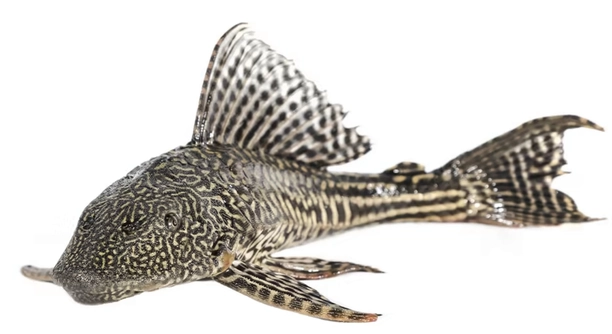
Plecos are popular fish for aquarium owners, known for their peaceful nature and algae-eating habits. However, many fish keepers notice that their plecos often seem fascinated by bubbles. This behavior may leave you wondering what’s going on.
Plecos are attracted to bubbles due to their natural instincts. The bubbles create surface agitation, which mimics the movements of food or other fish. This draws the pleco’s attention and encourages it to explore the area.
Understanding why your pleco seems obsessed with bubbles can offer insight into its behavior and help enhance your tank setup. Keep reading to learn more!
Why Are Plecos So Interested in Bubbles?
Plecos are naturally curious creatures, and their attraction to bubbles can be traced back to their behavior in the wild. In nature, plecos often inhabit rivers and streams with lots of water movement. The bubbles in your aquarium mimic the disturbances in the water they would encounter in their natural environment. The movement created by the bubbles can resemble the flow of water caused by rocks or other natural features. For plecos, this is an interesting and engaging feature that encourages exploration. It’s important to remember that plecos are bottom-dwellers, but they are also social and inquisitive animals that enjoy interacting with their surroundings.
These bubbles may also appear to be a form of entertainment or stimulation. Plecos are nocturnal, meaning they are often active at night when the tank is quieter. The bubbles can provide a visual and physical distraction, giving your pleco something to focus on when there’s less activity in the tank.
As they swim around and interact with the bubbles, they may also be trying to take in more oxygen or simply enjoy the movement. For plecos, the activity provides more than just an environmental change—it’s also an opportunity to engage with the environment in a way that feels natural to them.
Is the Bubble Attraction Healthy for Your Pleco?
The attraction to bubbles is harmless in itself, but it can indicate certain behaviors in your pleco. If your pleco is constantly near the bubbles, it might be looking for extra oxygen, which could mean the water’s oxygen levels are low.
Low oxygen levels in aquariums can happen when the tank is overcrowded or the filtration system isn’t running efficiently. Plecos, like all fish, need adequate oxygen to thrive, and bubbles can help increase the oxygen concentration in the water. They may also be drawn to bubbles simply because the motion and sound they create feel familiar.
In some cases, plecos may even attempt to “play” with the bubbles. They’ll swim through them or try to interact with the bubble stream. This behavior is completely normal and does not cause harm to the fish. However, it’s a good idea to monitor the water quality to make sure that the bubble attraction isn’t a sign of a deeper issue. If your pleco spends more time near the bubbles than usual, you might want to check the oxygen levels in your tank. Proper water circulation is crucial for their health.
How to Adjust the Tank Environment
To make your pleco feel comfortable, ensure your tank has sufficient oxygen. If the bubbles are a sign of low oxygen, adding an air pump or improving your filtration system will help. Plecos prefer stable conditions, so adjustments to the water quality will keep them happy.
A good filtration system can help maintain water movement, which your pleco will appreciate. Plecos need clean water with minimal pollutants. Over time, the buildup of waste or uneaten food can affect water quality, causing oxygen levels to drop. By improving filtration, you’ll provide your pleco with better circulation, ensuring the bubbles they enjoy don’t become a sign of a problem. Additionally, regular water changes help maintain the balance in your tank.
If you want to encourage more natural behavior, consider adding hiding spots or decorations that mimic the natural environment of plecos. They’ll feel more secure and engaged, which may reduce their bubble obsession over time. Hiding spots will allow your pleco to feel safe when it’s not interacting with the bubbles. A combination of clean, well-filtered water and the right environmental setup will help create a thriving habitat for your pleco.
Should You Provide More Bubbles?
Adding extra bubbles can create a more active environment for your pleco, but it’s not always necessary. Excessive bubbles might stress other fish or alter the water conditions too much.
Plecos enjoy bubbles for the movement they create, but too many bubbles can disrupt the water’s balance. Fish need stable water parameters to stay healthy, so adding an air stone or increasing bubble activity should be done in moderation. While plecos are drawn to bubbles, they also need places to rest and find food. If you introduce more bubbles, ensure there are areas of calm water for your pleco to relax and explore. It’s essential to keep a balance between oxygenation and peaceful spaces.
Consider your pleco’s personality as well. Some plecos are more active and might enjoy the constant movement, while others might find it overwhelming. Observe your fish and adjust the bubble levels to suit their needs, remembering that their behavior can change over time.
Pleco Tankmates and Bubbles
When considering pleco tankmates, keep in mind that other fish may react differently to bubbles. Some may feel stressed or disturbed by the movement, while plecos find it engaging. It’s important to choose tankmates that won’t be bothered by the bubble activity.
Plecos are peaceful and usually get along with other fish. However, if you have sensitive species in your tank, such as timid fish, the bubbles could cause stress. Pay attention to the behavior of all your fish. If you notice any signs of discomfort, such as hiding or erratic swimming, you may need to adjust the bubble levels.
Can Bubbles Cause Stress?
Bubbles themselves do not typically cause stress, but excessive water movement might. Some plecos may become more active with the bubbles, while others could become anxious if the tank feels too turbulent.
It’s important to observe your pleco’s behavior closely. If you notice it swimming erratically or constantly near the bubbles, it could be a sign of overstimulation. If the pleco’s stress is noticeable, consider reducing the bubble activity or creating a calm zone within the tank where it can rest and feel secure.
FAQ
Why does my pleco spend so much time near the bubbles?
Plecos are naturally curious and are drawn to movement in the water. The bubbles create a disturbance that mimics the water flow found in their natural habitat. It’s likely that the pleco finds the bubbles interesting or even soothing. In addition to that, they might be exploring or trying to catch small particles of food that move with the water current.
Is it normal for my pleco to chase the bubbles around?
Yes, it’s completely normal. Plecos are active fish and sometimes engage with their environment more playfully, especially when there is movement. Chasing bubbles can be a form of interaction with the water flow, and it can also simulate hunting behavior. Your pleco is not distressed but rather curious about its surroundings.
Can bubbles help oxygenate the tank for my pleco?
Bubbles do contribute to oxygenation, but they are not the main source. Bubbles help increase the surface agitation, which promotes gas exchange between the water and air, allowing oxygen to enter the tank. However, a good filtration system is the primary method for maintaining oxygen levels. While the bubbles assist in aeration, they should not be relied upon as the sole oxygen source.
Should I add more bubbles if my pleco seems obsessed with them?
Not necessarily. Adding more bubbles might be tempting, but it could disrupt the balance of your tank. If the pleco’s bubble attraction seems to indicate low oxygen levels, it’s more effective to improve the overall water circulation and oxygenation through better filtration or an air pump. Be cautious about over-bubbling your tank, as it can affect other fish, plants, and water stability.
How can I tell if the bubbles are bothering my pleco?
If your pleco appears stressed or is constantly swimming erratically, it could be a sign that the bubbles are causing anxiety. Look for signs of unusual behavior such as hiding excessively or rapid swimming in circles. If this happens, try reducing the bubble levels or adding areas of calm water for your pleco to rest in.
Is it okay to use a bubble wall for my pleco?
Bubble walls can be a good way to create an aesthetic effect while providing some oxygenation. However, it’s important to ensure that the current created by the bubbles does not overwhelm the pleco. If the current is too strong, it could stress the pleco or make it difficult for the fish to move comfortably. Always monitor your pleco’s behavior to see if it’s enjoying the new addition or if it’s being stressed by the water flow.
How can I make sure my pleco gets enough oxygen in the tank?
A properly functioning filter, along with adequate surface agitation, is key to maintaining good oxygen levels. Adding an air pump or airstone can also help, but they should be used in moderation. Be sure to keep your tank clean and avoid overfeeding, as waste buildup can deplete oxygen levels. Additionally, ensuring that your pleco’s tank is not overcrowded will help maintain better overall oxygenation. If you notice the pleco spending more time near the bubbles, consider checking the water’s oxygen content with a test kit.
Can bubbles cause any harm to my pleco?
Generally, bubbles themselves do not harm plecos. However, if the bubbles create excessive water movement, they could create a stressful environment, particularly for more sensitive species. It’s important to balance the amount of bubble activity with the tank’s overall environment, making sure the pleco can also find quiet areas to rest.
How do I know if my pleco is not getting enough oxygen?
Signs that your pleco may not be getting enough oxygen include excessive surface gulping, lethargy, or spending too much time near bubbles or the water surface. You may also notice that your pleco is not moving around the tank as much or is staying in one spot for extended periods. If you observe these signs, check the water’s oxygen levels and improve aeration as needed.
Should I turn off the bubbles at night?
Turning off the bubbles at night can help reduce noise and create a calmer environment for the pleco, but it’s not strictly necessary. If your pleco is active at night, it may continue interacting with the bubbles. However, if you’re concerned about noise or unnecessary water movement, turning off the air pump at night can provide a peaceful resting environment for all your tank’s inhabitants. Just be sure to monitor the tank’s oxygen levels, especially if you choose to reduce the bubble activity overnight.
Can too many bubbles cause problems for my other fish?
Yes, excessive bubbles or too much water movement can stress other fish, especially those that prefer calmer waters. Species like bettas, guppies, or other slow-moving fish may not thrive in a tank with strong currents created by bubbles. Always consider the needs of your entire tank community when adding or adjusting bubble levels. Some fish may prefer still waters and might find the constant movement upsetting.
Final Thoughts
Understanding why your pleco is drawn to bubbles can give you valuable insight into its behavior and overall well-being. Plecos are naturally curious and enjoy exploring their surroundings, and the bubbles in the tank mimic water movement they would experience in the wild. This attraction is usually harmless, and it’s simply a way for your pleco to interact with its environment. However, it’s essential to keep an eye on your pleco’s behavior to ensure that the bubbles aren’t a sign of an underlying issue, such as low oxygen levels or excessive water agitation.
While bubbles can be a fun and interesting addition to your tank, they shouldn’t be relied upon as the main source of oxygen for your pleco. Proper filtration is the most effective way to maintain healthy oxygen levels in the water. If your pleco seems to spend too much time near the bubbles, it could be a sign that the tank’s oxygen levels are not sufficient. In this case, improving your tank’s filtration system or adding an air pump can help create a more balanced environment for your pleco. It’s also important to observe your pleco’s behavior carefully. If it becomes stressed or agitated due to too much water movement, you may need to adjust the bubble levels or create areas of calm water where your pleco can relax.
Lastly, make sure to consider your entire aquarium when adding bubbles. While plecos may enjoy the bubbles, other tankmates might not feel the same. Some fish prefer calmer waters and could become stressed by excessive bubble activity or strong water currents. It’s important to strike a balance between creating an engaging environment for your pleco and ensuring that other fish feel comfortable. Keep an eye on the overall health of your tank, and don’t hesitate to make adjustments if needed to create a safe and comfortable space for all your fish. A well-maintained tank with the right balance of water movement, oxygenation, and hiding spots will help your pleco thrive.

Hello,
If you enjoy the content that we create, please consider saying a "Thank You!" by leaving a tip.
Every little bit helps us continue crafting quality advice that supports the health, happiness, and well-being of pets around the world, for pets of all shapes, sizes, and species.
We really appreciate the kindness and support that you show us!