
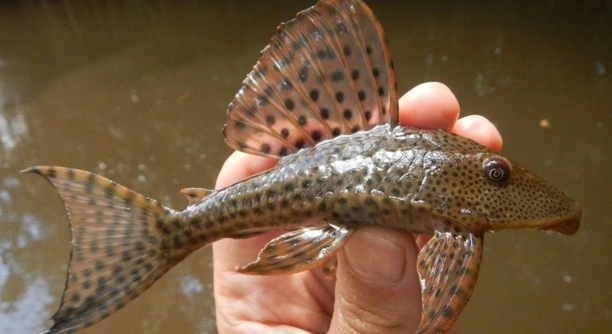
Plecos are popular aquarium fish known for their algae-eating habits, but sometimes they nibble on plants instead. If you’re wondering why your pleco is munching on your plants, you’re not alone. This behavior is common among plecos and can raise some concerns for aquarium owners.
Plecos nibble on plants for a variety of reasons. It could be due to a lack of sufficient algae or other food sources in their environment, or they might simply be exploring. Some species of plecos also eat plant matter as part of their natural diet.
Understanding why your pleco is nibbling on plants can help you address the situation and create a healthier aquarium environment. There are ways to prevent this behavior and ensure your plants and pleco both thrive.
Why Plecos Eat Plants
Plecos are known to nibble on plants in the aquarium, and this is often because they are not getting enough food. While plecos primarily eat algae in the wild, in captivity, they may need extra food sources. If algae are insufficient in your tank, they may turn to plants for nutrition. This behavior can be more noticeable if they are in a tank with few algae-rich surfaces or if they haven’t been fed properly. It is essential to provide your pleco with a balanced diet to prevent them from nibbling on plants and damaging them.
Some plecos, particularly those with plant-eating tendencies, may be more likely to snack on your plants. Providing them with algae wafers, vegetables, or sinking pellets can help them feel full and prevent them from resorting to plants. This way, you can keep your plants safe and your pleco well-fed.
To stop this behavior, ensure your pleco has an adequate food supply, such as high-quality algae wafers or vegetables like zucchini. Creating a healthy feeding schedule can also reduce the likelihood of plant nibbling.
Types of Plecos and Their Plant-Eating Habits
Not all plecos will nibble on plants in the same way. Some species, like the common pleco, are more likely to eat plants than others. If you have a species that typically consumes more plant matter, this behavior is less of a surprise. On the other hand, algae-based plecos may be less inclined to eat your plants, preferring to graze on tank surfaces.
Plecos are naturally herbivores and omnivores, depending on the species. Some may not even touch plants if given enough algae, while others might see plants as a supplement to their diet. It is important to understand the specific feeding habits of your pleco species. You can also try offering different food options to see what they prefer, making sure they get the nutrients they need without damaging your plants.
By knowing your pleco’s feeding preferences, you can better manage its diet and ensure your plants stay safe. If necessary, consider removing plants that are most at risk and replacing them with more robust ones that can tolerate occasional nibbling.
Feeding Your Pleco Properly
To prevent your pleco from nibbling on plants, it’s crucial to provide the right food. Plecos often eat algae, but they can also enjoy vegetables like zucchini, cucumbers, and leafy greens. Offering these foods regularly can keep your pleco full and reduce plant damage.
You can also use sinking pellets specifically designed for plecos. These provide a balanced diet and discourage plant-eating behavior. Offering these foods at regular intervals ensures that your pleco is well-fed and less likely to search for alternative food sources in your plants. Try experimenting with different food types to see what your pleco prefers most.
If you notice that your pleco still turns to the plants despite a well-rounded diet, you may need to adjust the quantity or frequency of feeding. Ensuring your pleco gets enough food will make it less likely to look for other sources, including your plants. A proper feeding routine also helps maintain a healthy pleco, reducing the chances of any unwanted behavior.
Maintaining Your Tank Environment
The environment in your aquarium plays a significant role in your pleco’s eating habits. If your tank lacks algae growth, your pleco may start nibbling on plants out of necessity. Ensure your tank has surfaces like rocks, decorations, or driftwood where algae can thrive, providing a natural food source.
Another factor to consider is the lighting in your tank. Proper lighting can encourage algae growth, giving your pleco something to graze on. However, too much light can lead to excessive algae growth, which can harm the balance of your tank. It’s all about finding the right equilibrium to encourage healthy algae growth without overwhelming your system.
You may also want to check the water parameters like pH and temperature. A stable environment can encourage algae growth and help your pleco feel more comfortable, reducing its need to nibble on plants. Regular tank maintenance, including cleaning and water changes, also supports a healthy habitat for your pleco.
Choosing the Right Plants for Your Tank
If you’re worried about your pleco nibbling on plants, consider the types of plants you have in your aquarium. Some plants are more resistant to plecos and their nibbling. Hardy plants like Java Fern, Anubias, or Hornwort tend to fare better.
In addition to choosing resilient plants, make sure they’re well-established in your tank. Well-rooted plants are less likely to be damaged by your pleco, as they will have a stronger base and a better chance of surviving any nibbling. For delicate plants, try providing extra protection with mesh or other safeguards.
Another tip is to provide your pleco with multiple food options so it doesn’t feel the need to nibble on plants. Regularly rotating the food you offer can help prevent your pleco from getting bored or seeking out plants. It also ensures it receives a balanced diet.
Plant Protection Methods
If you want to protect your plants but still keep your pleco happy, there are some strategies. One way is to use plant protectors, such as mesh enclosures, around particularly vulnerable plants. This will allow the plant to grow while keeping your pleco from nibbling.
Some aquarium owners also opt to grow fast-growing plants in the aquarium. These plants can help establish a strong aquatic environment and may give your pleco more to focus on. Over time, a well-balanced tank can reduce plant damage from feeding.
By focusing on plant care, ensuring a varied diet, and using protective measures, you can balance your pleco’s needs and preserve your aquarium plants.
Behavioral Considerations
Sometimes, plecos nibble on plants out of curiosity or boredom rather than hunger. If your pleco has a comfortable and stimulating environment, it may reduce its desire to nibble on plants.
Offer hiding spots and decorations that encourage exploration. This helps your pleco stay engaged and might decrease the likelihood of plant damage.
FAQ
Why is my pleco eating my plants?
Plecos are primarily algae eaters, but if they don’t have enough algae in the tank, they may turn to plants for food. This can also happen if your pleco is hungry or not getting enough nutrition from other food sources. Some plecos, especially species like the common pleco, are more likely to nibble on plants even if other food is available. It’s important to offer a varied diet and ensure there is enough algae or algae-based food to keep your pleco satisfied.
Can plecos live without plants?
Yes, plecos can live without plants. In the wild, they primarily feed on algae, but in captivity, they can survive on a diet of algae wafers, vegetables, and other specially formulated foods. However, plants can provide shelter and a natural environment for plecos, which can make them feel more comfortable. Plants also help with water quality, but they are not essential to the pleco’s diet.
How do I stop my pleco from eating my plants?
The best way to prevent your pleco from eating plants is to ensure it has enough food. Offer algae wafers, zucchini, and other vegetables to keep it satisfied. Additionally, try adding more algae-covered surfaces like rocks or driftwood to encourage your pleco to graze on them instead. Some plecos are more likely to nibble on plants when they are hungry or bored, so keeping a consistent feeding schedule can also help.
Are there any plants that plecos won’t eat?
Yes, some plants are more resistant to plecos. Java Fern, Anubias, and Hornwort are good examples of plants that tend to do well in tanks with plecos. These plants have tougher leaves that are harder for plecos to nibble on. Additionally, these plants grow slowly, so they’re less likely to be damaged quickly. However, no plant is entirely immune to plant-eating behavior, and it’s still important to provide a balanced diet for your pleco to prevent plant damage.
How much should I feed my pleco?
The amount you should feed your pleco depends on its size and species, but generally, you should aim to provide enough food for your pleco to consume in a few hours. For smaller plecos, feed them small portions of food, while larger plecos will require larger portions. It’s best to feed them a variety of food sources, such as algae wafers, vegetables like zucchini, and sinking pellets. Overfeeding can lead to poor water quality, so it’s important not to leave uneaten food in the tank.
Do plecos need algae to survive?
Algae is a natural part of a pleco’s diet in the wild, but in an aquarium, it’s not essential as long as you provide alternative food sources. Plecos can survive on algae wafers, sinking pellets, and vegetables, as long as these options meet their nutritional needs. However, algae plays a key role in a pleco’s behavior and tank health, as they will naturally graze on it when available.
Can my pleco eat too much plant matter?
Yes, while plecos are herbivores and can eat plant matter, consuming too much plant material without a balanced diet can cause health issues. If a pleco eats excessive amounts of plant matter, it may lead to digestive problems or nutritional imbalances. It’s important to feed a variety of foods, including algae wafers and other supplements, to ensure your pleco gets all the nutrients it needs without relying too heavily on plants.
What should I do if my pleco keeps eating my favorite plants?
If your pleco is constantly eating your favorite plants, it might be time to reconsider your plant choices. Hardy plants like Java Fern or Anubias are more likely to survive the nibbling. You can also consider using plant protectors or mesh enclosures around delicate plants to keep them safe. Another option is to feed your pleco more frequently with algae wafers and vegetables to keep it full and less interested in your plants.
How can I tell if my pleco is underfed?
If your pleco is nibbling on plants, it might be a sign that it is underfed or not getting the right nutrition. A healthy pleco should be grazing on algae or eating the food you provide, not seeking out plants for nutrition. Signs of underfeeding include lethargy, weight loss, or unusual behavior. Make sure your pleco has access to sufficient food, and consider adjusting its feeding schedule or providing more variety.
Do plecos need special lighting to thrive?
Plecos don’t need special lighting to thrive, but proper lighting can encourage algae growth, which is a food source for them. Algae grow best under low to moderate lighting conditions. However, too much light can lead to excessive algae growth, which might harm the overall balance of your tank. A 10-12 hour light cycle should be sufficient to encourage healthy algae growth without causing problems for your pleco or other tank inhabitants.
How can I improve my pleco’s environment to discourage plant nibbling?
To improve your pleco’s environment and reduce plant nibbling, ensure that there are enough algae-covered surfaces like rocks and driftwood in the tank. Also, maintain the water quality with regular water changes, and ensure that the tank has a stable pH and temperature. Adding a variety of hiding spots and decorations can also help keep your pleco engaged and reduce its desire to nibble on plants. Providing a well-maintained tank environment will make your pleco feel more comfortable and less likely to harm your plants.
Final Thoughts
Plecos are often seen as helpful aquarium residents, especially for their algae-eating abilities. However, when they start nibbling on your plants, it can be frustrating. Understanding the reasons behind this behavior can help you take the right steps to keep both your pleco and your plants healthy. In most cases, plecos nibble on plants because they’re not getting enough food or are looking for something else to chew on. By offering a well-balanced diet that includes algae wafers, sinking pellets, and vegetables, you can reduce the chances of your pleco turning to your plants for nourishment.
It’s also important to consider the type of plants you have in your tank. Some plants are more resistant to plecos, while others are more likely to be damaged. Hardy plants like Java Fern and Anubias are less likely to be eaten, but if your pleco is still nibbling, try providing additional algae surfaces or using plant protectors. With the right approach, you can keep your pleco happy without sacrificing the health of your plants. Ensuring that your pleco’s needs are met, both in terms of diet and environment, will go a long way in preventing unwanted behavior.
Finally, regular maintenance of your tank environment is key. Keeping the water quality in check, providing enough hiding spots, and maintaining a healthy level of algae will help create a more natural and comfortable space for your pleco. A well-fed pleco with a suitable tank environment is less likely to nibble on your plants. By adjusting your feeding routine, offering appropriate plants, and ensuring a balanced aquarium setup, you can help both your pleco and plants thrive together. With some care and attention, your aquarium can be a healthy, peaceful space for all its inhabitants.

Hello,
If you enjoy the content that we create, please consider saying a "Thank You!" by leaving a tip.
Every little bit helps us continue crafting quality advice that supports the health, happiness, and well-being of pets around the world, for pets of all shapes, sizes, and species.
We really appreciate the kindness and support that you show us!