
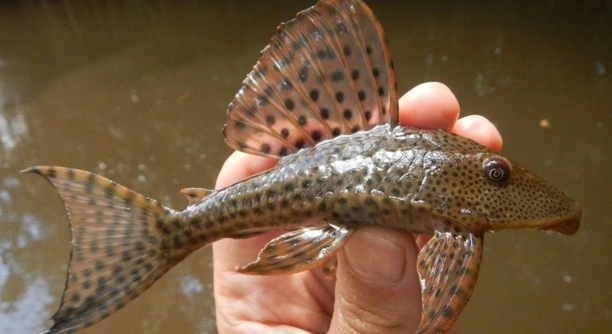
Is your pleco looking pale or less vibrant than usual, leaving you unsure about what’s causing the change in its appearance?
Plecos can lose color due to stress, poor water quality, inadequate diet, illness, or changes in their environment. Identifying the specific cause involves assessing tank conditions, diet, and overall behavior to ensure proper care and health.
Understanding what’s behind your pleco’s fading color can help you make simple changes that support its health and maintain its natural beauty.
Common Reasons for Pleco Color Loss
Plecos can lose color for several reasons, and stress is often at the top of the list. Changes in the tank environment, such as sudden shifts in temperature or pH levels, can cause noticeable fading. Poor water quality is another common issue. Ammonia spikes or high nitrate levels can impact a pleco’s overall health and appearance. Diet also plays a role. A lack of essential nutrients, especially those that support pigmentation, may result in a dull or pale look. Overcrowded tanks or aggressive tank mates can also lead to stress-related fading. Keeping the tank environment stable and feeding a balanced, varied diet helps maintain a pleco’s vibrant coloring. Regular water changes, gentle lighting, and proper filtration contribute to a healthier habitat. Paying close attention to behavioral changes along with physical appearance can help determine what’s affecting your pleco. Addressing these basics is the first step to improvement.
Even small disruptions can impact a pleco’s natural coloring. Stability in care plays a big role in their health.
Always offer a mix of plant-based foods and protein sources to meet nutritional needs. Blanched vegetables, algae wafers, and occasional protein treats help maintain both health and coloration. Avoid overfeeding and remove uneaten food promptly.
Environmental and Health Factors
Stress from environmental changes can lead to more than color loss. Poor lighting, limited hiding spots, or constant tank movement can all affect plecos. They feel more secure when they have stable conditions and proper cover.
Illness is another reason your pleco may fade in color. Internal parasites, skin infections, or poor gill health can all lead to a dull appearance. Watch for signs like reduced activity, hiding more than usual, or changes in appetite. Infections may require treatment with medications, but it’s important to correctly identify the issue before starting any treatment. Quarantining new tank mates before adding them to the main tank helps reduce risk. It’s also useful to test water quality regularly. pH imbalances, chlorine exposure, or poor oxygenation can be harmful. Ensuring a clean, well-maintained tank and providing consistent care can improve your pleco’s color and overall health. Small efforts in daily maintenance can make a difference over time.
Dietary Support for Healthy Coloration
Feeding plecos a poor diet can lead to fading. They need more than algae alone to stay healthy and keep their natural color.
A balanced diet should include algae wafers, fresh vegetables like zucchini or cucumber, and occasional protein sources such as bloodworms or shrimp. These foods provide vitamins and minerals that support healthy pigmentation and overall well-being. Spirulina, in particular, helps boost color vibrancy. Feed in the evening when plecos are more active, and avoid overfeeding. Uneaten food can impact water quality and add to stress. It’s also helpful to rotate food options regularly to ensure variety. Frozen foods should be thawed properly before feeding. If your pleco shares a tank, make sure it’s getting enough food and not being outcompeted. Providing food directly near its hiding spot can help.
Adding fresh greens a few times a week can support digestion and color. Blanch them lightly and remove leftovers quickly.
Tank Setup and Maintenance Tips
Lighting plays a part in both color and stress. Keep lighting moderate and avoid overly bright or inconsistent setups, as this can affect your pleco’s comfort and color.
Regular water changes are essential to keep the tank clean and stable. Poor water conditions can trigger stress and dull coloration. Use a reliable test kit to monitor ammonia, nitrite, nitrate, and pH levels. Filters should be cleaned regularly but never completely replaced at once to preserve beneficial bacteria. Include plenty of hiding spots using driftwood or caves, as plecos feel more secure when they have shelter. Choose smooth decorations to prevent injury. Stable temperature and pH also reduce stress and help your pleco thrive. Avoid sudden changes to water parameters. Clean the substrate to remove waste buildup, and avoid overcrowding the tank. A calm, well-maintained environment supports health and helps your pleco keep its natural coloring without unnecessary stress.
Signs That Require Immediate Attention
If your pleco is losing color quickly, stops eating, or becomes unusually inactive, it may be a sign of illness or stress. Look for clamped fins, labored breathing, or changes in swimming behavior.
White patches, visible wounds, or rapid weight loss should not be ignored. These may indicate infections, parasites, or poor water conditions. Treating the issue early can prevent further complications and help your pleco recover more easily.
Monitoring and Observing Behavior
Observe your pleco during feeding times and throughout the day. A healthy pleco will explore its environment, graze on surfaces, and respond to food. Watch for signs like hiding all day or avoiding food—these may suggest stress or illness. Behavior changes often appear before physical symptoms, making them important to catch early. Keep notes on what’s normal for your pleco and compare over time. This helps you spot problems sooner and take action. If behavior shifts without environmental changes, it may be time to assess water quality or health more closely. Daily attention can help prevent issues before they worsen.
When to Consult a Professional
If color loss continues despite good care and water conditions, contact an aquatic vet. A professional can run tests and guide treatment.
FAQ
Can stress really cause a pleco to lose color?
Yes, stress is one of the most common reasons a pleco may lose its color. Stress can come from many sources, such as poor water conditions, sudden changes in temperature, or being housed with aggressive tank mates. Lack of hiding spots and overly bright lighting can also contribute to stress. When a pleco feels unsafe or uncomfortable, its body reacts by reducing pigmentation as part of a stress response. Ensuring a calm, stable environment with good water quality and proper tank setup can reduce stress and help restore healthy coloration over time.
What water parameters should I check first if my pleco starts fading?
Start by testing ammonia, nitrite, and nitrate levels. Even small traces of ammonia or nitrite can harm your pleco. Nitrate should stay below 40 ppm, though lower is better. Also check pH levels, which should remain stable, typically between 6.5 and 7.5 depending on the species. Temperature should stay steady within the range of 72°F to 82°F. Sudden fluctuations in these values can stress your pleco and cause color changes. Testing weekly and after any tank changes helps catch issues early. A reliable test kit makes this process easier and more accurate.
How often should I feed my pleco to support color and health?
Feed your pleco once a day, ideally in the evening or at night when it is more active. Offer algae wafers or sinking pellets, along with blanched vegetables like zucchini, spinach, or cucumber a few times a week. You can also offer occasional protein-rich options such as bloodworms or brine shrimp. Rotate food choices to provide a variety of nutrients that support both health and color. Avoid overfeeding, as leftover food can rot and harm water quality. Remove any uneaten food after a few hours to keep the tank clean and stable.
Do all plecos require the same diet to stay colorful?
No, different types of plecos have different dietary needs. For example, bristlenose plecos are mostly herbivores and do well on a plant-heavy diet, while others like the clown pleco or royal pleco may need more wood in their diet to support digestion. Some plecos also benefit from occasional animal-based protein. Knowing your pleco’s specific species helps you tailor its diet better. Even though algae wafers are a staple, they aren’t enough on their own. Including vegetables, wood (if required), and occasional protein can help maintain vibrant color and proper nutrition.
What should I do if my pleco is hiding all day and not eating?
First, check the water quality to rule out issues with ammonia, nitrites, or temperature. Then assess tank conditions—look for signs of aggression from tank mates or lack of hiding spaces. If everything seems fine, try offering food near the pleco’s hiding spot in the evening. Use familiar foods and watch from a distance to see if it eats. If the behavior continues, it may be a sign of illness. Consider isolating the pleco in a hospital tank for observation and possibly consult an aquatic vet if there is no improvement within a few days.
Can lighting affect pleco color?
Yes, lighting affects both color and stress levels. Plecos prefer low to moderate lighting since they are naturally nocturnal and spend much of their time hiding. Bright, constant light can cause stress and lead to duller colors. Choose soft lighting and provide plenty of shade using decorations or live plants. Make sure there are dark spots and caves where the pleco can retreat during the day. A consistent light cycle—about 8 to 10 hours of light per day—also helps maintain natural behavior and reduces stress, which supports better coloration.
Is color loss always a sign of a problem?
Not always. Some plecos naturally become lighter or darker depending on mood, lighting, and environment. Juveniles also tend to change color as they mature. However, if the color change is sudden, accompanied by other signs like lethargy, lack of appetite, or weight loss, it may signal a health or environmental issue. Gradual fading over time could mean the diet lacks variety or essential nutrients. Observing your pleco’s normal patterns helps you tell when something might be wrong. If unsure, checking tank conditions and reviewing care habits is always a good first step.
Final Thoughts
Color changes in plecos are not uncommon, but they often signal something worth looking into. A healthy pleco should have steady color, appropriate for its species and environment. Fading, dullness, or sudden loss of pigment can be a sign that something is off, whether it’s stress, poor water quality, lack of nutrition, or illness. Understanding what causes these changes helps you respond early, so your pleco stays healthy and comfortable in its tank. Even minor shifts in behavior or appearance should be taken seriously, especially when they come with other symptoms like hiding more than usual or loss of appetite.
Keeping up with proper care habits will help prevent most of the problems that lead to color loss. This includes regular water testing, keeping the tank clean, feeding a balanced and varied diet, and offering enough space and hiding spots. Each of these plays a role in supporting your pleco’s overall well-being. Many color-related problems can be improved simply by correcting the environment and giving the pleco time to adjust. It’s also helpful to learn about the specific needs of your pleco species. Not all plecos are the same, and what works for one may not work for another. A few adjustments can go a long way in helping them stay active and vibrant.
If color loss continues despite proper care, it might be time to look into other causes like illness or parasites. In those cases, isolating the fish and monitoring closely can help you act before things get worse. Even experienced fish keepers sometimes run into challenges, and that’s okay. What matters most is paying attention, staying consistent with care, and being ready to make small changes when needed. Plecos are hardy fish, and with the right support, they often bounce back well. Color is just one part of their overall health, but it can be a helpful sign when you’re trying to figure out how they’re doing. Being observant and proactive will always give your pleco the best chance to thrive.

Hello,
If you enjoy the content that we create, please consider saying a "Thank You!" by leaving a tip.
Every little bit helps us continue crafting quality advice that supports the health, happiness, and well-being of pets around the world, for pets of all shapes, sizes, and species.
We really appreciate the kindness and support that you show us!