
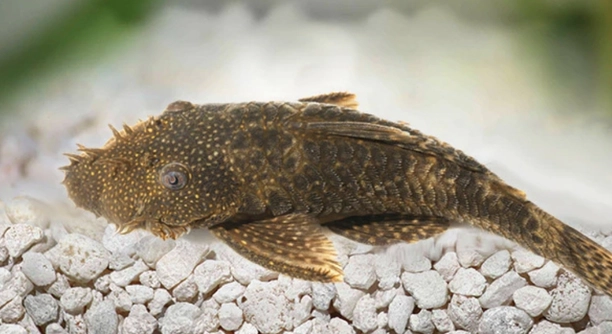
Some plecos may seem uninterested in their food, which can be puzzling for aquarium owners. Understanding the reasons behind this behavior is important to ensure your fish remains healthy and well-fed in its aquatic environment.
The main reasons your pleco may ignore its food are stress, water quality issues, or dietary preferences. Environmental factors, such as poor water conditions or inappropriate tank mates, can also affect their eating habits and overall well-being.
Understanding these factors will help you address the situation and improve your pleco’s eating habits for better health and vitality.
Common Reasons for a Pleco’s Disinterest in Food
A pleco’s refusal to eat may stem from various factors, including stress, water conditions, and the type of food offered. If a pleco feels stressed, it may avoid food as a response to discomfort or anxiety. Tank conditions like poor water quality or fluctuating temperatures can cause a pleco to lose its appetite. Plecos are bottom feeders, but they can also be picky about what they eat, preferring certain types of food over others.
In some cases, tank mates can cause stress, especially if they compete for space or food. It’s important to maintain a peaceful environment with compatible fish species. Changes in the tank setup, such as new decorations or rearranged plants, may also disturb your pleco’s routine and make it hesitant to eat.
Maintaining stable water conditions and providing a variety of food types are key to encouraging eating. If your pleco is still not eating, monitoring its behavior closely will help identify whether the issue is environmental or related to its diet. A healthy, stress-free tank is crucial for your pleco’s well-being.
Stress and How It Affects Eating Habits
Stress is one of the main reasons a pleco might stop eating. Changes in the tank environment, such as new tank mates, loud noises, or sudden movements, can contribute to stress.
A stressed pleco may hide more often and avoid food. Monitoring your pleco’s behavior can help pinpoint stress triggers. Keeping the environment calm and stable is essential for a healthy feeding routine. Reducing stress will likely improve eating habits.
Poor Water Quality and Its Impact on Appetite
Water quality plays a major role in your pleco’s health and appetite. A dirty or poorly maintained tank can stress out even the hardiest of fish. This stress can make your pleco lose interest in food. Regular water changes and filtration are essential to maintaining optimal tank conditions.
If your pleco’s tank has high levels of ammonia, nitrites, or nitrates, it could lead to health issues that result in poor feeding habits. Poor water quality can also cause physical discomfort, such as skin irritation or gill damage, leading to a lack of appetite. Testing water regularly is important to maintain balanced levels of these harmful chemicals.
To avoid poor water quality, invest in a reliable filtration system and conduct regular water changes. Keep the water temperature and pH levels consistent. If your pleco refuses food, check the water conditions first. A small water issue can cause big problems in a pleco’s feeding habits.
Diet and Food Preferences
Plecos are not always easy to please when it comes to food. They have particular preferences, and if their diet lacks variety, they may refuse to eat. A varied diet can help stimulate their appetite, making them more likely to engage with their food.
Plecos generally eat algae, vegetables, and sinking pellets. However, they might grow bored of the same food over time. Offering foods like zucchini, cucumber, or blanched spinach can help diversify their diet. In some cases, plecos may even enjoy protein-rich foods like bloodworms or shrimp. It’s important to experiment and observe which foods they respond to best.
It’s crucial to avoid overfeeding. While plecos can be eager eaters, they should not be fed excessively. Offering small portions throughout the week and observing their response will help you determine their food preferences. A varied, balanced diet will improve their overall health and encourage a better eating routine.
Stress from Tank Mates
Tank mates can significantly affect your pleco’s appetite. If your pleco feels threatened or stressed by other fish, it might avoid food. Overcrowded tanks or aggressive tank mates are common stressors.
Plecos are peaceful, bottom-dwelling fish. If they’re constantly being harassed by other fish, they may stop eating. It’s best to pair plecos with non-aggressive species that won’t disturb them.
Providing plenty of hiding spots is important. Plecos feel more secure when they have places to retreat to. Reducing stress from aggressive tank mates can encourage a pleco to eat more regularly and feel safe in its environment.
Water Temperature Fluctuations
Fluctuations in water temperature can impact your pleco’s feeding behavior. If the water is too cold or too warm, your pleco might lose interest in food. It’s essential to maintain a stable temperature for your pleco to thrive.
Most plecos prefer a water temperature between 74-80°F (23-27°C). Sudden changes in temperature, such as drafts or an unregulated heater, can lead to stress, making them less likely to eat. Consistency is key. A heater with a thermostat is the best way to ensure that water remains at the right temperature.
Tank Size and Space
A cramped tank can stress your pleco, leading to a lack of appetite. Plecos need space to swim and graze on algae. If they’re confined in a small space, they may not feel comfortable eating. Ensure your tank provides enough room for your pleco to move freely.
FAQ
Why is my pleco suddenly not eating?
Several factors can lead to a sudden loss of appetite in your pleco. Poor water quality is often a significant cause. Ammonia spikes or improper pH can stress your pleco, causing it to stop eating. Also, changes in the environment, such as new tank mates or a tank rearrangement, can unsettle the pleco. Another reason could be diet-related; if your pleco has grown tired of its food, it might refuse to eat. Stress, illness, or an unsuitable water temperature can also contribute to this issue.
How often should I feed my pleco?
Plecos typically require feeding once a day or every other day. Overfeeding can lead to water quality issues, as uneaten food can decay and pollute the tank. A consistent feeding schedule of small portions is better than large amounts of food at once. Plecos are scavengers, and they’ll often find additional food in the form of algae or leftover pellets, reducing the need for excessive feeding.
What type of food should I offer my pleco?
Plecos are primarily herbivores but will also eat protein-based foods occasionally. They thrive on algae wafers, blanched vegetables like zucchini, cucumber, and spinach. You can also offer sinking pellets, frozen or live foods such as bloodworms, brine shrimp, and shrimp pellets. Variety is key to keeping your pleco interested in eating.
Can plecos eat too much food?
Yes, plecos can eat too much. Overfeeding can lead to obesity, poor water quality, and an increased risk of health issues like constipation or bloating. It’s essential to observe your pleco’s eating habits. If there is uneaten food after feeding, reduce the portion size. A pleco should consume only what it can eat in 2-3 hours.
Is it normal for my pleco to fast sometimes?
It’s normal for plecos to fast from time to time. They may go through phases where they are not interested in food, particularly when they are adjusting to a new tank, recovering from stress, or if the water conditions are not ideal. If the fasting period is short and the pleco appears healthy otherwise, there’s typically no need for concern.
Why is my pleco eating the decorations in my tank?
Plecos are known to munch on tank decorations, particularly if they are made from natural materials like wood. This is because plecos are algae eaters, and some decorations may have algae growth on them. It’s not harmful as long as your pleco is still getting proper nutrition from other food sources. If the decorations are being consumed excessively, consider adding more algae-based food or vegetables to its diet.
How do I know if my pleco is sick?
Common signs that your pleco may be sick include lethargy, loss of appetite, abnormal swimming behavior, discoloration, or unusual growths on the body. If your pleco is constantly hiding or not interacting with the tank like it usually does, it could indicate a health problem. In cases of sickness, it’s important to check water quality first and consider quarantining your pleco to prevent any spread of disease to other fish.
Can plecos survive in cold water?
Plecos are tropical fish and require warm water to thrive. They should be kept in water temperatures ranging between 74°F and 80°F (23°C to 27°C). If the water temperature is too cold, your pleco may become lethargic, stressed, and stop eating. A reliable aquarium heater is necessary to maintain stable water conditions.
Why is my pleco hiding all the time?
Plecos are nocturnal and may hide during the day to rest. However, if your pleco is constantly hiding, it could be a sign of stress, poor water quality, or illness. Plecos need hiding spots like caves or dense plants, but they shouldn’t be constantly out of sight. Check water conditions and ensure the tank setup is not overcrowded or causing anxiety.
Can I feed my pleco only algae wafers?
While algae wafers are a great food source for plecos, they should not be their only food. A varied diet is important to ensure your pleco gets all the necessary nutrients. Incorporate blanched vegetables, sinking pellets, and occasional protein sources to keep your pleco healthy and satisfied.
How do I prevent my pleco from becoming overweight?
To prevent your pleco from becoming overweight, avoid overfeeding and offer food in small, controlled portions. Plecos naturally graze, so they may overeat if food is always available. Make sure to remove any uneaten food from the tank promptly to prevent it from decaying. Providing a healthy, balanced diet is key.
Is my pleco still eating enough if it’s eating at night?
Since plecos are nocturnal, they often prefer to feed at night when the tank is quieter and darker. If your pleco is eating at night, it’s a sign that it’s still feeding and may just prefer the peace and quiet of nighttime. Ensure that you are offering food in a way that accommodates their nocturnal habits.
Final Thoughts
Understanding why your pleco may be ignoring its food is essential for ensuring its health and well-being. There are several potential reasons for this behavior, including poor water quality, stress from tank mates, an unbalanced diet, or even environmental factors like temperature fluctuations. It’s important to observe your pleco closely and assess the conditions in its tank. Regular water tests and maintenance are crucial for creating a healthy environment that supports your pleco’s appetite and overall health.
Equally important is providing a variety of foods to cater to your pleco’s preferences. A diet that includes vegetables, algae wafers, and occasional protein-rich foods can help encourage feeding. Plecos are naturally grazers, and they need a varied diet to stay engaged with their food. Overfeeding can also be a problem, so it’s vital to offer controlled portions and avoid leaving uneaten food in the tank. This not only helps your pleco maintain a healthy weight but also ensures that the tank remains clean and the water quality stays high.
If your pleco continues to avoid food despite addressing water quality, diet, and stress factors, it may be worth consulting with a professional. A veterinarian or aquatic specialist can offer advice if there are underlying health issues. Keeping your pleco in a well-maintained, stress-free environment with a balanced diet is key to encouraging regular feeding habits. With a bit of observation and care, your pleco will most likely resume healthy eating patterns, ensuring its long-term health and happiness.

Hello,
If you enjoy the content that we create, please consider saying a "Thank You!" by leaving a tip.
Every little bit helps us continue crafting quality advice that supports the health, happiness, and well-being of pets around the world, for pets of all shapes, sizes, and species.
We really appreciate the kindness and support that you show us!