
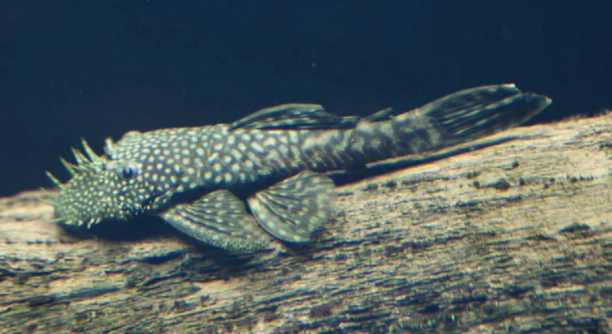
Is your pleco swimming past the glass and ignoring the algae that’s starting to build up in plain sight?
The most common reason your pleco is ignoring algae on the glass is a change in diet or environment. When other food sources are readily available or the tank conditions shift, plecos may lose interest in grazing.
Understanding how plecos interact with their surroundings will help you adjust their care and create a balanced tank environment they thrive in.
Common Reasons Your Pleco Ignores Algae
Plecos are known for their algae-eating habits, but they don’t always stick to this behavior. One common reason is overfeeding. When plecos have access to protein-rich foods or algae wafers, they may stop grazing on natural algae. Another reason could be the type of algae. Some plecos prefer soft green algae and may ignore harder types like spot algae or diatoms. Water quality also plays a role—poor conditions can affect a pleco’s appetite and behavior. In some cases, stress from tank mates or sudden changes in environment can lead to disinterest in algae. It’s important to watch how your pleco behaves over time and note any changes in the tank that could affect its eating patterns. Always aim for a stable tank with the right balance of food, lighting, and shelter to encourage healthy habits. A pleco that feels secure is more likely to graze as expected.
Feeding variety can make plecos ignore algae. They often prefer easier food sources over glass grazing.
Keeping a pleco engaged in algae eating starts with proper tank setup. Ensure there is enough surface algae and limit feeding to avoid spoiling them. Also, use good lighting to promote the right kind of algae growth. Sometimes, switching foods or spacing out feedings can encourage a pleco to return to grazing on glass surfaces. Soft algae types will naturally attract more attention, so maintain a healthy tank without relying on chemicals that may reduce algae entirely. Some plecos are also more active at night, so observe their habits during low-light periods. If the tank is too clean or the algae is too tough, your pleco may simply wait for a more appealing snack.
Is This Normal Behavior?
Yes, it is normal. Many plecos will ignore algae if easier food is available or if the algae type isn’t appealing.
Understanding pleco behavior helps ease concerns. Not all plecos behave the same, even within the same species. Some are more active, while others prefer hiding. Their natural behavior includes grazing when they feel safe and the conditions are right. If your pleco has stopped eating algae, it doesn’t mean something is wrong. It may be adjusting to a change, or it could just prefer certain foods. Try to keep feeding balanced and limit unnecessary snacks. It also helps to keep your tank’s algae healthy—not too much, not too little. Water quality matters more than people often realize. Regular maintenance and avoiding sudden shifts in water temperature or pH can go a long way. If your pleco remains active, hides occasionally, and shows signs of eating something, it’s probably just fine.
How Tank Conditions Affect Algae Eating
Poor lighting or inconsistent water changes can reduce algae growth or cause algae types that plecos avoid. If there’s not enough of the right algae or the glass stays too clean, your pleco may look elsewhere for food.
Algae doesn’t grow well without the right balance of light and nutrients. If your lighting is too weak or only on for short periods, algae may not develop on the glass in a way that plecos like. Strong filtration can also slow algae buildup. On the other hand, if water conditions are unstable—like fluctuating temperatures or irregular pH—it can cause stress in plecos. When stressed, they tend to hide more and eat less. Your cleaning habits matter too. Overcleaning the tank or frequently scraping the glass may remove algae before the pleco gets to it. Keep some algae in place and avoid drastic changes to the tank’s environment.
Tank mates can also affect how your pleco behaves. Aggressive fish or even other bottom feeders may stress or outcompete your pleco. If it’s constantly being chased or crowded out at feeding time, it may not feel comfortable grazing along open areas like the glass. Providing hiding spots and a calm environment is important.
Feeding Habits That Can Change Behavior
Plecos often go for easy meals first. If they’re getting plenty of wafers, veggies, or leftover fish food, they may skip the algae.
Feeding too often can spoil your pleco. Try limiting food to once a day or every other day to spark more interest in algae.
Age and Species Differences
Young plecos are usually more active algae eaters than older ones. As they age, their diet preferences can shift, and they might slow down. Some pleco species are also less focused on algae than others. For example, common plecos eat more algae, while some fancy varieties may prefer other foods or wood. Always check what species you have. Even within the same tank, two plecos may act very differently. Choosing a pleco based on its algae-eating habits can help keep your tank cleaner, especially if algae control is a main reason you got one in the first place.
When to Be Concerned
If your pleco stops eating completely or hides all day without moving much, it may be time to check for illness or poor water quality.
FAQ
Why does my pleco clean the decorations but not the glass?
Your pleco might prefer smoother or softer surfaces. Decorations often grow softer algae types that are easier to eat. Glass sometimes has tougher algae, or not enough algae at all. Plecos also like to stay hidden or close to cover. They may feel safer feeding on decorations that are lower in the tank or offer shelter nearby. Try observing your pleco during different times of day, especially in dim light. Some plecos feed when the tank is quieter. Adding driftwood or plants near the glass might help them feel more secure grazing there too.
Can I encourage my pleco to eat algae on the glass again?
Yes, but it takes a few adjustments. First, reduce extra feedings, especially wafers or sinking pellets. Cut back slightly to make algae a more appealing option. Next, make sure the lighting is strong enough for soft green algae to grow on the glass. Avoid scraping the glass during routine cleaning for a week or two. Give your pleco a chance to find it naturally. Keep tank conditions stable and calm—no sudden water changes or aggressive tank mates. If the algae is too hard or spotty, it might not interest them, so check what type is forming.
Is it normal for plecos to stop eating algae as they grow?
Yes, especially for larger or older plecos. Many plecos shift their diet as they age. They may start preferring protein-rich foods or plant matter over algae. Also, a full-grown pleco might clean less simply because its nutritional needs change. This doesn’t always mean something is wrong. As long as your pleco is still active and eating something, this shift is likely part of their natural behavior. Some species, like bristlenose plecos, tend to eat algae more consistently, while others reduce algae grazing over time. Always check your pleco’s specific needs as it grows.
What kind of algae do plecos like the most?
Plecos tend to enjoy soft green algae. It’s easy for them to graze on and commonly forms on tank glass. They usually avoid black beard algae and staghorn algae, which are tougher and harder to eat. Diatoms (brown algae) might be eaten by some pleco species, especially younger ones, but it depends. If your tank mostly has hard or stringy algae types, your pleco may not show much interest. Adjusting the lighting and nutrient levels can help promote the types of algae they naturally prefer.
How do I know if my pleco is still healthy?
A healthy pleco will still move around the tank, hide during the day, and come out during quiet times. You may not see it eating, but if it has a slightly round belly and shows interest in food or algae at times, it’s likely doing fine. Also watch for firm, dark waste—this usually means it’s digesting well. Signs of trouble include rapid breathing, faded color, or lying motionless for long periods. If you notice these things along with a lack of appetite, test your water and check for any other symptoms of illness or stress.
Do plecos eat algae off plastic plants?
Sometimes, but not always. Plastic plants don’t hold algae as well as natural surfaces, so your pleco might ignore them. Also, they may be too smooth or oddly shaped for your pleco to comfortably graze on. If you want to encourage more natural feeding, try using driftwood or smooth rocks instead. These tend to collect soft algae more easily. Live plants, while not a direct food source, can help with algae balance and improve water quality, making the tank healthier overall.
Why is my pleco only active at night?
Plecos are nocturnal by nature. They feel safer in low-light conditions and tend to explore more when the tank is calm. Bright lights, loud noises, or aggressive tank mates can make them shy during the day. This is normal. If you want to observe their eating habits, try dimming the lights or watching in the early morning or evening. Feeding them after lights out might give you a better sense of their behavior too. Their nighttime activity is usually a sign they feel comfortable and are sticking to their natural rhythm.
Final Thoughts
Taking care of a pleco means paying attention to more than just whether it eats algae off the glass. While many people expect plecos to act like little tank cleaners, the truth is that their behavior can change depending on their environment, age, and diet. If your pleco isn’t eating algae on the glass, it doesn’t always mean there’s a serious problem. Sometimes it just prefers other food or feels more comfortable feeding in a different spot. Things like tank mates, lighting, and water quality can all make a difference in how active your pleco is and what it chooses to eat.
It’s also important to remember that not all plecos are the same. Some types will always prefer algae, while others might not rely on it much at all. As they grow, many plecos start shifting their diet and may slow down on glass cleaning. Feeding habits play a big part. If you’re offering wafers, veggies, or leftover fish food regularly, your pleco might be full and simply not interested in grazing. Try to watch their behavior over a few days, especially at night, to better understand their routine. Even if they’re not cleaning the glass, they could still be healthy and active in other ways.
To support your pleco’s natural behavior, it helps to keep the tank calm, clean, and balanced. Give them plenty of hiding spots and reduce any stress from aggressive fish or sudden changes in water conditions. Try not to over-clean the glass, especially if you’re trying to encourage more algae grazing. A small layer of soft green algae is usually more appealing than tough or patchy growth. Keep the lighting on a consistent schedule, avoid overfeeding, and check your pleco’s species needs if you’re unsure what’s normal. By creating a stable and natural environment, your pleco will be more likely to eat algae when it wants to, even if it doesn’t do it every day.

Hello,
If you enjoy the content that we create, please consider saying a "Thank You!" by leaving a tip.
Every little bit helps us continue crafting quality advice that supports the health, happiness, and well-being of pets around the world, for pets of all shapes, sizes, and species.
We really appreciate the kindness and support that you show us!